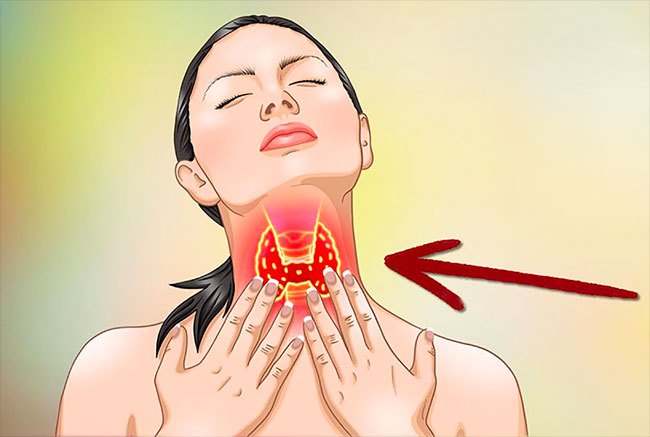
5 Vitamins for Hypothyroidism and Hashimoto’s Disease
Hypothyroidism is a condition in which the thyroid gland does not produce enough thyroid hormones. One of the most common causes is Hashimoto’s disease, an autoimmune condition in which the immune system attacks the thyroid.
While thyroid hormone replacement medication (such as levothyroxine) remains the primary treatment, certain vitamins and minerals can support thyroid function, immune balance, and overall well-being. Below are five key nutrients often associated with thyroid health.
1. Vitamin D
Vitamin D plays an important role in immune system regulation. Research shows that people with autoimmune thyroid disorders frequently have low vitamin D levels.
How it helps:
- Supports immune balance
- May help reduce thyroid antibody levels
- Improves mood and reduces fatigue
Sources: Sunlight exposure, fatty fish (salmon, mackerel), fortified dairy products, and supplements if levels are low.
2. Selenium
Selenium is essential for proper thyroid hormone metabolism. It helps convert T4 (inactive thyroid hormone) into T3 (active thyroid hormone).
How it helps:
- Supports enzymes involved in thyroid hormone activation
- May reduce thyroid peroxidase (TPO) antibodies
- Protects the thyroid from oxidative stress
Sources: Brazil nuts (1–2 daily typically provide enough), tuna, eggs, and sunflower seeds.
Note: Excess selenium can be harmful, so supplementation should be carefully monitored.
3. Vitamin B12
Vitamin B12 deficiency is common in people with Hashimoto’s disease, sometimes due to associated autoimmune conditions affecting absorption.
How it helps:
- Supports energy production
- Reduces fatigue and brain fog
- Maintains healthy nerve function
Sources: Meat, fish, dairy products, fortified cereals, and supplements if needed—especially for vegetarians or those with absorption issues.
4. Iron
Iron is necessary for the production of thyroid hormones. Iron deficiency, particularly in women, can worsen hypothyroid symptoms.
How it helps:
- Supports thyroid hormone synthesis
- Prevents anemia-related fatigue
- Improves overall energy levels
Sources: Red meat, poultry, lentils, spinach, pumpkin seeds.
Iron supplements should only be taken after testing, as excess iron can be harmful.
5. Iodine (Use With Caution)
Iodine is a critical component of thyroid hormones. However, balance is essential.
Important consideration:
In Hashimoto’s disease, excessive iodine intake may worsen autoimmune activity. Supplementation should only be considered if a deficiency is confirmed by a healthcare provider.
Sources: Iodized salt, dairy products, seafood, and seaweed.
Important Reminder
Vitamins and minerals can support thyroid health, but they do not replace prescribed thyroid medication. If you have hypothyroidism or Hashimoto’s disease:
- Test nutrient levels before supplementing
- Avoid high-dose supplements without medical supervision
- Work closely with your healthcare provider
A balanced diet, proper medication management, regular blood testing, and targeted supplementation (when needed) are the safest and most effective approach to managing thyroid health.
