Keeping food fresh longer saves money, reduces waste, and keeps meals tasty. Here are 7 practical, science-backed tricks that really work:
1. 🥦 Store produce properly
- Leafy greens: Wrap in a damp paper towel, then store in a perforated plastic bag in the fridge
- Fruits like apples, pears, bananas: Keep separate from vegetables—they release ethylene gas, which speeds ripening
- Berries: Wash only before eating, not before storing
2. 🥩 Keep meat and fish cold
- Store raw meat/fish in the coldest part of the fridge (usually the bottom shelf)
- Keep it in its original packaging or airtight containers
- Freeze anything you won’t use within 1–2 days
3. 🥚 Extend egg life
- Keep eggs in their carton, not in the fridge door
- Store at a consistent cool temperature
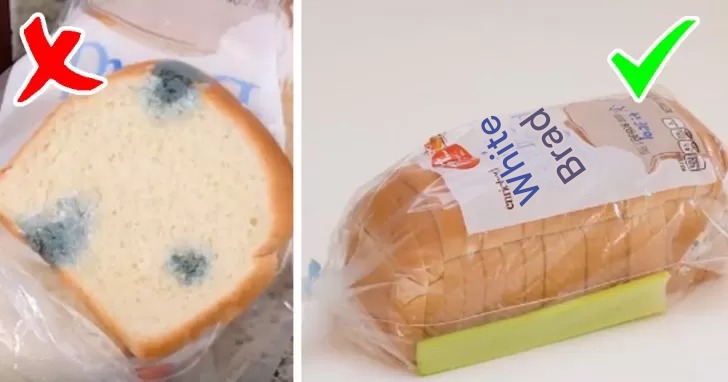
4. 🥖 Protect bread
- Keep bread in a cool, dry place, not the fridge (refrigeration dries it)
- Freeze slices you won’t eat within 2–3 days
5. 🍯 Use airtight containers
- Store leftovers and dry goods (flour, rice, cereal) in airtight containers
- Keeps out moisture and pests
6. 🧊 Use ice packs and proper cooling for perishables
- If transporting groceries, use insulated bags or ice packs to prevent spoilage
- Don’t leave perishable items out for more than 2 hours
7. ❄️ Freeze strategically
- Many foods last longer in the freezer: bread, meat, cooked rice, vegetables
- Blanch vegetables before freezing to preserve nutrients and color
- Label with date to avoid keeping forgotten items
Bonus Tip
- Check your fridge temperature: Keep it around 37–40°F (3–4°C), freezer at 0°F (-18°C)
Following these tips can double the lifespan of many foods and save a lot of money while reducing waste.
I can also make a quick fridge cheat sheet showing exactly where and how to store common foods for maximum freshness if you want.
