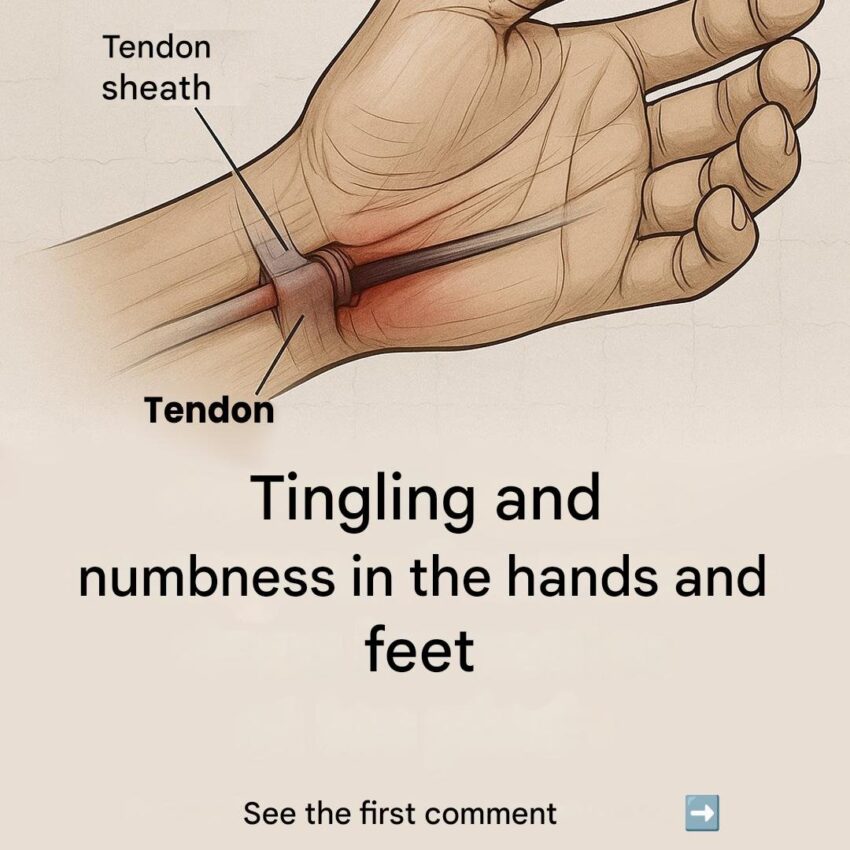
Here’s a clear and safe explanation about why your hands might “fall asleep” and what it could mean:
Why Your Hands Fall Asleep
When your hands feel tingly, numb, or like pins and needles, it usually means pressure is temporarily affecting nerves or blood flow.
Common Causes
- Sleeping or sitting awkwardly
- Leaning on your arm or hand compresses nerves or blood vessels.
- Usually goes away quickly when you move.
- Repetitive movements
- Typing, gaming, or using your phone for long periods can irritate nerves (like carpal tunnel syndrome).
- Nerve compression or pinched nerves
- Neck or shoulder issues can cause tingling in hands.
- Circulation problems
- Cold temperatures or sitting in one position can reduce blood flow.
- Medical conditions (less common, but important to note)
- Diabetes, vitamin deficiencies (like B12), or nerve disorders.
What to Do
- Shake or move your hands to restore normal feeling.
- Stretch your wrists, fingers, and shoulders regularly.
- Avoid prolonged pressure on your arms while sitting or sleeping.
- Maintain good posture when using phones, computers, or gaming.
When to See a Doctor
Seek medical advice if:
- Tingling/numbness happens often or for long periods
- You notice weakness, pain, or loss of function
- Other symptoms appear: swelling, color change, or severe discomfort
💡 Quick Tip:
If it happens only occasionally from sleeping in a weird position, it’s usually harmless. If it’s frequent, persistent, or worsening, a doctor can check for nerve or circulation issues.
If you want, I can also make a “top 5 stretches and exercises to prevent hands from falling asleep” guide that’s teen-friendly and easy to do at home.
