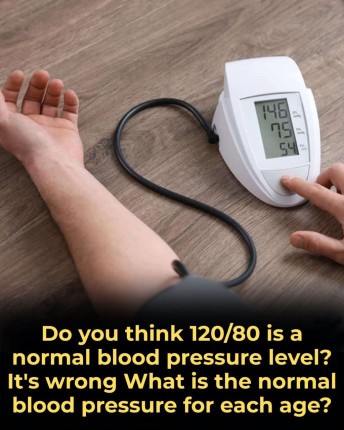
Here’s a clear, up-to-date guide to normal blood pressure by age, plus what doctors actually look for today. No scare tactics—just clarity.
First: One important truth
👉 Blood pressure targets no longer change much with age.
Modern guidelines focus more on overall cardiovascular risk than age alone.
Blood Pressure Categories (for adults)
Measured in mmHg (systolic / diastolic):
| Category | Reading |
|---|---|
| Normal | Below 120 / 80 |
| Elevated | 120–129 / below 80 |
| High BP – Stage 1 | 130–139 / 80–89 |
| High BP – Stage 2 | 140+ / 90+ |
| Hypertensive crisis | 180+ / 120+ |
What’s considered “normal” by age
Children & Teens
- Varies by height and age
- Doctors use percentile charts, not fixed numbers
- Needs pediatric evaluation
Adults 18–39
- Ideal: under 120/80
- Doctors may accept slightly higher if no risk factors
Adults 40–59
- Target: under 120/80
- Treatment usually starts if 130/80 or higher, especially with diabetes, obesity, or smoking history
Adults 60 and older
- Ideal: under 130/80
- Some doctors may accept 130–139 systolic if:
- No dizziness
- No fall risk
- No kidney issues
⚠️ Very low blood pressure in older adults can cause falls or fainting, so balance matters.
Why “normal” is personal
Doctors also consider:
- Diabetes
- Kidney disease
- Heart disease
- Stroke history
- Medications
- Symptoms (dizziness, fatigue)
That’s why two people the same age may have different targets.
When to worry
Contact a doctor if:
- Readings are consistently 130/80 or higher
- You feel dizzy, faint, short of breath, or have chest pain
- BP suddenly spikes much higher than usual
🚨 Emergency: 180/120+ with symptoms → seek immediate care
Bottom line
✔️ Under 120/80 is ideal at almost any adult age
✔️ Under 130/80 is generally acceptable, especially over 60
✔️ Age matters—but overall health matters more
If you want, I can:
- 📊 Create a printable blood pressure chart
- 🏠 Explain how to measure BP correctly at home
- 🫀 Show natural ways to lower BP by 5–10 points
Just say the word 👍
