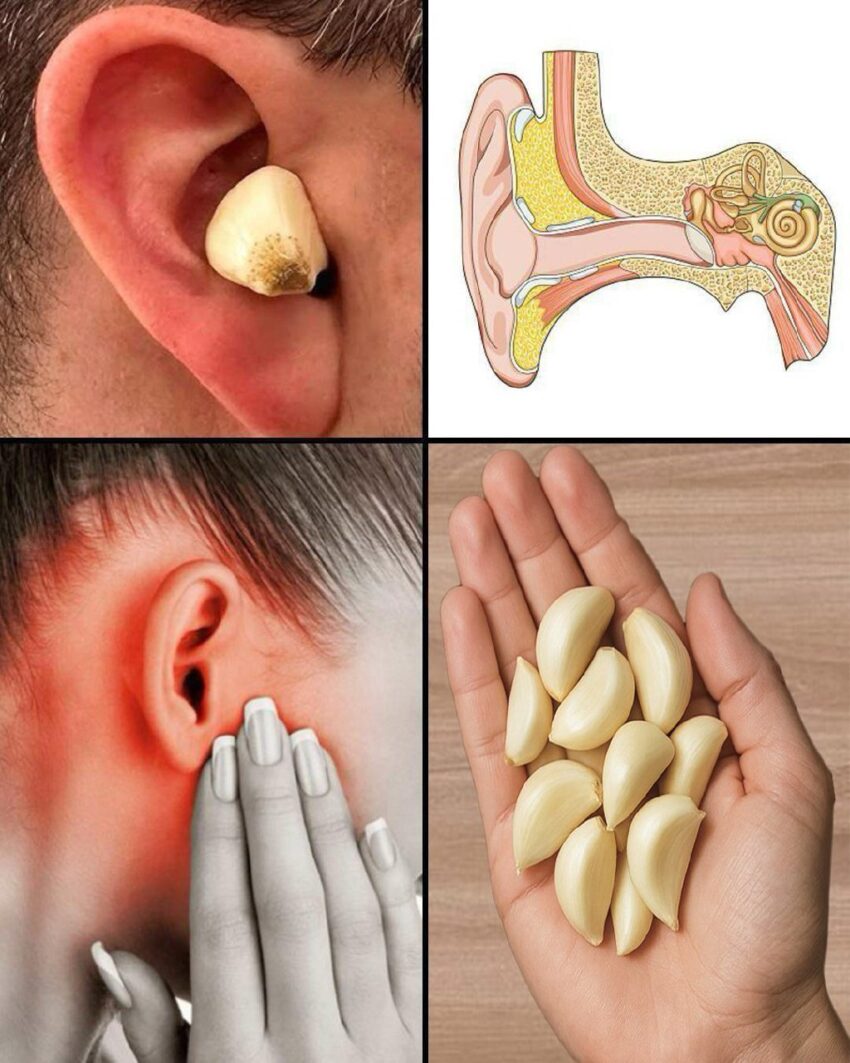
Garlic for Ear Health: Natural Relief & Protection 🧄👂
Garlic can support ear health—but it’s not a cure-all, and how it’s used matters a lot.
Why garlic is talked about for ear health
Garlic contains allicin, which has:
- 🦠 Antibacterial properties
- 🍄 Antifungal effects
- 🔥 Anti-inflammatory action
Because of this, garlic has traditionally been used to help with mild ear discomfort, especially when irritation or minor infection is suspected.
Potential benefits (with limits)
- May help reduce inflammation
- Can offer temporary pain relief
- Might help with minor outer ear issues
⚠️ Important reality check:
Garlic cannot restore hearing, fix nerve damage, or treat serious infections. It also does nothing for inner-ear problems (where most hearing loss occurs).
Safe use (if used at all)
If people use garlic, the least risky traditional method is:
- Garlic-infused oil (not raw garlic juice)
- Used warm—not hot
- Only 1–2 drops
- Never if you have:
- A perforated eardrum
- Drainage from the ear
- Severe pain, dizziness, or sudden hearing loss
Raw garlic or crushed garlic directly in the ear is unsafe and can cause burns or infection.
When garlic is NOT appropriate
- Sudden hearing loss 🚨
- Persistent pain or pressure
- Ringing (tinnitus)
- Vertigo
- Hearing loss lasting more than a day or two
Those need a doctor or ENT, not home remedies.
Bottom line
Garlic may offer mild, temporary relief for minor ear discomfort, but it is not a treatment for hearing loss and should never replace medical care.
If you want, tell me:
- Are you dealing with pain, blocked hearing, ringing, or infection symptoms?
- Adult or child?
I can point you to the safest, evidence-based option for your situation.
