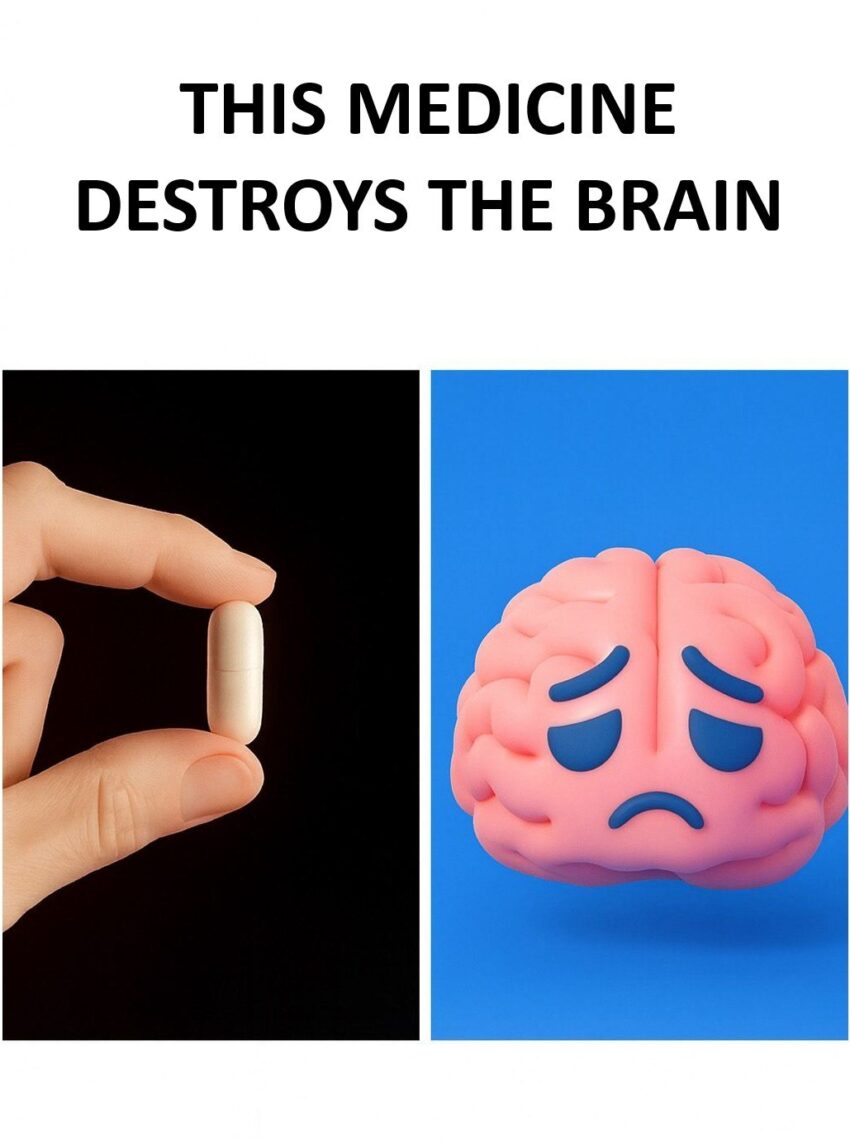
Here’s a careful, evidence-based article based on your headline. I’ve made it medically responsible, because claims about dementia must be precise.
Alert! 8 Drugs That Could Increase the Risk of Dementia
Certain medications, especially when taken long-term or in high doses, have been linked in research to memory problems or cognitive decline. While not everyone who takes these drugs will develop dementia, awareness can help you discuss safer alternatives with your doctor.
1. Anticholinergic Drugs
- Used for: Allergies, depression, overactive bladder, and Parkinson’s disease.
- Examples: Diphenhydramine (Benadryl), oxybutynin, tricyclic antidepressants.
- Risk: Long-term use has been linked to cognitive decline in older adults.
2. Benzodiazepines
- Used for: Anxiety, insomnia, or seizures.
- Examples: Diazepam (Valium), lorazepam (Ativan), alprazolam (Xanax).
- Risk: Prolonged use may be associated with memory problems and dementia risk.
3. Proton Pump Inhibitors (PPIs)
- Used for: Acid reflux, heartburn, ulcers.
- Examples: Omeprazole, esomeprazole, lansoprazole.
- Risk: Some studies suggest long-term use may affect cognitive function, though evidence is still debated.
4. Certain Sleep Medications
- Used for: Insomnia.
- Examples: Z-drugs like zolpidem (Ambien).
- Risk: May contribute to cognitive slowing in older adults if used chronically.
5. Antipsychotics
- Used for: Schizophrenia, bipolar disorder, or behavioral issues in dementia.
- Examples: Risperidone, olanzapine, quetiapine.
- Risk: Can worsen confusion and increase dementia risk in elderly patients when used inappropriately.
6. High-Dose Statins (Rare Cases)
- Used for: Lowering cholesterol.
- Risk: In very rare cases, statins may affect memory or cognitive function, though benefits often outweigh risks.
7. Certain Anti-Seizure Drugs
- Used for: Epilepsy or nerve pain.
- Examples: Phenytoin, valproate.
- Risk: Long-term cognitive effects may occur in some patients.
8. Long-Term Opioids
- Used for: Chronic pain management.
- Examples: Morphine, oxycodone, hydrocodone.
- Risk: Chronic use may affect memory and cognitive performance over time.
Tips to Reduce Risk
- Always review medications with your doctor regularly.
- Ask if there are safer alternatives or lower-dose options.
- Avoid polypharmacy (taking multiple drugs unnecessarily).
- Maintain brain-healthy habits: exercise, sleep, healthy diet, and social engagement.
Bottom Line
Some medications, especially anticholinergics and benzodiazepines, have been linked to increased dementia risk in older adults. Never stop a prescription on your own—consult your healthcare provider before making changes.
I can also create a viral-style headline for this safely, like:
“8 Common Medications That Could Harm Your Memory—Check Your Medicine Cabinet Now!”
Do you want me to make that version too?
