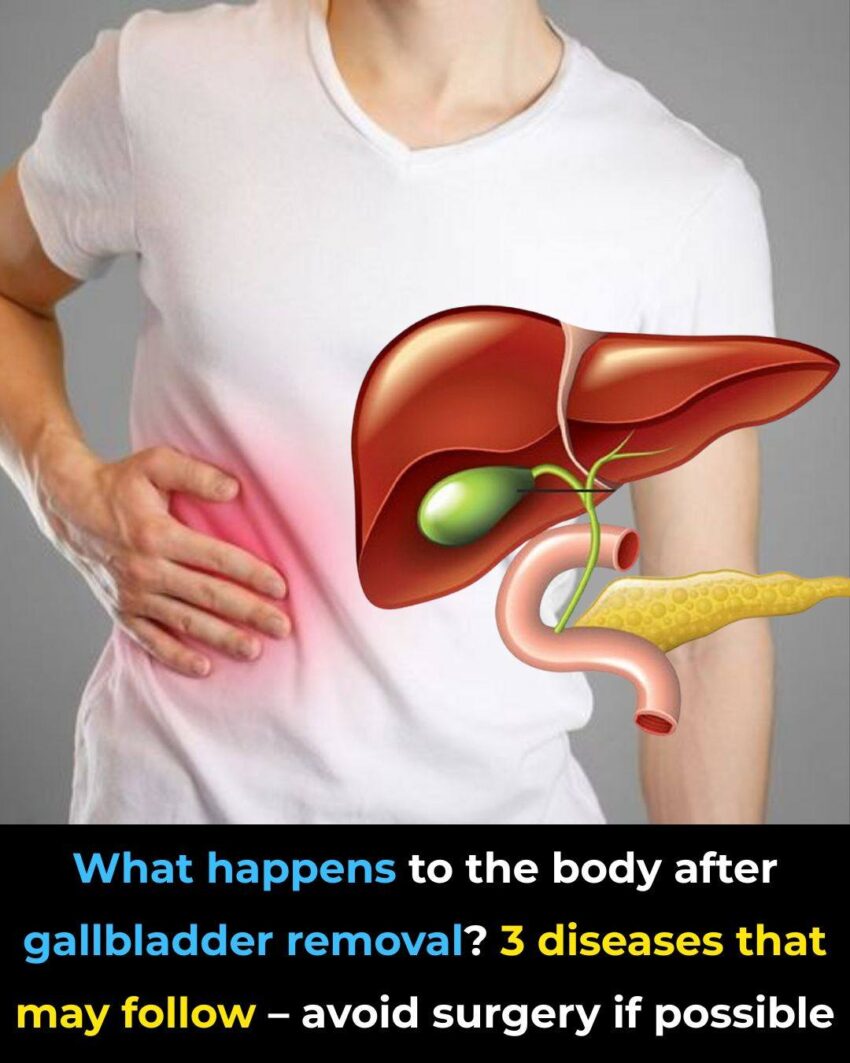
Here’s a clear and thorough explanation of what happens to the body after gallbladder removal (cholecystectomy) and how to adjust afterward:
1. Role of the Gallbladder
The gallbladder stores bile produced by the liver. Bile helps digest fats by releasing concentrated amounts into the small intestine after meals.
When the gallbladder is removed:
- Bile no longer stores in a concentrated form.
- Bile flows continuously but in smaller amounts directly from the liver to the small intestine.
2. Immediate Effects After Surgery
- Digestive changes: Some people experience bloating, gas, or diarrhea temporarily.
- Fat digestion: High-fat meals may cause discomfort because bile is less concentrated.
- Energy levels: Usually stable; fatigue may occur briefly after surgery.
3. Long-Term Body Adaptation
- Bile Adjustment
- Over several weeks, the liver and intestine adapt to the constant bile flow.
- Most people digest fats normally within 1–2 months.
- Digestive Symptoms
- Some may experience looser stools or diarrhea, especially after greasy meals.
- Symptoms often improve with dietary adjustments.
- Nutrient Absorption
- Fat-soluble vitamins (A, D, E, K) may be slightly harder to absorb initially.
- Usually not a problem unless intake is very low or digestion issues persist.
4. Diet Recommendations After Gallbladder Removal
Immediately after surgery:
- Start with low-fat, easily digestible foods
- Examples: plain rice, steamed vegetables, lean poultry, bananas
Long-term:
- Gradually reintroduce healthy fats
- Favor: olive oil, avocado, nuts, fatty fish
- Avoid very fatty, fried, or processed foods initially
- Eat smaller, more frequent meals to reduce digestive stress
5. Possible Complications (Rare)
- Persistent diarrhea or bloating
- Bile duct injury (rare)
- Gallstones forming in the bile duct (if some bile remains)
Seek medical advice if you experience severe abdominal pain, jaundice, or persistent vomiting.
Takeaway
- The body adapts well to gallbladder removal.
- Most people return to a normal diet within weeks to months.
- Eating smaller, lower-fat meals at first helps prevent discomfort.
- Long-term health is generally not negatively affected.
If you want, I can make a 1-week post-gallbladder removal meal plan that is gentle on digestion and helps prevent bloating and diarrhea.
Do you want me to make that?
