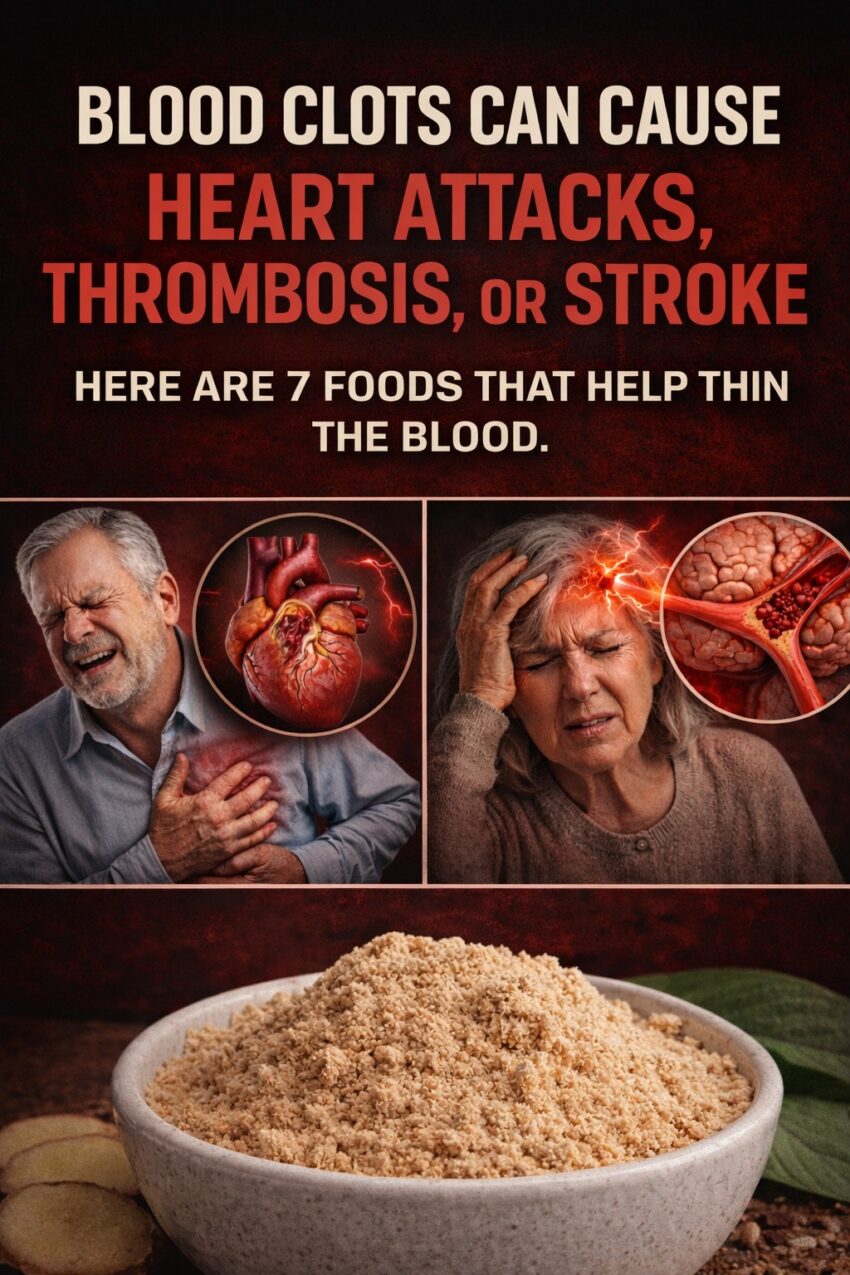
Blood clots can indeed contribute to heart attack, deep vein thrombosis (DVT), pulmonary embolism, and stroke. However, no food can replace prescribed anticoagulant medication if you’re at high risk.
That said, some foods contain natural compounds that may help reduce platelet aggregation and support healthy circulation when part of a balanced diet.
Here are 7 evidence-supported foods that may help support healthy blood flow:
- Garlic
Garlic contains allicin and sulfur compounds that may reduce platelet stickiness. Regular culinary use is associated with cardiovascular benefits. Supplements have stronger effects but should be used cautiously.
- Ginger
Ginger contains gingerols and natural salicylate-like compounds. It may mildly reduce clot formation and inflammation. Large supplemental doses can increase bleeding risk.
- Turmeric
Curcumin, the active compound in turmeric, may reduce inflammation and platelet aggregation. It is better absorbed when taken with black pepper and healthy fats.
- Fatty Fish (Salmon, Sardines, Mackerel)
Rich in omega-3 fatty acids (EPA and DHA), which can reduce clotting tendency and lower triglycerides. Eating fish 2–3 times per week supports heart health.
- Berries (Blueberries, Strawberries, Raspberries)
Contain antioxidants and natural salicylates that may help reduce oxidative stress and support vascular health.
- Green Tea
Rich in catechins, which may support healthy blood vessels and reduce inflammation. Moderate intake is generally safe.
- Cayenne Pepper
Contains capsaicin and natural salicylates. May improve circulation in small amounts.
Important Safety Warning
Be cautious if you:
• Take blood thinners (warfarin, aspirin, clopidogrel, DOACs)
• Have a bleeding disorder
• Are preparing for surgery
• Bruise or bleed easily
Signs of excessive blood thinning include frequent nosebleeds, bleeding gums, easy bruising, or blood in urine/stool.
Key Takeaway
These foods may support heart and vascular health, but their effects are mild compared to medical anticoagulants. They should complement—not replace—professional medical treatment.
If you’d like, I can also provide:
• A heart-healthy weekly meal plan
• Foods that may increase clotting (important for people on warfarin)
• A guide on how to safely combine diet and blood-thinning medication
Let me know which would be most helpful.
