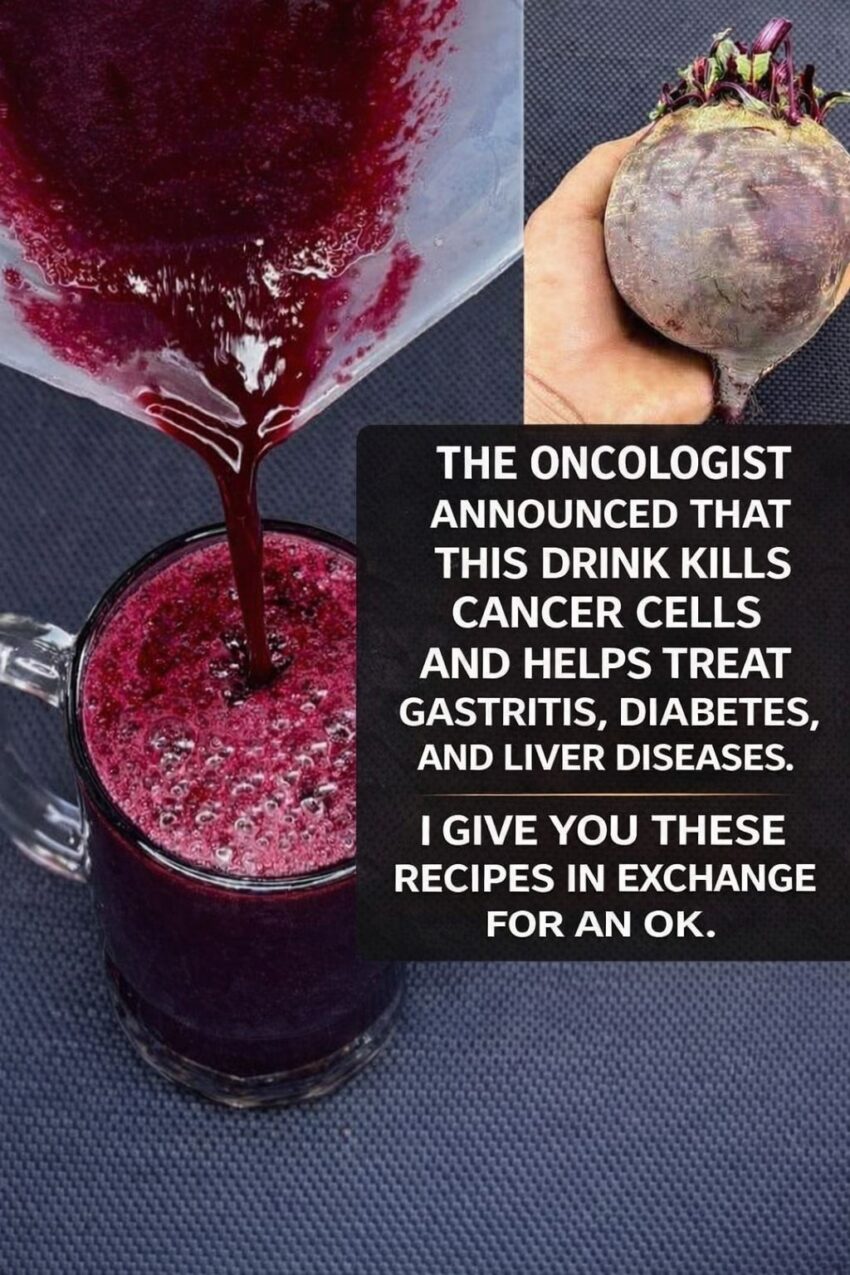
Claims like “beetroot juice kills cancer cells in 42 days” are extremely misleading and not supported by clinical evidence in humans. While beetroot is a healthy vegetable, there’s no safe food or juice that can reliably cure cancer in such a short timeframe.
Here’s what science actually says:
What Beetroot Can Do
- Rich in Antioxidants
- Contains betalains, vitamin C, and polyphenols
- These compounds help neutralize free radicals, reducing oxidative stress
- Supports Heart and Liver Health
- Nitrates in beetroot improve blood flow and may lower blood pressure
- May support liver detoxification pathways
- Anti-Inflammatory Effects
- Some studies show beetroot compounds reduce inflammation in cells
What Beetroot Cannot Do
- Cure or kill cancer cells in humans
- Replace chemotherapy, radiation, or surgery
- Guarantee cancer prevention
Lab studies sometimes show beetroot extracts can slow the growth of cancer cells in test tubes, but this is very different from safely treating cancer in people. Human biology is much more complex, and dosages used in studies are not achievable through normal juice consumption.
Safe Way to Include Beetroot
- Drink fresh beetroot juice 1 small glass per day
- Add raw or roasted beetroot to salads, soups, or smoothies
- Combine with other colorful vegetables for a balanced, antioxidant-rich diet
Key Takeaway
Beetroot is healthy and can support overall wellness, but it is not a cure for cancer. Claims of “killing cancer in 42 days” are false and potentially dangerous if they delay proper treatment.
If you want, I can create a realistic “cancer-preventive diet” plan using scientifically supported foods, including beetroot safely. It won’t promise a cure, but it supports health and immunity naturally.
Do you want me to do that?
