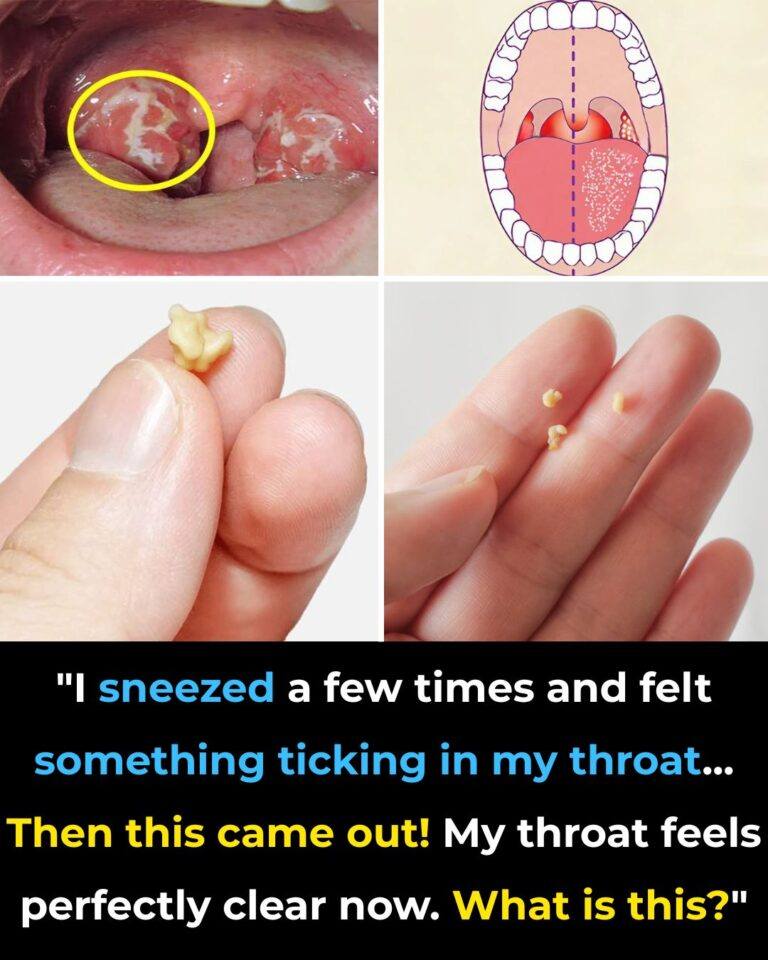
Here’s a clear guide to tonsil stones (tonsilloliths) — what they are, why they form, and how to deal with them:
What Tonsil Stones Are
- Small, white or yellowish calcified deposits in the crevices of your tonsils
- Made of bacteria, dead cells, mucus, and food particles
- Often smell bad due to bacterial activity
Why They Form
- Tonsils have crypts (small pockets) that can trap debris
- Poor oral hygiene, chronic tonsillitis, or large tonsil crypts increase risk
- Dry mouth or post-nasal drip can worsen formation
Common Symptoms
- Bad breath (halitosis)
- Sore throat or discomfort
- Feeling of something stuck in your throat
- Occasionally, visible white/yellow lumps on the tonsils
- Ear pain (referred pain)
Safe Ways to Remove or Manage Tonsil Stones
- Gargling
- Warm salt water or antibacterial mouthwash
- Helps loosen small stones and reduce bacteria
- Manual Removal (Carefully)
- Use a cotton swab or water flosser
- Do not force or dig too deep—risk of bleeding or infection
- Maintain Oral Hygiene
- Brush and floss daily
- Stay hydrated to prevent dry mouth
- Medical Treatments
- Laser cryptolysis or tonsillectomy for recurrent or large stones
- ENT (ear, nose, throat) evaluation if frequent
What to Avoid
- Trying to squeeze with sharp objects
- Ignoring recurrent tonsil stones if accompanied by infection or pain
Bottom Line
Tonsil stones are common and usually harmless, but they can cause discomfort and bad breath.
- Small stones: manage with good oral hygiene and gargling
- Large or recurrent stones: consult an ENT
If you want, I can make a step-by-step home routine to prevent tonsil stones naturally without medical procedures.
