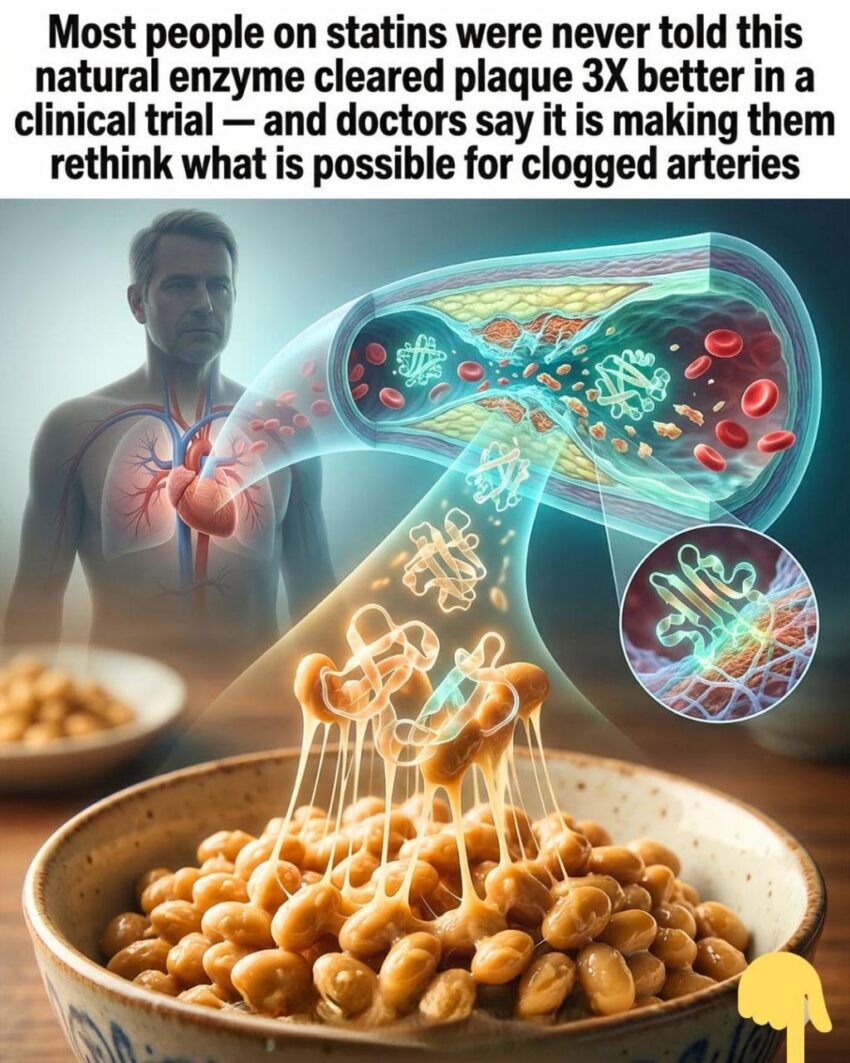
That statement is partly true, but incomplete—and often framed in a misleading way online.
🫀 What cholesterol medications actually do
Most commonly, people are prescribed statins (like atorvastatin or simvastatin). These drugs:
- Lower LDL (“bad”) cholesterol
- Slow the progression of plaque buildup in arteries
- Stabilize existing plaque, making it less likely to rupture (which causes heart attacks)
🧠 Slowing vs. reversing plaque
✔️ Slowing progression (proven)
- This is the main, well-established benefit
- It significantly reduces risk of:
- Heart attack
- Stroke
- Cardiovascular death
⚖️ Partial regression (sometimes possible)
- In some cases—especially with:
- Very low LDL levels
- Strong lifestyle changes (diet, exercise, no smoking)
- Plaque can shrink slightly, but:
- It’s not guaranteed
- It’s usually modest, not a full “cleaning of arteries”
🚨 Why “slowing” is actually a big deal
Even if plaque isn’t fully removed:
- Stable plaque is much less dangerous
- Most heart attacks happen when plaque ruptures, not just because it exists
- So stabilizing it can be life-saving
💡 What doctors realistically aim for
Doctors are not “hiding” anything—they aim to:
- Lower LDL cholesterol to target levels
- Prevent plaque from worsening
- Reduce your overall cardiovascular risk
✅ Bottom line
- Yes, slowing plaque buildup is a realistic and important goal
- But it’s not the only benefit—risk reduction and plaque stabilization are just as crucial
- In some cases, small reversal is possible, especially with aggressive treatment and lifestyle changes
If you want, I can show you what actually helps shrink plaque naturally (backed by science) alongside medication.
