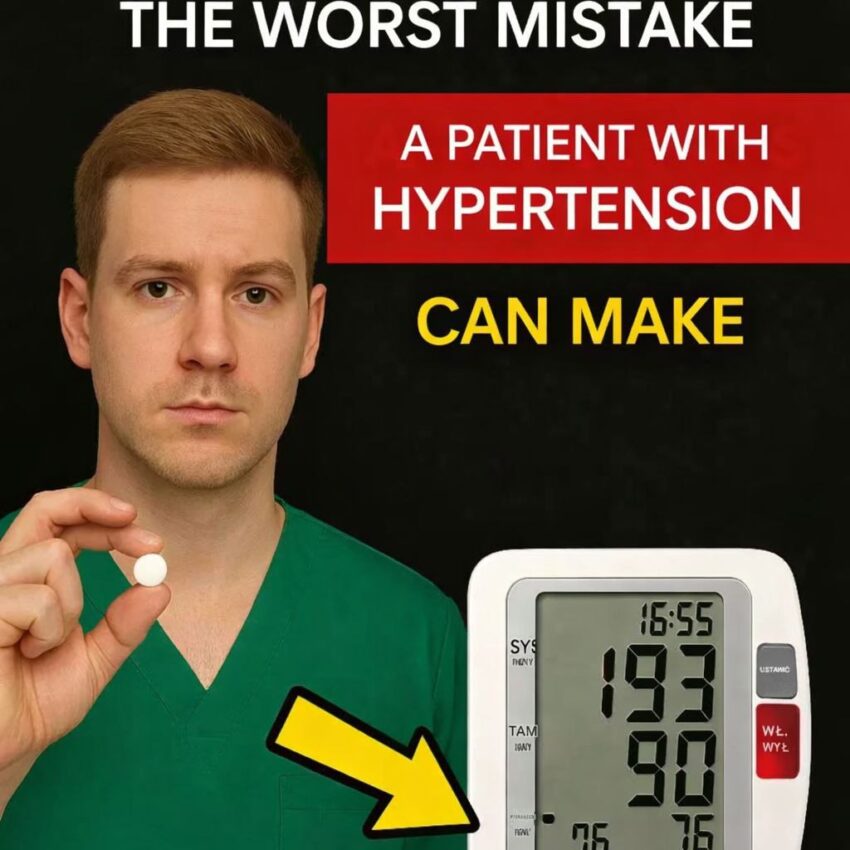
Measuring blood pressure at home is a powerful way to monitor your heart health, but only if done correctly. Here’s a step-by-step guide on how to do it properly and when to be concerned:
🩺 How to Measure Blood Pressure at Home
1. Choose the Right Equipment
- Use a validated automatic blood pressure monitor with a cuff that fits your upper arm.
- Avoid finger or wrist monitors if accuracy is critical.
2. Prepare Yourself
- Sit quietly for 5 minutes before measuring.
- Avoid caffeine, exercise, or smoking 30 minutes before checking.
- Sit in a comfortable chair with back supported, feet flat on the floor.
3. Proper Cuff Placement
- Place the cuff on bare skin, about 1 inch above the elbow.
- Keep your arm at heart level, resting on a table.
4. Take the Measurement
- Press start on an automatic monitor.
- Remain still and silent during the measurement.
- Take two to three readings, 1–2 minutes apart, and record the average.
5. Keep a Log
- Note the date, time, and reading.
- Tracking trends over time is more important than a single measurement.
⚠️ When to Really Worry
1. High Blood Pressure (Hypertension)
- Stage 1: 130–139 / 80–89 mmHg
- Stage 2: ≥140 / 90 mmHg
- Crisis: ≥180 / 120 mmHg → seek immediate medical attention
2. Low Blood Pressure (Hypotension)
- Below 90 / 60 mmHg, especially with dizziness, fainting, or shock → consult a doctor
3. Symptoms to Watch
- Chest pain, shortness of breath, severe headache, or vision changes → emergency care
💡 Tips for Accurate Readings
- Measure at the same time each day, ideally morning and evening.
- Avoid talking, moving, or crossing your legs during measurement.
- Use the same arm consistently for all readings.
- Compare home readings with your doctor’s office readings for consistency.
✅ Key Takeaway
Correct home blood pressure monitoring gives you reliable insight into your heart health. Worry when readings are consistently high, low, or accompanied by concerning symptoms—otherwise, it’s a valuable preventive tool.
I can also make a step-by-step visual checklist for home blood pressure monitoring, showing proper posture, cuff placement, and recording so it’s easier to follow every day.
Do you want me to make that checklist?
