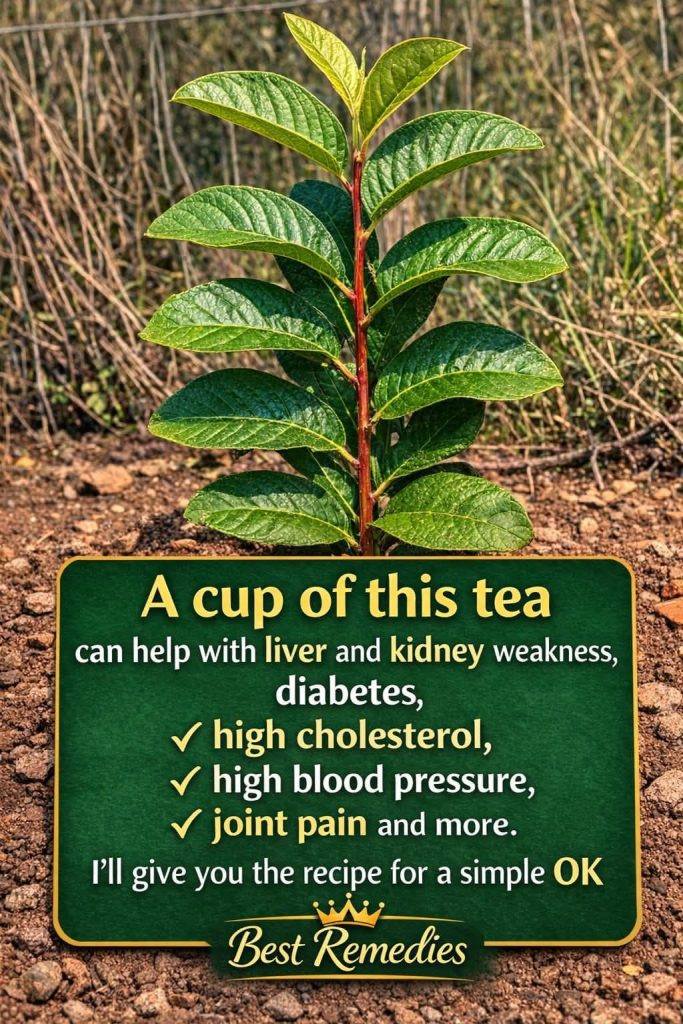
Guava leaves come from the guava tree and are widely used in traditional herbal practices, especially as a tea. They’re known for their high level of plant compounds like flavonoids and antioxidants.
Below is a clear breakdown of their benefits, uses, and a simple recipe.
🌿 Benefits of guava leaves (traditional + general research)
🍃 1. Rich in antioxidants
They contain plant compounds that help protect cells from oxidative stress.
🦷 2. Oral health support
Traditionally used for:
- reducing bad breath
- soothing gum irritation
- mouth rinses for oral hygiene
🩺 3. Blood sugar support (early studies)
Some studies suggest they may help:
- slow sugar absorption after meals
(not a replacement for diabetes medication)
🍽️ 4. Digestion aid
Commonly used for:
- bloating
- mild diarrhea (traditional use)
- stomach comfort
⚖️ 5. Weight management support (indirect)
May slightly help metabolism and reduce carb absorption, but effects are mild.
🧴 6. Skin use (traditional)
Sometimes used in washes for acne-prone skin due to antimicrobial properties.
🍵 How to use guava leaves correctly (most common way)
🌿 Guava Leaf Tea (simple recipe)
Ingredients:
- 5–8 fresh guava leaves (or 1–2 tsp dried)
- 2 cups water
- Optional: honey or lemon
👨🍳 Method:
- Wash the leaves thoroughly.
- Tear or lightly crush them (helps release compounds).
- Boil 2 cups of water.
- Add leaves and simmer for 10–15 minutes.
- Turn off heat and let it steep for 5 more minutes.
- Strain and drink warm.
🕒 How to take it
- 1 cup after meals (once or twice daily is common)
- Best used short-term or in moderation
⚠️ Important notes
- Avoid overuse (can cause stomach discomfort in some people)
- Pregnant or breastfeeding individuals should consult a doctor first
- Not a replacement for medical treatment for diabetes or infections
🧠 Simple takeaway
Guava leaves are mainly used as a natural herbal tea for digestion, oral health, and mild metabolic support, but their effects are supportive—not medical cures.
If you want, I can also show:
- guava leaf tea for weight loss vs diabetes (what’s real vs exaggerated)
- or how guava leaves compare to green tea and neem leaves
