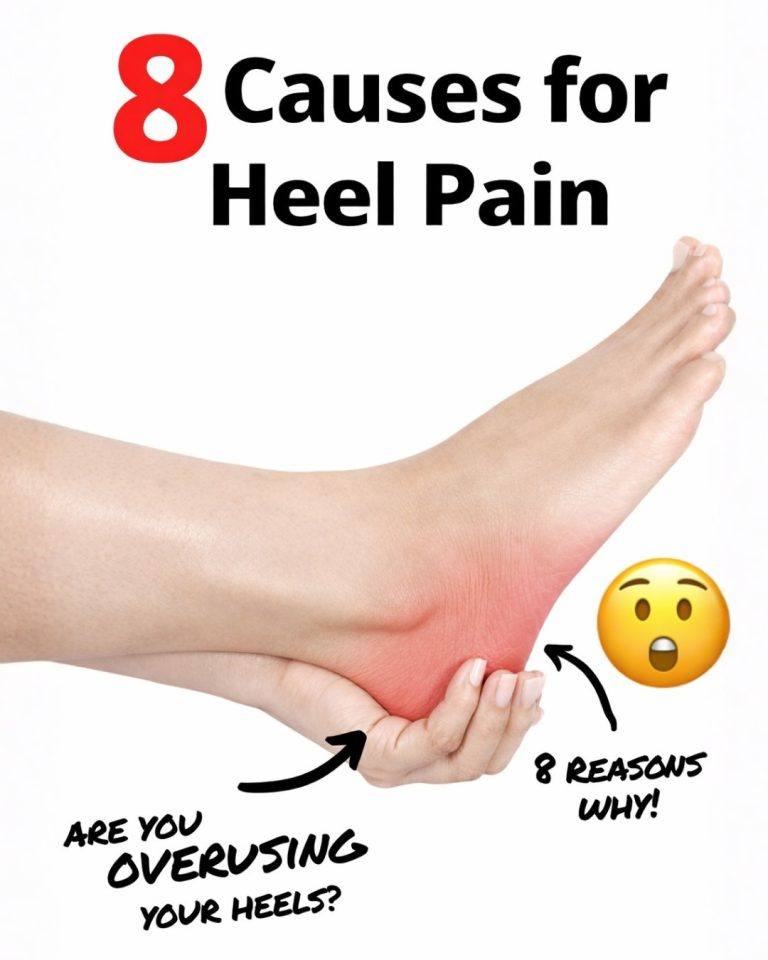
Heel pain is very common and can range from a mild annoyance to something that seriously affects walking. The key is that “heel pain” is not a diagnosis—it’s a symptom with several possible causes.
Here are 8 common causes of heel pain, along with typical symptoms and practical solutions:
1. Plantar fasciitis (most common cause)
What it is: Inflammation of the thick band of tissue (plantar fascia) that runs along the bottom of your foot.
Symptoms:
- Sharp pain in the heel, especially first steps in the morning
- Pain improves with movement but returns after standing long
- Tenderness under the heel
Solutions:
- Stretching calf and foot muscles daily
- Supportive shoes or insoles
- Avoid walking barefoot on hard surfaces
- Ice massage under the foot
- Physiotherapy if persistent
2. Achilles tendinitis
What it is: Overuse injury of the Achilles tendon (back of the heel).
Symptoms:
- Pain at the back of the heel
- Stiffness in the morning
- Swelling or thickened tendon
Solutions:
- Rest and reduce running/jumping activities
- Heel lifts or cushioned shoes
- Calf stretching and strengthening
- Anti-inflammatory measures (if advised by a doctor)
3. Heel spur (calcaneal spur)
What it is: A bony growth on the heel bone, often linked with plantar fasciitis.
Symptoms:
- Sharp or stabbing heel pain
- Worse when standing after rest
Solutions:
- Treat underlying plantar fasciitis
- Cushioning insoles
- Shock-absorbing footwear
- Rarely needs surgery
4. Heel bursitis
What it is: Inflammation of the fluid-filled sac (bursa) near the heel.
Symptoms:
- Pain at the back or underside of heel
- Swelling and warmth
- Pain worsens with pressure or shoes
Solutions:
- Avoid tight footwear
- Ice and rest
- Heel padding
- Medical treatment if severe
5. Stress fracture of the heel bone
What it is: Tiny crack in the heel bone due to repeated stress.
Symptoms:
- Deep, constant pain
- Worse with activity, even walking
- Tenderness when pressing heel
Solutions:
- Rest (important)
- Avoid weight-bearing activities
- Gradual return after healing
- Imaging may be needed for diagnosis
6. Fat pad atrophy
What it is: Thinning of the natural cushioning under the heel (often with age).
Symptoms:
- Bruised feeling in heel
- Pain when walking on hard surfaces
- No inflammation, just pressure pain
Solutions:
- Gel heel cushions
- Supportive shoes with shock absorption
- Avoid thin-soled footwear
7. Nerve compression (Tarsal tunnel syndrome)
What it is: Compression of the nerve near the ankle.
Symptoms:
- Burning, tingling, or shooting pain
- Numbness in heel or foot
- Pain worsens at night or with standing
Solutions:
- Anti-inflammatory treatment
- Orthotics
- Nerve evaluation if persistent
8. Arthritis (heel joint inflammation)
What it is: Degeneration or inflammation of joints affecting the heel area.
Symptoms:
- Stiffness and chronic pain
- Swelling around heel/ankle
- Pain worsens with movement
Solutions:
- Gentle exercise and mobility work
- Weight control
- Anti-inflammatory medication (doctor-guided)
- Physical therapy
When heel pain needs medical attention
Seek evaluation if:
- Pain lasts more than 2–3 weeks
- You cannot walk normally
- There is swelling, redness, or fever
- Pain is severe or worsening
Simple at-home care for most heel pain
- Rest from high-impact activity
- Ice 10–15 minutes, 2–3 times daily
- Wear supportive, cushioned shoes
- Do daily calf and foot stretches
- Avoid walking barefoot on hard floors
If you want, tell me your symptoms (morning pain, back heel pain, burning, etc.), and I can narrow it down to the most likely cause and what to do next.
