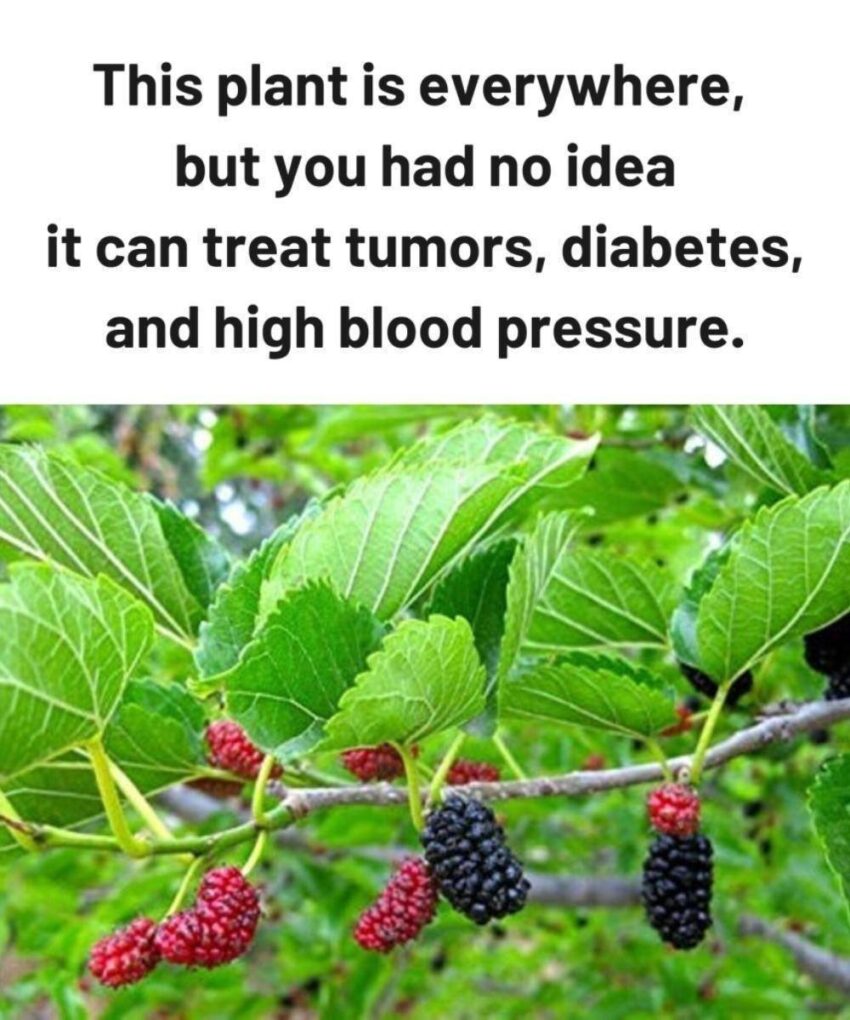
That kind of headline is another classic example of overpromising “miracle plant cures.” A plant being “everywhere” and “treating tumors, diabetes, and high blood pressure” is almost always exaggerated or misleading.No single plant has been scientifically proven to treat tumors, cure diabetes, and fully control high blood pressure on its own.Let’s unpack what’s really going on.
🌿 Why these claims spread
These articles usually:
- take early lab or animal studies
- exaggerate them into “cures”
- mix in traditional medicine uses
- ignore human clinical evidence
So a plant may show some biological activity, but that is very different from being a treatment.
🧬 About “tumor treatment” claims
Many plants show compounds that:
- slow cancer cell growth in a lab
- have antioxidant effects
But in real medicine:
- that does not mean they shrink tumors in humans
- they are not replacements for cancer treatment
Cancer treatment requires targeted, tested therapies under oncology care.
🩸 Diabetes claims
Some herbs may slightly:
- improve insulin sensitivity
- slow sugar absorption
But for Diabetes mellitus:
- diet + medication (when needed) are still the foundation
- herbs alone cannot control or reverse it reliably
❤️ Blood pressure claims
Some plant compounds can:
- mildly relax blood vessels
- have diuretic effects
But for Hypertension:
- lifestyle changes and prescribed medications are proven treatments
- herbal effects are usually mild and inconsistent
⚠️ The real risk of these headlines
Believing them can lead to:
- delaying real medical treatment
- uncontrolled blood sugar or blood pressure
- progression of serious disease
🧾 Bottom line
- Many plants have interesting medicinal properties
- Some may support health as part of diet or traditional use
- But none are proven cures for tumors, diabetes, and hypertension all at once
If you want, tell me the name of the plant from the article—I can break down what it actually does (based on real studies, not hype) and whether it has any legitimate medical value.
