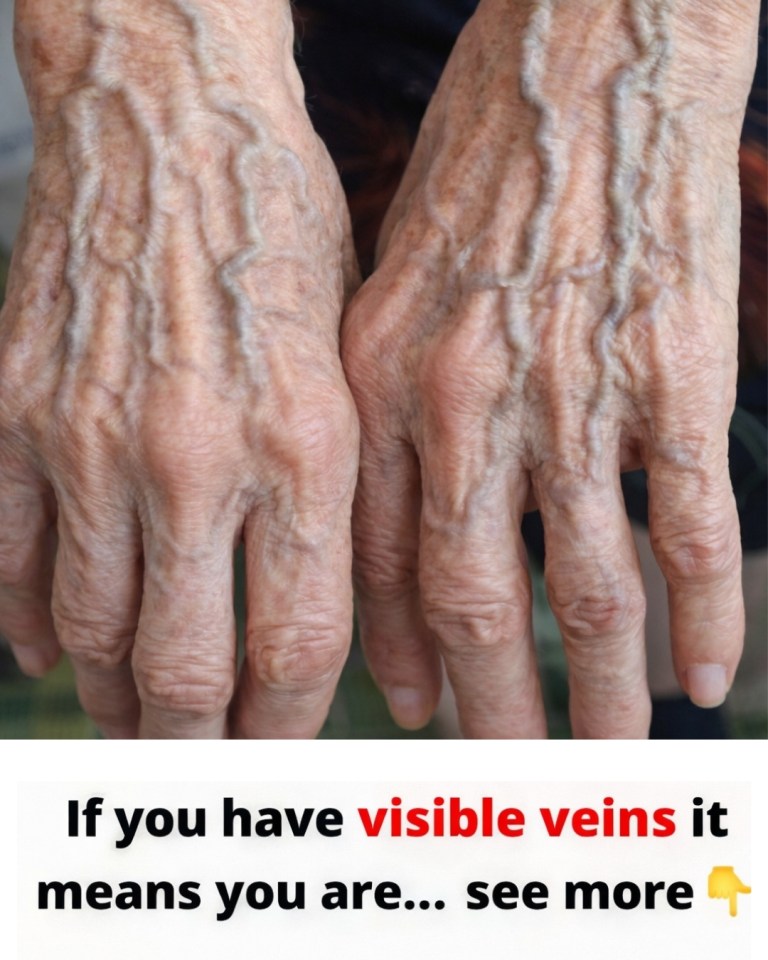
Bulging veins can mean different things depending on where they are, how suddenly they appeared, and whether you have other symptoms. In many cases, they’re harmless—but sometimes they signal an underlying issue.
Common (often harmless) causes
These are the most frequent reasons:
- Low body fat / thin skin
Veins naturally look more visible in lean people or as you age. - Heat or exercise
When your body heats up or you work out, veins expand to help cool you down. - Physical activity or lifting weights
“Pumped” veins during or after exercise are normal and temporary. - Genetics
Some people naturally have more visible veins. - Standing for long periods
Gravity increases pressure in leg veins, making them bulge temporarily.
Medical causes to consider
These are more important if veins are new, painful, or persistent:
- Varicose veins
Enlarged, twisted veins (usually in legs) due to weak valves. - Venous insufficiency
Blood doesn’t return efficiently to the heart → swelling, heaviness, visible veins. - Blood clot (deep vein thrombosis – DVT) ⚠️
Usually comes with pain, swelling, warmth, redness in one leg. - Hormonal changes
Pregnancy, puberty, or hormonal fluctuations can make veins more visible. - Increased blood volume or pressure
Can happen with some heart or circulation issues.
Is it related to thyroid problems?
Not directly. Thyroid conditions usually don’t cause bulging veins. However:
- Hyperthyroidism (overactive thyroid) can increase heart rate and blood flow, which may make veins appear more prominent in some people.
- But this is usually accompanied by other symptoms like weight loss, tremors, sweating, anxiety, or palpitations.
When to be concerned
Get medical advice if you notice:
- Sudden new bulging veins (especially in one limb)
- Pain, redness, or swelling
- Hard, cord-like vein
- Shortness of breath or chest pain (emergency)
Bottom line
Most bulging veins are normal and harmless, especially if they appear with heat, exercise, or low body fat. But if they’re new, painful, or localized (especially in the legs), it’s worth getting checked.
If you tell me where the veins are (hands, legs, neck, etc.) and when you notice them, I can narrow it down more precisely.
