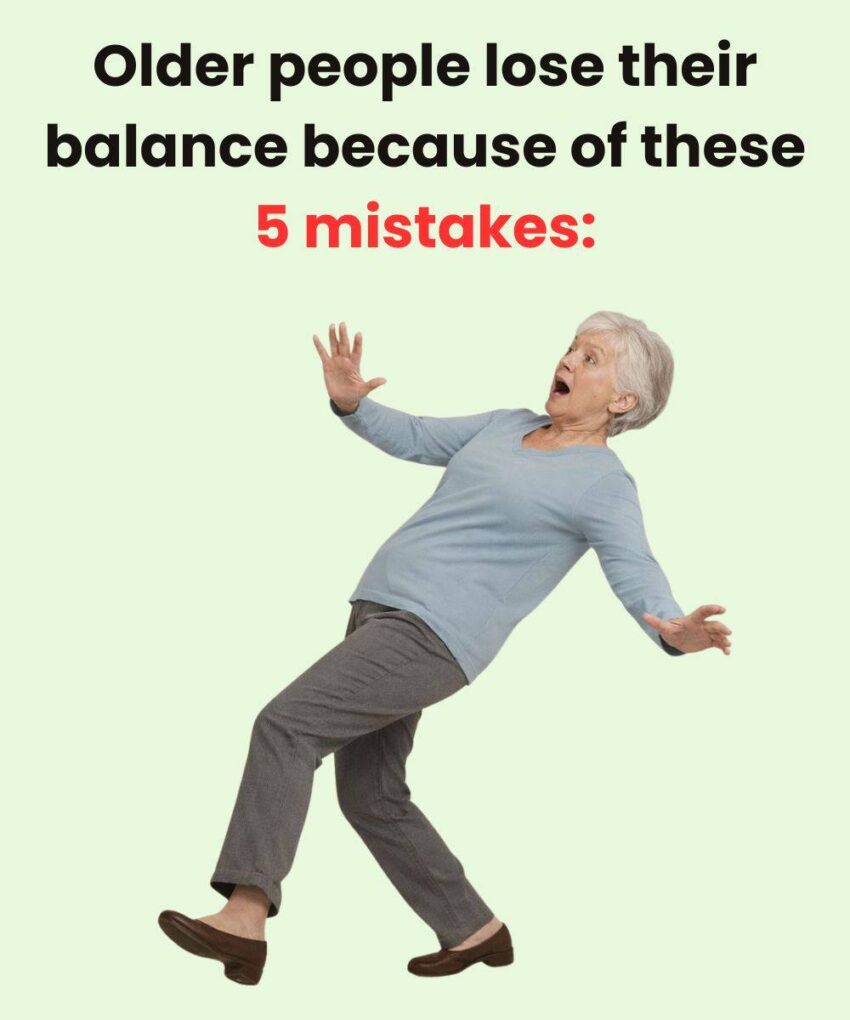
Balance problems in older adults are often not caused by a single issue, but by a mix of everyday habits, health conditions, and environmental factors. Many of these are common mistakes that go unnoticed until a fall or near-fall happens.
One major mistake is physical inactivity. When people become less active with age, muscles—especially in the legs and core—gradually weaken. This directly affects stability and coordination. Even simple movements like standing up from a chair or turning quickly can become risky when strength and balance reactions are reduced. Regular balance and strength training exercises can help maintain stability and reduce fall risk.
Another frequent issue is ignoring vision and hearing problems. Poor eyesight makes it harder to judge distances, spot obstacles, or notice uneven ground. Similarly, untreated hearing loss can affect spatial awareness and reaction time. Conditions like cataracts or uncorrected glasses prescriptions can quietly contribute to imbalance over time.
A third common mistake is overreliance on medications without reviewing side effects. Some medicines—especially those for blood pressure, sleep, anxiety, or pain—can cause dizziness, drowsiness, or low blood pressure. When multiple medications are taken together, the risk of imbalance increases. This is especially important in older adults with chronic conditions.
Unsafe home environments also play a major role. Loose rugs, poor lighting, slippery bathroom floors, and cluttered walkways significantly increase fall risk. Even small hazards can become dangerous when balance is already slightly reduced. Simple changes like installing grab bars or improving lighting can make a big difference.
Another overlooked factor is poor footwear choices. Wearing loose slippers, high heels, or shoes with smooth soles reduces grip and stability. Supportive, well-fitted shoes help maintain proper posture and reduce slipping.
Health conditions such as inner ear disorders, neuropathy, arthritis, and low blood pressure when standing (orthostatic hypotension) can also affect balance. For example, nerve damage in the feet reduces sensation, making it harder to detect uneven surfaces.
Finally, skipping balance-specific exercises is a key mistake. Activities like walking alone are helpful but not always enough. Targeted movements such as tai chi or structured balance training (for example, programs recommended in physical therapy or related to the principles of Balance Training) are more effective for improving stability and reaction time.
If you want, I can also list simple daily exercises or a home safety checklist tailored for older adults to reduce fall risk.
