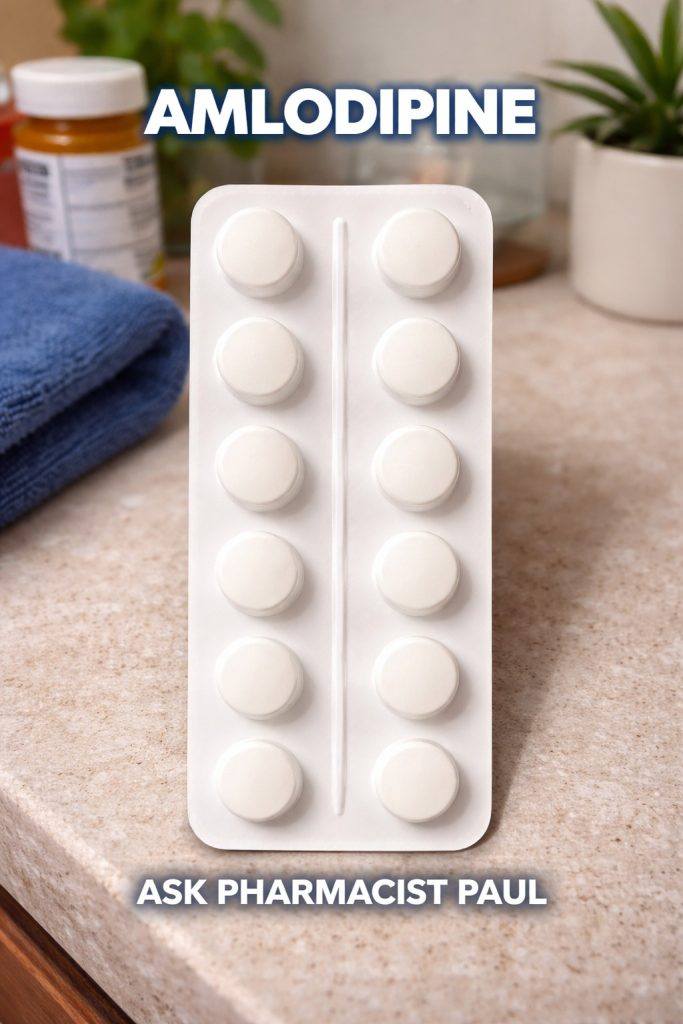
Amlodipine is a commonly prescribed medication for high blood pressure (hypertension) and sometimes chest pain (angina). It works by relaxing blood vessels so blood flows more easily. But how you live day-to-day can significantly affect how well it works—and whether you experience side effects.
Here are 8 habits worth stopping (or reducing) if you’re taking amlodipine, along with why they matter:
1. Ignoring your salt intake
High sodium intake can directly counteract amlodipine’s blood-pressure-lowering effect.
Why it matters:
Too much salt makes your body retain water, increasing blood pressure and making the medication less effective.
What to avoid:
Instant noodles, processed snacks, pickles, fast food, salted tea snacks.
2. Drinking alcohol regularly or in excess
Alcohol can amplify amlodipine’s blood-pressure-lowering effect in an unsafe way.
Why it matters:
It may cause dizziness, fainting, or sudden drops in blood pressure.
Even moderate drinking can make side effects like flushing or lightheadedness worse.
3. Standing up too quickly (especially in the morning)
Amlodipine can already cause mild lowering of blood pressure when changing positions.
Why it matters:
Sudden standing may trigger dizziness or even fainting (orthostatic hypotension).
Better habit:
Sit up slowly, pause on the edge of the bed before standing.
4. Smoking
Nicotine constricts blood vessels, directly opposing how amlodipine works.
Why it matters:
Smoking increases blood pressure and heart strain, reducing the benefit of treatment.
Even “light” smoking still interferes significantly.
5. Skipping medication or taking it irregularly
Amlodipine works best when levels in your body stay steady.
Why it matters:
Irregular use can cause blood pressure fluctuations, increasing risk of stroke or heart strain.
Consistency matters more than timing perfection.
6. Excess caffeine intake
High caffeine consumption (strong tea, coffee, energy drinks) can temporarily raise blood pressure.
Why it matters:
It may mask or reduce the effectiveness of amlodipine in controlling BP throughout the day.
7. Self-medicating with painkillers like NSAIDs
Frequent use of ibuprofen or diclofenac can interfere with blood pressure control.
Why it matters:
These drugs can cause fluid retention and reduce antihypertensive effectiveness.
Occasional use is usually okay, but regular use should be discussed with a doctor.
8. Neglecting physical activity or becoming overly sedentary
Amlodipine controls symptoms, but lifestyle still drives long-term outcomes.
Why it matters:
Lack of movement contributes to weight gain, insulin resistance, and persistent high blood pressure.
Even light daily walking helps improve results significantly.
Important note
Amlodipine (a calcium channel blocker) is generally safe and effective, but it works best when paired with supportive habits—not habits that constantly push blood pressure upward.
If you experience:
- Persistent ankle swelling
- Severe dizziness
- Very low or very high readings
…it’s worth discussing with a healthcare provider rather than adjusting habits alone.
If you want, I can also break down:
- Foods that help amlodipine work better
- Or common side effects and how to manage them safely
