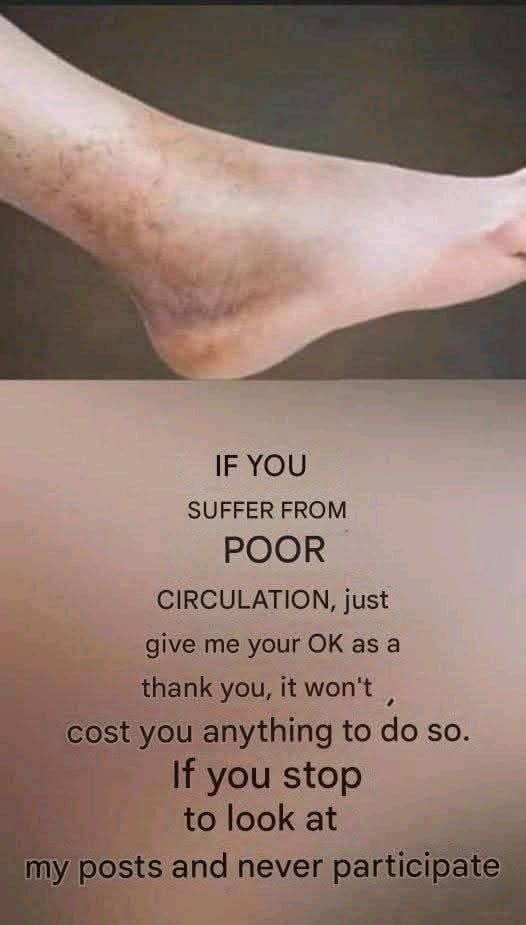
If your legs often feel heavy, numb, tingly, cold, swollen, or crampy, it can be related to poor circulation—but there isn’t a single “one-size-fits-all” solution. The right approach depends on what’s actually causing it.
Here’s a clear, grounded way to think about it:
What those symptoms might mean
Poor circulation in the legs is often linked to conditions like:
- Peripheral Artery Disease (reduced blood flow due to narrowed arteries)
- Chronic Venous Insufficiency (blood pooling in the legs)
- Varicose Veins
- Nerve-related issues (like sciatica or neuropathy)
So before jumping to a “solution,” it’s important to match the fix to the cause.
What actually helps (for most people)
1. Move more—consistently
Walking is one of the simplest and most effective ways to improve circulation. Even 20–30 minutes daily helps blood flow return from your legs.
2. Elevate your legs
Raising your legs above heart level for 10–15 minutes can reduce swelling and improve venous return.
3. Compression socks
These gently squeeze your legs to help blood flow upward. They’re especially helpful if you stand or sit for long periods.
4. Stay hydrated
Dehydration can thicken blood and worsen circulation.
5. Improve diet
Focus on foods that support vascular health:
- Leafy greens
- Fruits rich in antioxidants
- Omega-3 sources (fish, seeds)
6. Avoid long periods of sitting or standing
If you sit a lot, try:
- Standing up every 30–60 minutes
- Doing ankle pumps or calf raises
When to take it seriously
Don’t ignore symptoms if you notice:
- Pain when walking that improves with rest
- Persistent swelling in one leg
- Skin color changes (bluish, pale, or reddish)
- Open sores that heal slowly
These could signal something more serious like Peripheral Artery Disease or a clot, and you should get checked by a doctor.
The “real solution”
There isn’t a magic fix—but regular movement + circulation-friendly habits + identifying the root cause is what actually works.
If you want, tell me exactly what your legs feel like (e.g., numbness vs swelling vs pain), and I can narrow down what’s most likely going on and what would help most.
