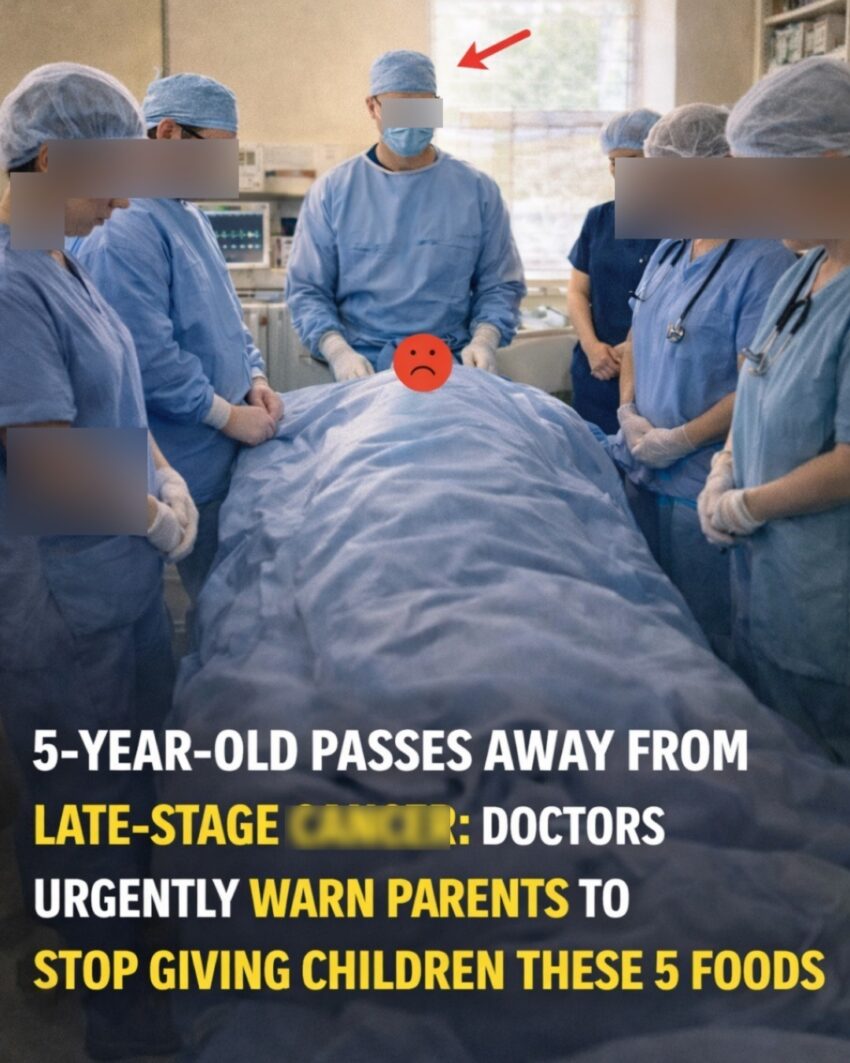
That kind of headline is designed to sound urgent, but there aren’t universally “forbidden” foods that every child must immediately stop eating. What matters more is frequency, portion size, and overall diet quality.
That said, there are foods that are commonly recommended to limit or avoid for children because of well-established health risks:
1) Sugary drinks (soda, sweetened juices, energy drinks)
These are one of the biggest contributors to childhood obesity and tooth decay. Even “fruit drinks” often contain mostly added sugar rather than real fruit nutrition.
2) Ultra-processed snacks (chips, packaged cookies, instant noodles)
They tend to be high in salt, sugar, and unhealthy fats, while being low in fiber and nutrients. Occasional use is fine, but regular intake crowds out healthier foods.
3) Processed meats (sausages, hot dogs, nuggets with low meat content)
These often contain high sodium, preservatives, and additives. Frequent consumption is linked to poorer long-term health outcomes.
4) High-mercury fish (like shark, swordfish, king mackerel)
Mercury can affect brain development in children, so safer fish choices like salmon or sardines are generally preferred.
5) Foods that are choking hazards for young children (whole grapes, nuts, hard candies, popcorn for toddlers)
For small kids especially, the issue isn’t nutrition—it’s physical safety. These foods need careful preparation or avoidance depending on age.
A more useful way to think about it is: no single food is automatically “dangerous” in isolation, but some foods should be rare, some should be modified for safety, and most of a child’s diet should be whole, minimally processed foods.
If you want, I can turn this into a simple “safe vs limit vs avoid” chart tailored to your child’s age.
