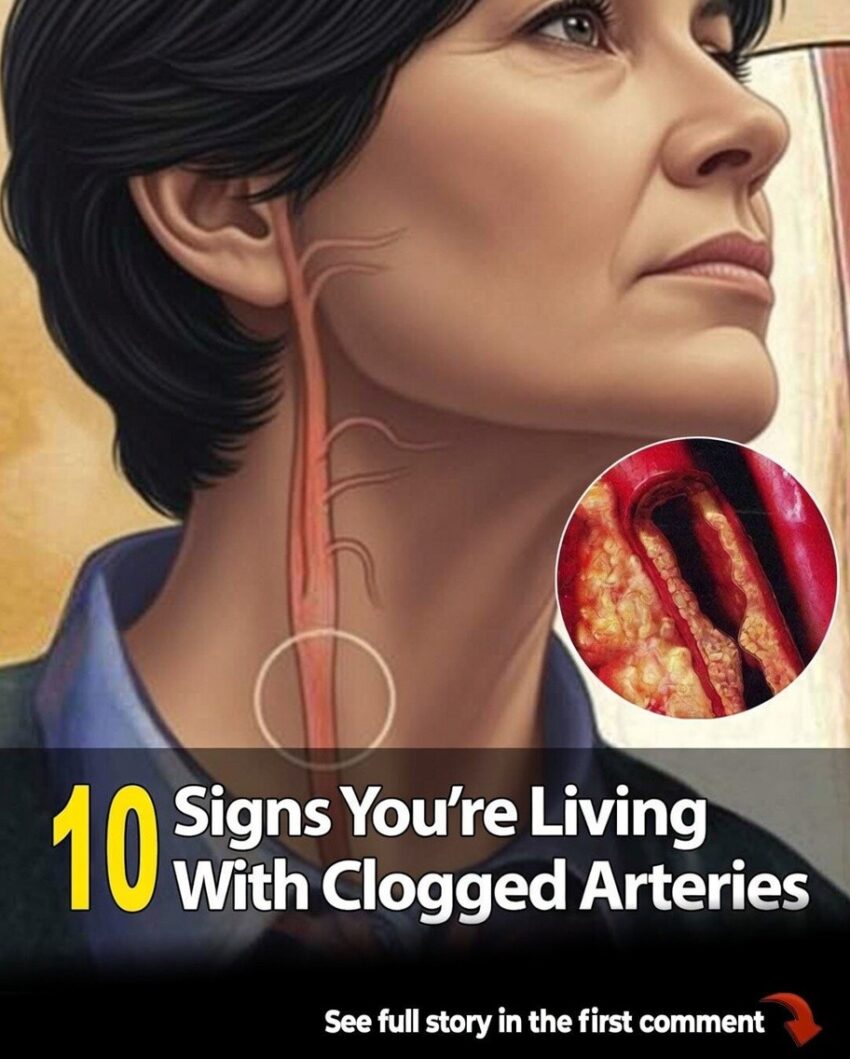
“Clogged arteries” usually refers to atherosclerosis, a condition where fatty deposits (plaques) build up inside artery walls and restrict blood flow. It can develop silently for years, so symptoms often show up only when narrowing becomes significant.
Here are 10 signs to watch for:
1) Chest pain or pressure (angina)
A tight, squeezing, or heavy feeling in the chest—often triggered by exertion or stress. This can signal reduced blood flow to the heart.
2) Shortness of breath
If your heart isn’t pumping efficiently due to narrowed arteries, you may feel breathless even during mild activity.
3) Fatigue or low energy
Poor circulation means your muscles and organs may not get enough oxygen-rich blood, leading to unusual tiredness.
4) Pain in legs while walking (claudication)
Cramping, aching, or heaviness in the calves or thighs during walking that improves with rest may indicate peripheral artery disease.
5) Cold hands or feet
Reduced blood flow to extremities can make them feel unusually cold compared to the rest of the body.
6) Numbness or weakness
Poor circulation to nerves and tissues can cause tingling, numbness, or weakness in arms or legs.
7) Slow-healing wounds
Cuts or sores—especially on the legs or feet—that take longer to heal may indicate reduced blood supply.
8) Erectile dysfunction
In men, narrowed arteries can reduce blood flow needed for normal erectile function and may be an early warning sign of vascular disease.
9) Dizziness or difficulty speaking (possible stroke warning)
If arteries supplying the brain are affected, symptoms like sudden dizziness, confusion, or speech problems can occur. This is urgent.
10) Neck or carotid artery symptoms
Sometimes a doctor may detect a “whooshing” sound (bruit) in the neck, or you may experience unexplained headaches or vision changes.
Important note
Many people with early atherosclerosis have no symptoms at all until a major event like a heart attack or stroke occurs.
Risk factors include smoking, high cholesterol, high blood pressure, diabetes, obesity, and a sedentary lifestyle.
If you’re noticing several of these signs—especially chest pain, breathlessness, or leg pain—it’s important to get evaluated by a healthcare professional. Early detection can significantly reduce the risk of serious complications.
