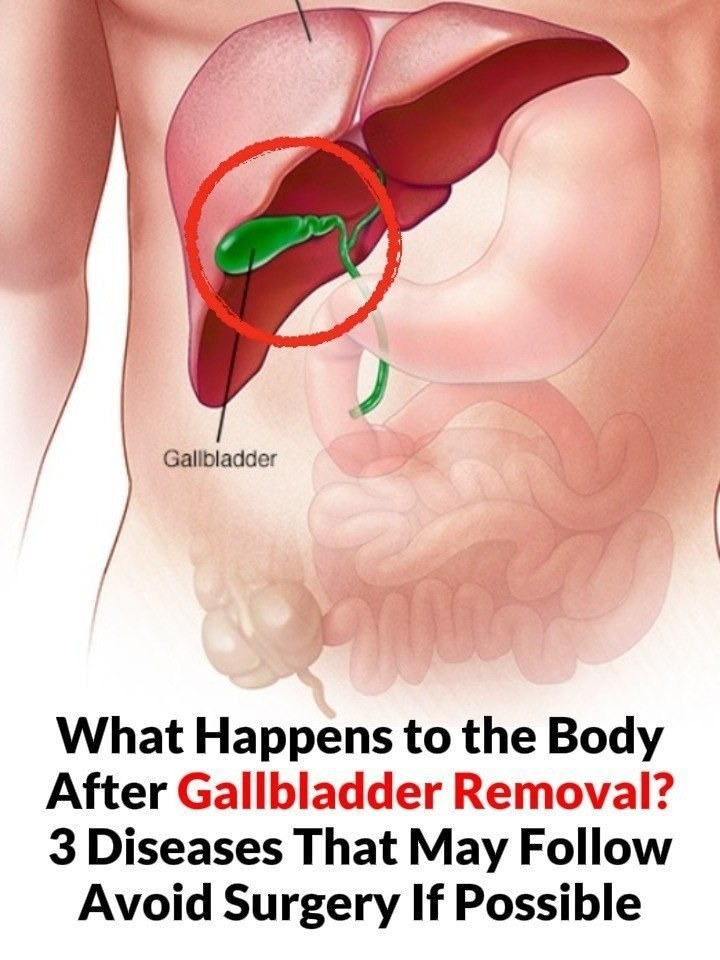
The claim “you should avoid gallbladder removal when possible” is an oversimplification that can be misleading. A cholecystectomy (gallbladder removal) is not an optional lifestyle surgery in most cases—it’s usually done because the gallbladder is causing real, sometimes dangerous problems like gallstones blocking bile flow, infection (cholecystitis), or pancreatitis risk.
That said, it’s true that some people develop digestive symptoms after surgery. These are often grouped under “post-cholecystectomy symptoms,” and here are three of the more commonly discussed conditions:
1) Bile acid diarrhea (or chronic loose stools)
After the gallbladder is removed, bile flows continuously into the intestine instead of being stored and released in controlled amounts.
- This can irritate the intestines in some people
- Leads to urgency, frequent bowel movements, or loose stools after fatty meals
- Often manageable with diet changes or bile acid–binding medications
2) Bile reflux gastritis
Without the gallbladder’s storage function, bile may more easily flow backward into the stomach.
- Can cause burning pain, nausea, bloating, or “acid reflux–like” symptoms
- Sometimes confused with GERD, but bile—not acid—is the irritant
- Treated with medications and dietary adjustments
3) Sphincter of Oddi dysfunction (less common)
This involves abnormal tightening of the muscle that controls bile and pancreatic juice flow into the intestine.
- Can cause upper abdominal pain similar to gallbladder attacks
- Sometimes occurs after gallbladder removal, though it’s relatively rare
- Diagnosis can be complex and requires specialist evaluation
Important reality check
For most people, gallbladder removal is curative, not harmful long-term:
- The majority return to normal digestion within weeks to months
- Serious long-term complications are uncommon
- Leaving a diseased gallbladder untreated can be much riskier (infection, rupture, pancreatitis)
Bottom line
Gallbladder removal isn’t something to “avoid when possible” in general—it’s something to consider carefully when medically indicated. The decision is usually based on balancing:
- Ongoing pain or repeated attacks
- Risk of complications without surgery
- Likelihood of symptom relief after surgery
If you want, I can break down when doctors recommend surgery vs. when they try diet or medication first, which is where the real nuance actually is.
