Skip to content

EASY BAKEE

Menu
Menu

After Gallbladder Removal: 3 Conditions You Could Develop —

Posted on January 5, 2026 by Admin

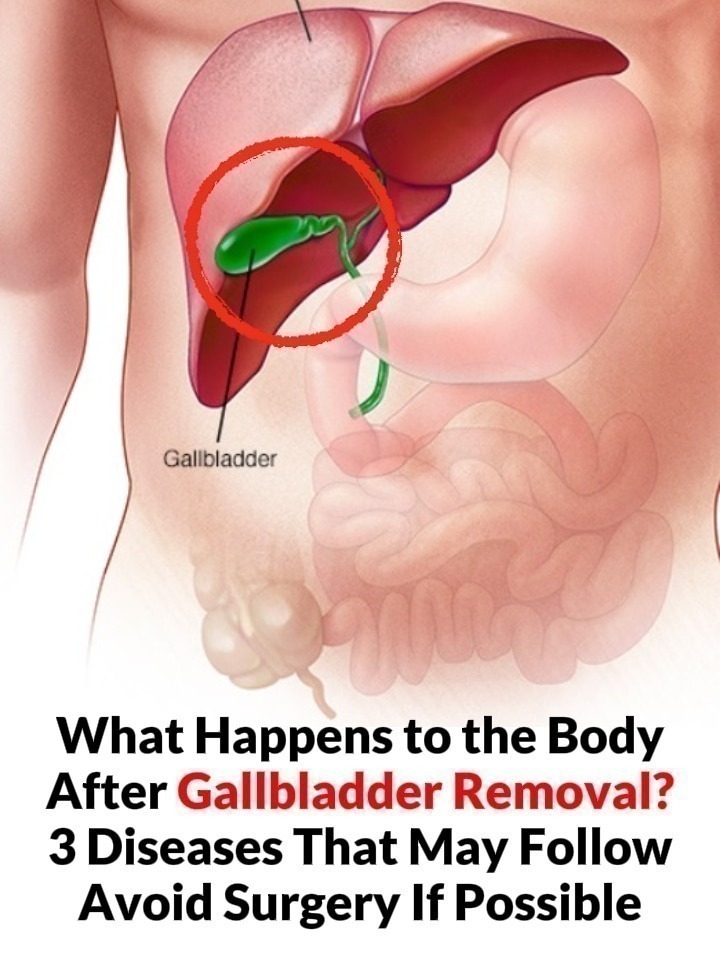
After gallbladder removal surgery (cholecystectomy), most people do fine — but some develop conditions or complications that can appear soon after the operation or even months to years later. Here are three key conditions you could develop and what to watch for: (Healthline)


1. Chronic or Bile‑Acid‑Related Diarrhea

What it is:
Some people experience persistent loose stools or diarrhea after the gallbladder is removed. Without the gallbladder storing and regulating bile, bile acids can continuously flow into the small intestine. This can overwhelm absorption and act like a laxative. (Mayo Clinic)

Symptoms

  • Frequent loose stools that may persist for weeks or longer
  • Urgency to go after meals
  • Gas and abdominal cramping

Why it happens:
Excess bile acids in the gut can irritate the bowel and speed up digestion. Up to about half of patients may have this initially, and a smaller percentage develop long‑term diarrhea. (Mayo Clinic)

Management:
Diet changes (lower fat intake) and sometimes medications that bind bile acids can help.


2. Post‑Cholecystectomy Syndrome (PCS)

What it is:
This is a term for a group of digestive symptoms that continue or start after surgery, similar to what people experienced before but without the gallbladder. (nhs.uk)

Common features

  • Abdominal pain or discomfort
  • Nausea or indigestion
  • Bloating and gas
  • Sometimes diarrhea or irregular bowel habits

Not everyone with symptoms has a clear underlying complication, but some may have functional issues like sphincter of Oddi dysfunction — a problem with the valve that controls bile and pancreatic juice flow. (Healthline)


3. New Blockages or Stones in the Bile Duct System

What it is:
Even though the gallbladder is gone, stones can still form in the bile ducts (e.g., the common bile duct) — called “de novo stones.” These can block bile flow and lead to more serious complications. (Oh My Gut)

Symptoms

  • Severe abdominal pain
  • Jaundice (yellowing of the skin/eyes)
  • Dark urine and pale stools
  • Nausea and vomiting

Why this matters:
Bile duct stones can cause obstructive symptoms or even pancreatitis, and they often require procedures like an ERCP to remove them. (Oh My Gut)


⚠️ When to Seek Medical Help

Contact a doctor if you develop any of these after gallbladder removal:

  • Constant or worsening abdominal pain
  • Severe or long‑lasting diarrhea
  • Fever, chills, or signs of infection
  • Jaundice (yellow skin/eyes)
  • Unintended weight loss

These may signal a complication that needs evaluation. (nhs.uk)


🧠 Bottom Line

While most people recover well from gallbladder removal, a minority may develop:

  1. Bile‑acid related diarrhea
  2. Post‑cholecystectomy syndrome
  3. New bile duct stones or blockages

Monitoring symptoms and talking with your healthcare provider helps ensure any issues are caught and managed early. (Healthline)

Leave a Reply Cancel reply

Your email address will not be published. Required fields are marked *

Recent Posts

  • Normal blood pressure values by age: a complete guide
  • The 10 Metoprolol Side Effects Your Doctor is PRAYING You Don’t Discover
  • Did You Know That Waking Up At 3 Or 4 In The Morning Is A Clear Sign Of…
  • # 12 Worst Side Effects of Amlodipine You Should NEVER Ignore!
  • 23 Strange Signs Your Kidneys Might Be in Trouble

Recent Comments

No comments to show.

Archives

  • February 2026
  • January 2026
  • December 2025
  • November 2025
  • October 2025

Categories

  • blog
©2026 EASY BAKEE | Design: Newspaperly WordPress Theme