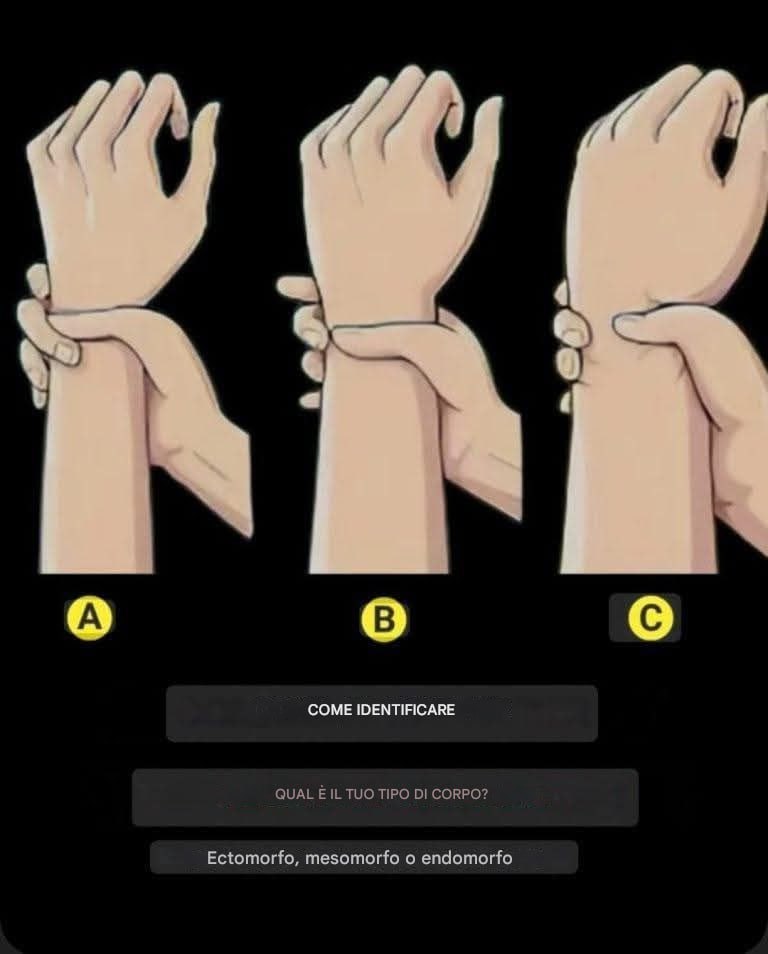
The concept of body types—ectomorph, mesomorph, and endomorph—comes from somatotype theory, which categorizes people based on natural physique, metabolism, and tendencies for fat or muscle gain. While it’s not a strict medical classification, it can help guide fitness and nutrition strategies.
1. Ectomorph
- Build: Thin, lean, narrow shoulders and hips
- Metabolism: Fast, burns calories quickly
- Tendencies: Struggles to gain weight or muscle, low body fat
- Exercise Tips: Focus on strength training with moderate cardio. Limit excessive aerobic exercise.
- Diet Tips: Higher calorie intake with more protein and healthy fats to support muscle gain.
2. Mesomorph
- Build: Naturally muscular, wide shoulders, narrow waist
- Metabolism: Efficient, gains muscle relatively easily
- Tendencies: Can gain or lose weight fairly easily, athletic build
- Exercise Tips: Balanced mix of strength and cardio works best.
- Diet Tips: Moderate calorie intake, balanced macros, protein to support muscle growth.
3. Endomorph
- Build: Rounder, softer, wider hips and waist
- Metabolism: Slower, prone to storing fat
- Tendencies: Gains weight easily, struggles to lose fat
- Exercise Tips: Combine strength training with regular cardio to boost metabolism.
- Diet Tips: Focus on high-protein, moderate-carb, low-sugar diet, portion control.
⚠️ Important Notes
- Most people are a combination of types rather than purely one somatotype.
- Body type is genetic tendency, not destiny—lifestyle, nutrition, and exercise greatly influence your physique.
- Avoid over-focusing on type; instead, use it as a guide to optimize workouts and diet.
✅ Bottom line:
Knowing whether you lean more toward ectomorph, mesomorph, or endomorph can help tailor your fitness plan, but consistent exercise and a balanced diet are key for all body types.
If you want, I can make a quick quiz to figure out your dominant body type and the best workout plan for it.
