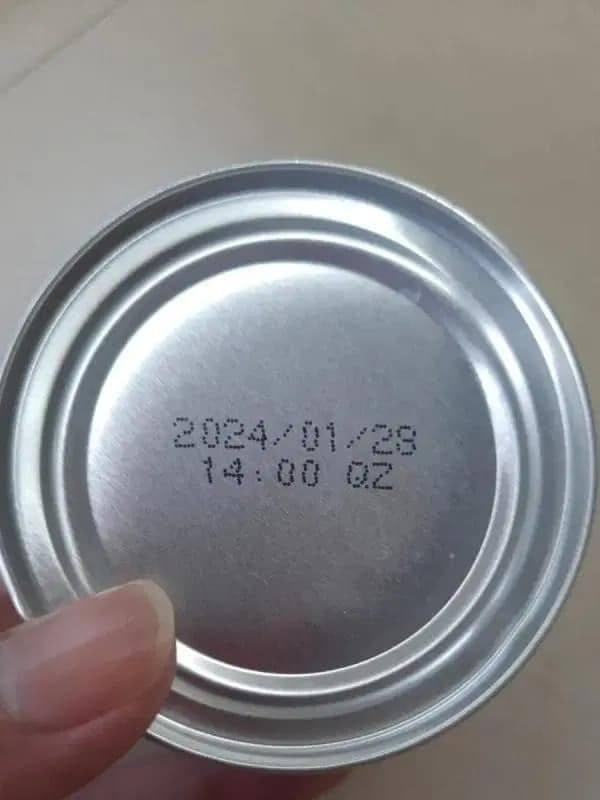
Food expiration labels are often misunderstood, and that leads to a lot of unnecessary food waste.
Here’s a clear breakdown of what they actually mean and how to use them safely.
🏷️ Types of Food Date Labels
📦 “Best Before” / “Best By”
- Means: quality, not safety
- Food may lose taste, texture, or freshness after this date
- Often still safe to eat if stored properly
Example:
- Biscuits may become less crunchy but still edible
⏳ “Use By”
- Means: safety-related
- Found on perishable foods (meat, dairy, ready meals)
- After this date, risk of foodborne illness increases
This is the one you should take seriously.
🥛 “Sell By”
- For store management only
- Tells shops how long to display the product
- Food is often still safe after purchase
🧠 Key idea
Food labels are about:
- Quality (taste/texture) vs
- Safety (risk of illness)
Most confusion comes from treating all labels as strict expiration dates.
⚠️ When food is NOT safe (regardless of date)
Do NOT eat if you notice:
- Bad smell
- Mold (especially on soft foods)
- Slimy texture (meat, dairy)
- Strange color changes
- Bulging cans or leaking packaging
🧊 Storage matters more than dates
Food can last longer or spoil faster depending on:
- Refrigerator temperature
- How often it’s opened
- Exposure to air and moisture
🧠 Simple rule of thumb
- “Best before” → often still okay after date
- “Use by” → don’t risk it after date
- When in doubt → check smell, look, and texture
🚨 Bottom line
Expiration dates are guidelines, not absolute timers (except “use by” for perishables). Proper storage and common sense matter just as much.
If you want, I can give you a quick list of foods that are safe to eat weeks or even months after their “best before” date—you might be surprised how many there are.
