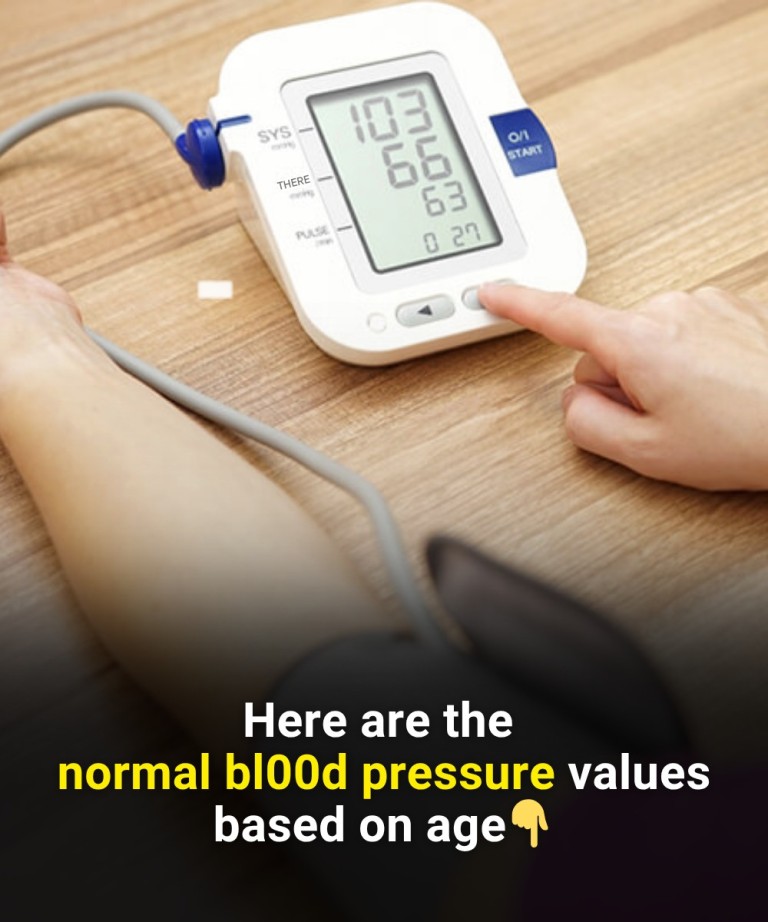
Here’s a clear, practical guide to normal blood pressure values by age, plus how to read the numbers and when to be concerned.
First: what blood pressure numbers mean
Blood pressure is written as systolic / diastolic (for example, 120/80 mmHg):
- Systolic (top number): pressure when the heart beats
- Diastolic (bottom number): pressure when the heart rests between beats
Both numbers matter.
Normal blood pressure by age (general reference)
⚠️ Important: Modern medical guidelines define normal blood pressure the same for most adults, regardless of age. Older charts showing “higher is OK with age” are mostly outdated. Still, average values do tend to rise slightly over time, which is why age-based tables are often shown.
Children and teens (approximate)
| Age | Normal BP (mmHg) |
|---|---|
| Newborn (0–1 mo) | 60–90 / 20–60 |
| Infant (1–12 mo) | 80–100 / 55–65 |
| Toddler (1–3 yrs) | 90–105 / 55–70 |
| Preschool (3–5 yrs) | 95–110 / 60–75 |
| School age (6–12 yrs) | 100–120 / 60–75 |
| Teen (13–17 yrs) | 110–130 / 65–85 |
👉 For children, “normal” also depends on height and sex, so doctors use percentile charts.
Adults (18+ years)
| Age | Typical Average BP | Clinically Normal Target |
|---|---|---|
| 18–39 | ~110–120 / 70–80 | <120 / <80 |
| 40–59 | ~120–130 / 75–85 | <120 / <80 |
| 60+ | ~130–140 / 75–85 | <130 / <80 (often individualized) |
Official adult blood pressure categories (used by doctors)
| Category | Systolic | Diastolic |
|---|---|---|
| Normal | <120 | and <80 |
| Elevated | 120–129 | and <80 |
| Hypertension – Stage 1 | 130–139 | or 80–89 |
| Hypertension – Stage 2 | ≥140 | or ≥90 |
| Hypertensive crisis | ≥180 | and/or ≥120 |
If either number is high, the category is based on the higher reading.
What’s considered “good” vs “acceptable” in older adults
- Many adults over 65 feel fine at 120–130 systolic
- Doctors may allow slightly higher targets if:
- There’s dizziness or fall risk
- Multiple medications are involved
- Other medical conditions exist
💡 The goal is control without side effects, not chasing a perfect number.
When to worry
You should talk to a healthcare provider if:
- Readings are consistently ≥130/80
- You have symptoms like headaches, chest pain, dizziness, or shortness of breath
- Home readings are much higher than clinic readings (or vice versa)
🚨 Seek urgent care if readings are 180/120 or higher, especially with symptoms.
Tips for accurate blood pressure readings
- Sit quietly for 5 minutes
- Feet flat on the floor, back supported
- Arm at heart level
- No caffeine, nicotine, or exercise 30 minutes before
- Take 2 readings and average them
If you want, I can:
- Personalize this for your age or a specific reading
- Explain low blood pressure by age
- Help interpret home BP monitor results
- Compare American vs European guidelines
Just say the word 💙
