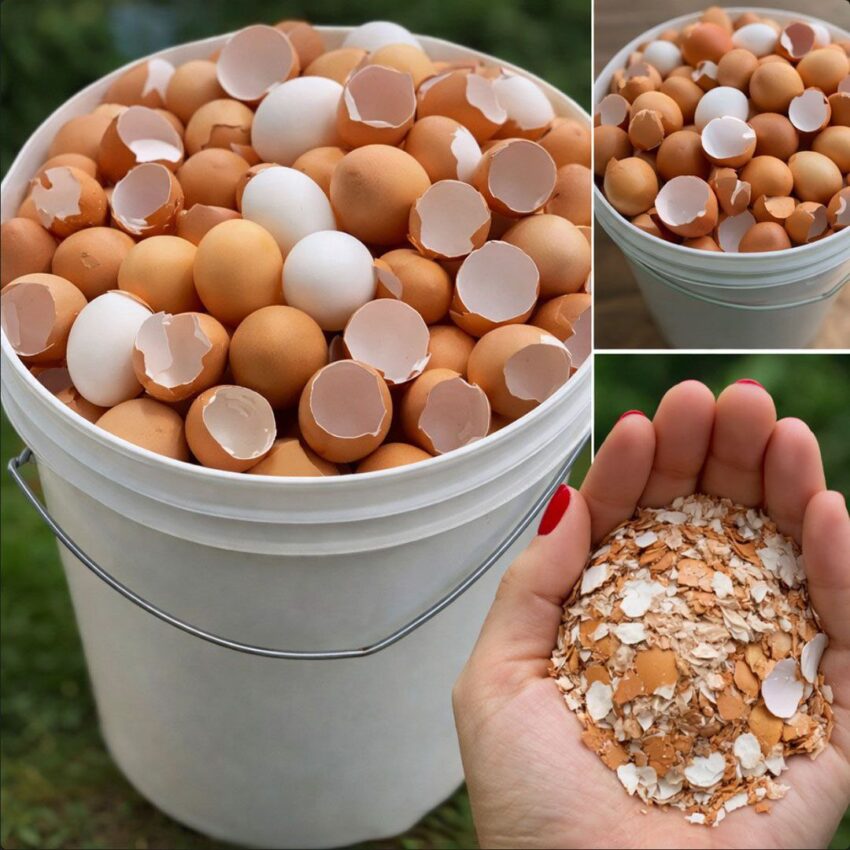
Headlines like “Stop throwing them away. Boil eggshells and say goodbye to…” usually exaggerate the benefits. Eggshells can be useful — but they are not a miracle cure.
Here’s what boiling eggshells is actually good for, and what it’s not.
🥚 What Eggshells Really Contain
Eggshells are made mostly of:
- Calcium carbonate
- Small amounts of magnesium and trace minerals
They can be repurposed safely in certain ways.
✅ 4 Practical Uses for Boiled Eggshells
1️⃣ Garden Fertilizer
Crushed, boiled eggshells:
- Add calcium to soil
- Help prevent blossom end rot in tomatoes and peppers
- Improve compost quality
Boiling helps sterilize bacteria before use.
2️⃣ Natural Pest Deterrent
Crushed shells around plants may:
- Deter slugs and snails
- Discourage some crawling insects
(Results vary — not guaranteed.)
3️⃣ Mild Calcium Supplement (With Caution)
Some people dry, grind, and consume powdered eggshells as a calcium source.
⚠ Important:
- Must be thoroughly cleaned, boiled, dried, and finely powdered.
- Risk of contamination if not prepared correctly.
- Not recommended without discussing with a healthcare provider.
- Not a treatment for osteoporosis or bone disease.
4️⃣ Household Scrubbing Aid
Crushed shells can act as:
- A mild abrasive for cleaning pots and pans
🚫 What Eggshell Water Will NOT Do
There is no scientific evidence that boiled eggshell water:
- Cures diabetes
- Relieves chronic bone pain
- Fixes anxiety or depression
- Detoxifies the body
- Replaces medical calcium therapy
Be cautious of viral claims promising dramatic health effects.
⚠️ Safety Tips
- Always boil shells for at least 10 minutes before reuse.
- Dry completely before crushing.
- Do not give homemade eggshell powder to children without medical guidance.
Bottom Line
Eggshells are useful — especially for gardening and compost — but they are not a miracle health remedy.
If you saw a specific claim about what eggshells supposedly cure, tell me what it said, and I’ll explain whether it’s fact or fiction.
