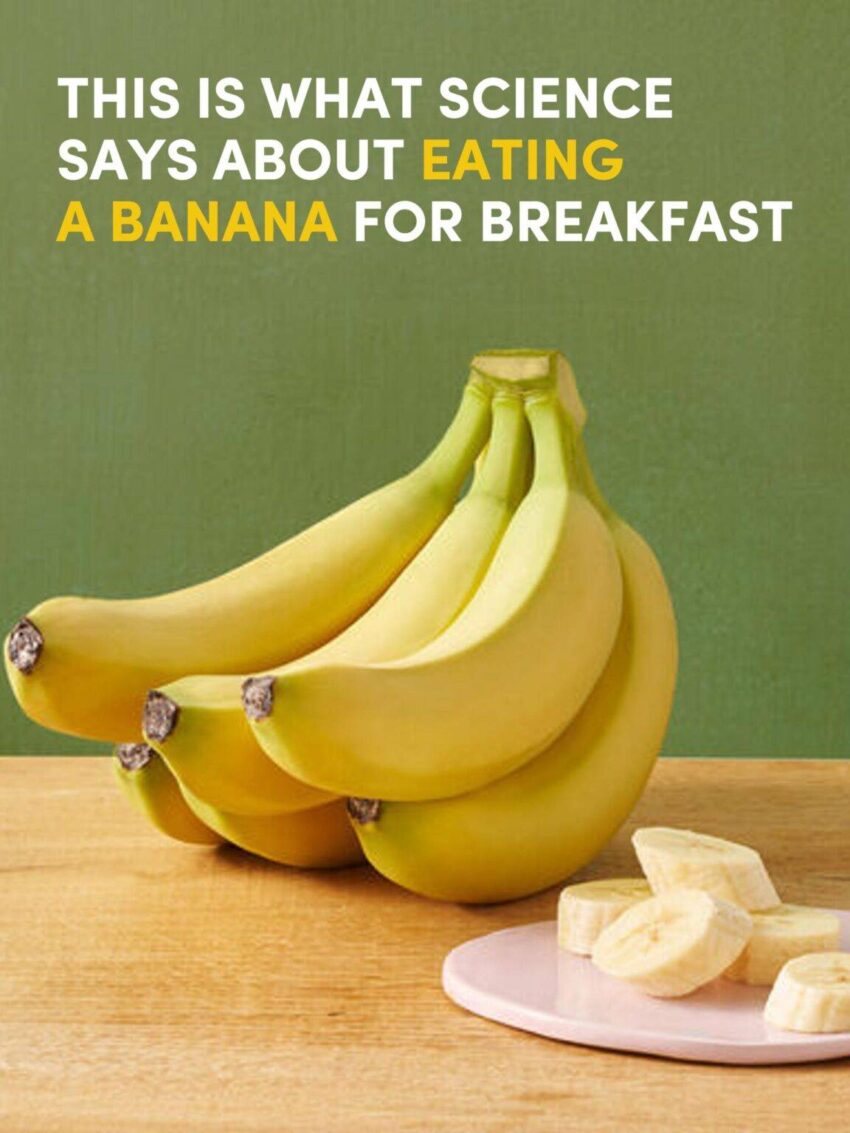
This Is What Science Says About Eating a Banana for Breakfast
Bananas are one of the most popular fruits worldwide, and many people enjoy them for breakfast. But what actually happens in your body when you eat a banana first thing in the morning? Science provides some interesting insights into the benefits—and a few considerations—of starting your day with this sweet, nutrient-rich fruit.
1. Provides Quick Energy
Bananas are rich in natural sugars like glucose, fructose, and sucrose. These sugars are quickly absorbed by your body, making bananas an excellent source of instant energy in the morning.
- Ideal for people who need a pre-workout boost.
- Helps wake up your metabolism after fasting overnight.
Tip: Pairing a banana with protein or healthy fats, like peanut butter or yogurt, can provide longer-lasting energy.
2. Supports Digestive Health
Bananas contain dietary fiber, particularly soluble fiber (like pectin), which aids digestion. Eating a banana for breakfast can:
- Help regulate bowel movements
- Promote feelings of fullness, preventing mid-morning cravings
- Support gut health by feeding beneficial bacteria in the intestines
Bananas are gentle on the stomach, making them suitable for people with mild digestive issues.
3. Rich in Essential Nutrients
Bananas provide a range of vitamins and minerals, including:
- Potassium: Supports heart health and maintains healthy blood pressure
- Vitamin C: Boosts immunity and protects cells from oxidative stress
- Vitamin B6: Aids brain function and metabolism
- Magnesium: Important for muscle and nerve function
Eating a banana for breakfast is a simple way to get a nutrient boost early in the day.
4. May Help with Satiety and Weight Management
Because of their fiber content and natural sugars, bananas can help you feel full. Research suggests that starting the day with fruit may:
- Reduce calorie intake later in the day
- Support healthier eating habits
- Help maintain stable blood sugar levels when paired with protein
However, eating a banana alone may cause a rapid spike in blood sugar, so pairing it with protein or fat is recommended for better blood sugar control.
5. Supports Heart Health
Potassium in bananas helps regulate blood pressure and supports proper heart function. Regularly including potassium-rich foods like bananas in your diet has been linked to:
- Lower risk of stroke
- Improved cardiovascular health
- Better fluid and electrolyte balance
6. Considerations
While bananas are generally healthy, some factors to consider include:
- Blood sugar concerns: Bananas have natural sugars that may cause a spike in glucose if eaten alone, especially for people with diabetes.
- Ripeness matters: Riper bananas have more sugar and fewer resistant starches, while slightly green bananas have more resistant starch that can aid digestion.
- Calorie awareness: One medium banana contains about 100 calories, so factor it into your overall breakfast.
Bottom Line
Eating a banana for breakfast is generally a healthy choice, offering quick energy, essential nutrients, fiber for digestion, and heart-supporting potassium. For a more balanced meal, consider pairing it with:
- Greek yogurt or cottage cheese (protein)
- Nut butter (healthy fats)
- Whole grain toast or oatmeal (complex carbs)
This combination helps sustain energy, stabilize blood sugar, and keep you fuller for longer.
Bananas are convenient, portable, and delicious—making them one of the simplest ways to kickstart your day the healthy way. 🍌
If you want, I can also make a list of 5 science-backed breakfast combos that include bananas for maximum energy and satiety. Do you want me to do that?
