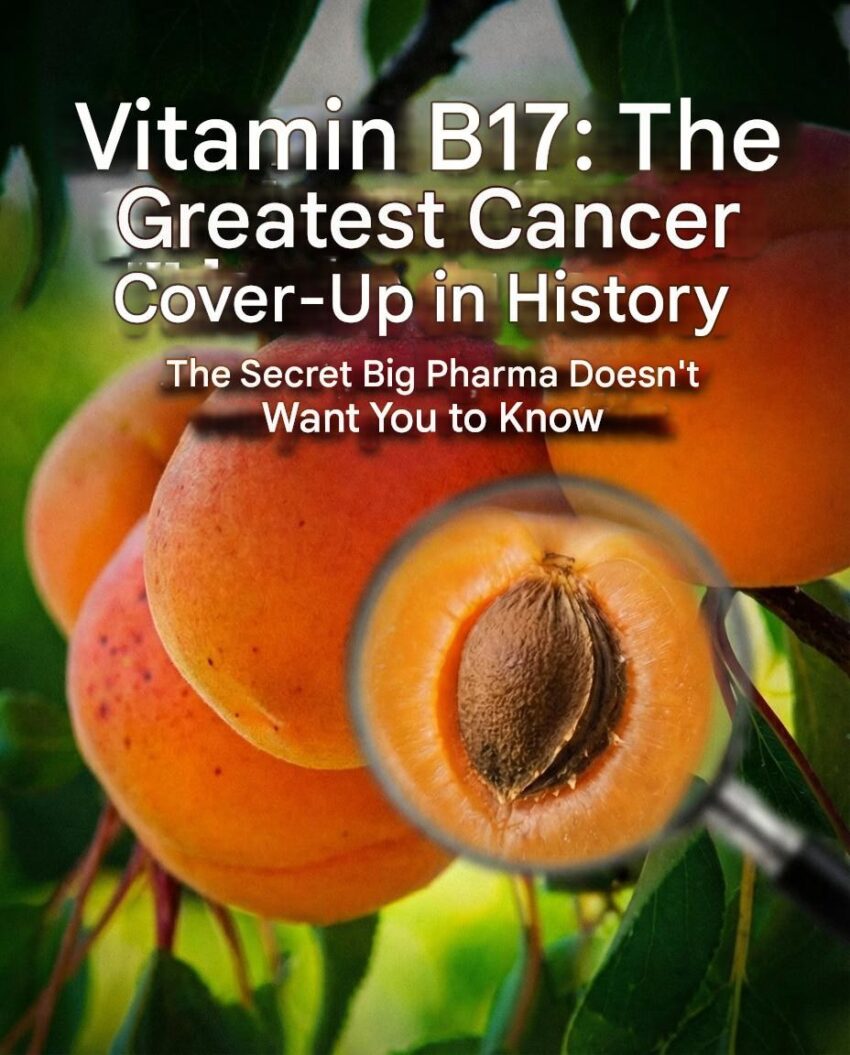
Here’s a fact-based, safe explanation about Vitamin B17 (also called amygdalin or laetrile) and claims around it, so you understand the controversy without being misled:
Vitamin B17 / Laetrile: What You Should Know
What It Is
- Found naturally in the kernels of apricots, almonds, and some other seeds
- Sometimes marketed as a “vitamin” that can treat or prevent cancer
The Claims
- Some sources claim Vitamin B17 is a cancer cure or that it has been suppressed by medical authorities
- This idea has been circulating since the 1950s
What Science Says
- No strong evidence shows B17 cures or prevents cancer
- Studies have found no clear benefit, and it is not approved by the FDA
- The chemical can release cyanide in the body, which can be toxic or fatal in large amounts
Health Risks
- Nausea, vomiting, headache
- Low blood pressure, dizziness
- Cyanide poisoning (rare but serious)
Important Takeaway
- Vitamin B17 is not a safe or proven cancer treatment
- Relying on it instead of medical treatment can be dangerous
- Always consult a doctor or oncologist for evidence-based cancer care
💡 Bottom line:
While B17 is popular online as a “miracle cure,” there’s no scientific proof it works, and it carries real risks. Safe cancer prevention includes healthy lifestyle choices, regular screenings, and following medical advice.
If you want, I can make a “Vitamin B17: Myths vs Facts” chart that’s easy to share and understand.
