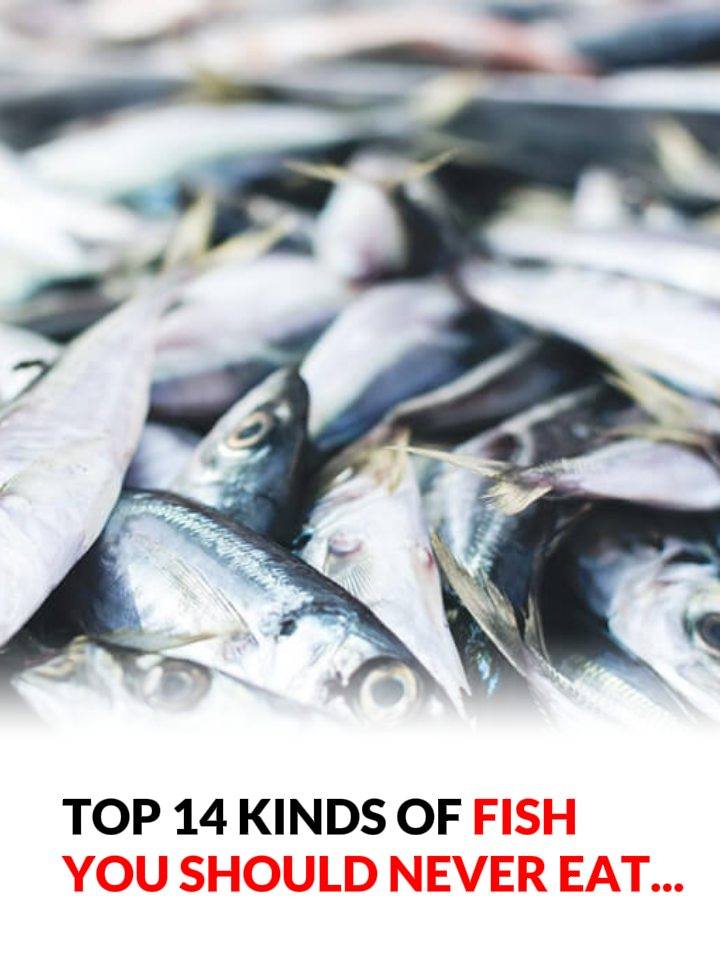
Here’s a scientifically grounded health alert about fish — not a panic headline — but important things you should really know before eating certain types of fish:
⚠️ Mercury: A Hidden Risk in Some Fish
Nearly all fish contain traces of Mercury, but some species have much higher levels than others. This mercury accumulates as you go up the food chain — the bigger and older the fish, the more it builds up. (U.S. Food and Drug Administration)
Mercury exposure can be harmful to:
- Brain and nerve development, especially in children and fetuses
- Cognitive and nervous system function in adults
- Heart and kidney health with long-term high exposure (U.S. Food and Drug Administration)
Fish You Should Avoid or Limit
These tend to have much higher mercury levels and are riskier, especially if eaten routinely or in large portions: (Verywell Fit)
High‑Mercury Fish (Consider Avoiding)
- Shark
- Swordfish
- King mackerel
- Marlin
- Tilefish (Gulf of Mexico)
- Bigeye tuna / large tuna varieties
These species are linked to mercury levels high enough that health agencies recommend avoiding them, particularly for pregnant or breastfeeding people, young children, and those eating fish regularly. (pvsfish.org)
🐠 Notable Toxins Beyond Mercury
There are other fish‑borne hazards too:
Ciguatera Toxins
Some tropical reef fish (like barracuda, grouper, and snapper) can carry a toxin called ciguatera. This toxin:
- Is not destroyed by cooking or freezing
- Can trigger neurological, GI, and cardiovascular symptoms
- May recur or have long‑term effects once exposed
- Can even be passed through breast milk in rare cases (Healthdirect)
General Safety Tips
✔ Choose small, short‑lived fish with lower mercury (e.g., salmon, sardines, cod). (Healthline)
✔ Limit larger predatory fish to occasional meals.
✔ If you catch fish locally, check local advisories for contaminants. (US EPA)
✔ Remove skin and organs where some toxins accumulate. (U.S. Food and Drug Administration)
What This Means for You
Eating fish can be healthy and beneficial — many are rich in omega‑3s — but not all fish are equal.
Regularly eating high‑mercury or toxin‑prone species can increase health risks over time, especially for vulnerable groups. (pvsfish.org)
Bottom Line
Don’t panic — fish is nutritious — but choose wisely:
- Favor low‑mercury options like salmon, sardines, and shrimp. (Healthline)
- Limit or avoid high‑mercury or toxin‑associated fish like shark, swordfish, king mackerel, tilefish, and large tuna. (Verywell Fit)
- Check local advisories if you eat locally caught fish. (US EPA)
If you want, I can make a simple list of safest fish to eat weekly and how often you can eat each one for best health. Just let me know!
