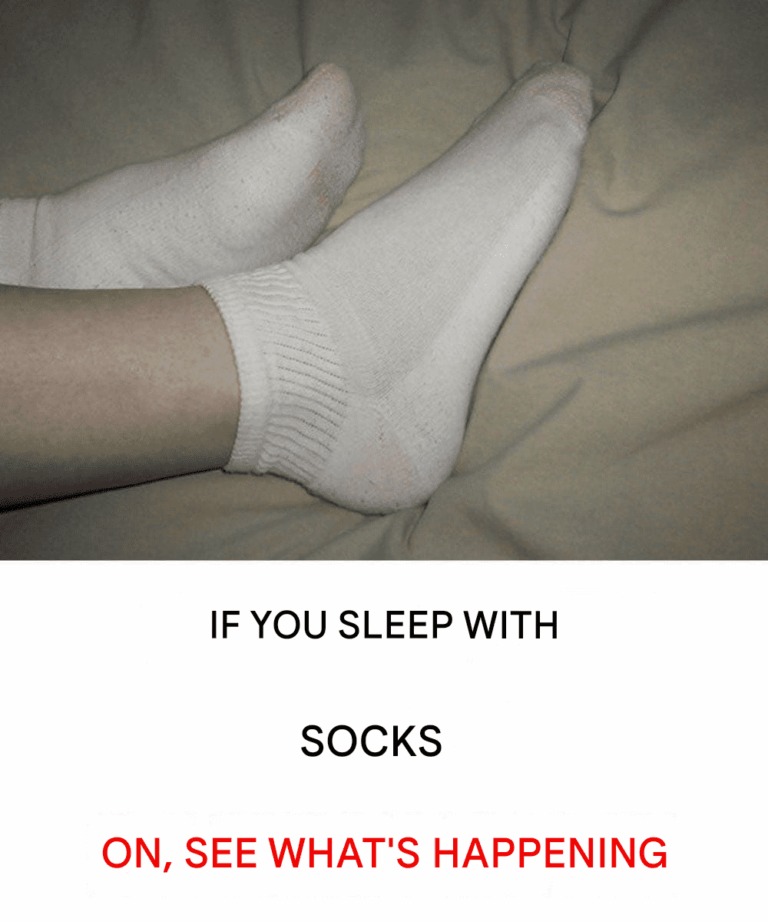
Here are the main reasons seniors are often advised to wear socks even when at home — especially if those socks are non‑slip, well‑fitting, and comfortable:
🦶 1. Keep Feet Warm
• As we age, circulation can slow down, making seniors more prone to cold feet.
• Cold feet can lead to discomfort, difficulty sleeping, and even increased risk of falls because muscles and reflexes work less efficiently when feet are cold.
⚠️ 2. Improve Safety & Reduce Falls
• Smooth floors (wood, tile, laminate) are common in many homes.
• Bare feet or regular socks without grip can slip easily — but non‑slip socks with rubber treads give much better traction.
• Falls are a major risk for seniors and can lead to fractures or hospitalizations, so better grip = less fall risk.
💧 3. Protect Against Injury
• Socks help protect feet from small cuts, scrapes, or irritation — especially if moving around barefoot.
• They can also reduce friction inside slippers or shoes, preventing blisters.
🧦 4. Maintain Foot Hygiene
• Socks can absorb sweat and help keep feet dry, reducing the chance of fungal infections, odors, and skin irritation.
• They create a barrier between skin and surfaces that might carry germs or allergens.
🔄 5. Comfort & Circulation
• Compression or cushioned socks can support circulation and reduce swelling in ankles and feet — common issues in many older adults.
• Warm, comfy socks can also improve overall comfort and help with relaxation.
🧠 6. Sensory & Balance Support
• Some seniors have reduced sensation in their feet. Socks with good padding and a snug fit can help stabilize the foot and improve balance feedback.
✅ Tips for Choosing the Right Socks for Seniors
- Non‑slip grips: Silicone or rubber treads on the sole reduce slipping.
- Good fit: Not too tight (avoid cutting off circulation), not too loose.
- Moisture‑wicking fabric: Keeps feet dry and comfy.
- Easy to put on: Look for stretchy or zipper/velcro styles if bending is hard.
If a senior has circulation problems, diabetes, or sensitive skin, picking the right sock material and fit becomes especially important — and it’s a good idea to ask a doctor or podiatrist for guidance.
