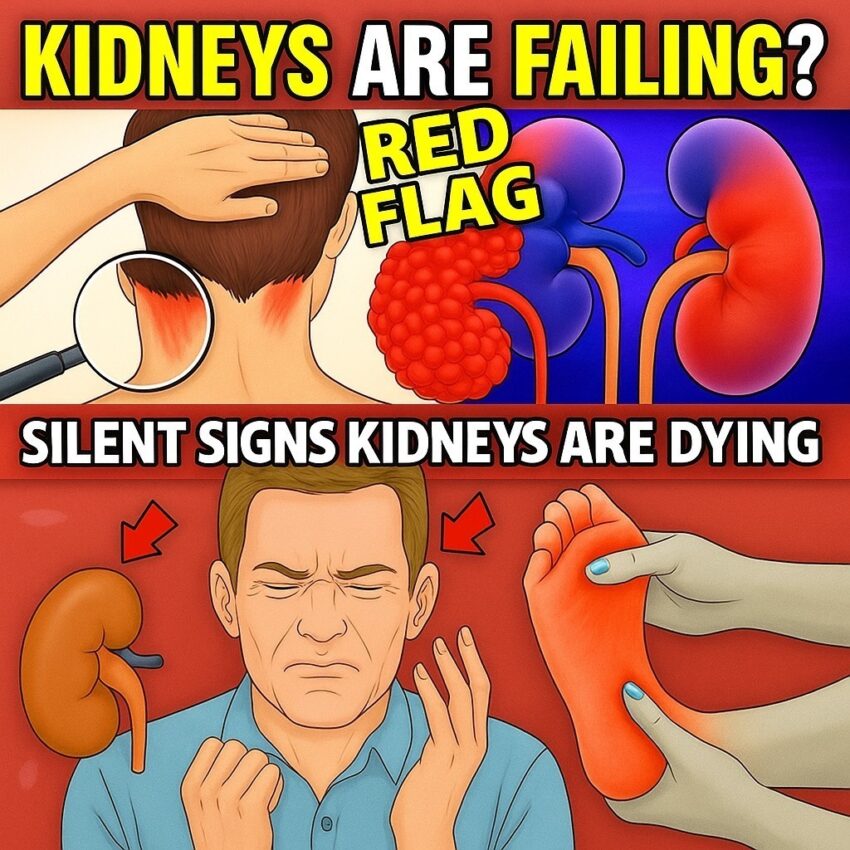
Kidney disease can progress quietly for a long time, and many people don’t notice symptoms until the damage is advanced. That’s why chronic kidney problems are often called a “silent condition.”
Below are 10 early or subtle warning signs your kidneys may not be working properly. These don’t automatically mean kidney failure, but they are worth medical attention—especially if several appear together or persist.
1. Constant fatigue or low energy
When kidneys are struggling, waste builds up in the blood (uremia), which can make you feel unusually tired, weak, or mentally “foggy.” Anemia caused by reduced kidney function can also contribute.
2. Swelling in feet, ankles, or face
Healthy kidneys remove extra fluid and sodium. When they fail to do this, fluid can accumulate, leading to puffiness—especially in the lower legs, around the eyes, or hands.
3. Changes in urination
This is one of the most important early clues:
- Urinating more often, especially at night
- Foamy or bubbly urine (possible protein leakage)
- Blood in urine (pink, red, or cola-colored)
- Passing less urine than normal
4. Persistent back or side pain
Pain near the lower back or just under the ribs may appear, especially if kidney stones, infection, or inflammation are involved.
5. Loss of appetite or nausea
When toxins build up in the blood, they can affect digestion, causing:
- Reduced appetite
- Nausea
- Occasional vomiting
- A metallic taste in the mouth
6. Itchy skin (without rash)
Kidneys help balance minerals like calcium and phosphorus. When they fail, imbalances can lead to persistent itching that doesn’t improve with creams.
7. Muscle cramps or twitching
Electrolyte imbalances (especially calcium, sodium, and potassium) can lead to painful cramps, restless legs, or muscle spasms.
8. Difficulty concentrating or memory issues
Toxin buildup and anemia can reduce oxygen delivery to the brain, causing:
- Brain fog
- Poor concentration
- Confusion in more advanced cases
9. High blood pressure that is hard to control
Kidneys help regulate blood pressure. Damaged kidneys can both cause and worsen hypertension, creating a dangerous cycle.
10. Shortness of breath
This can happen due to:
- Fluid buildup in the lungs
- Anemia reducing oxygen levels
- General fatigue weakening breathing efficiency
When to take these signs seriously
You should seek medical evaluation if you notice:
- Several symptoms at once
- Symptoms getting worse over weeks or months
- A history of diabetes, high blood pressure, or kidney disease in your family
Doctors usually check kidney health using:
- Blood tests (creatinine, eGFR)
- Urine tests (protein, blood)
- Blood pressure monitoring
Important note
These symptoms can also be caused by many other conditions, not just kidney disease. Only proper medical testing can confirm kidney problems such as chronic kidney disease (CKD).
If you want, I can also explain:
- Early-stage kidney disease vs kidney failure differences
- Foods that protect kidney health
- Or how kidney function tests work in simple terms
