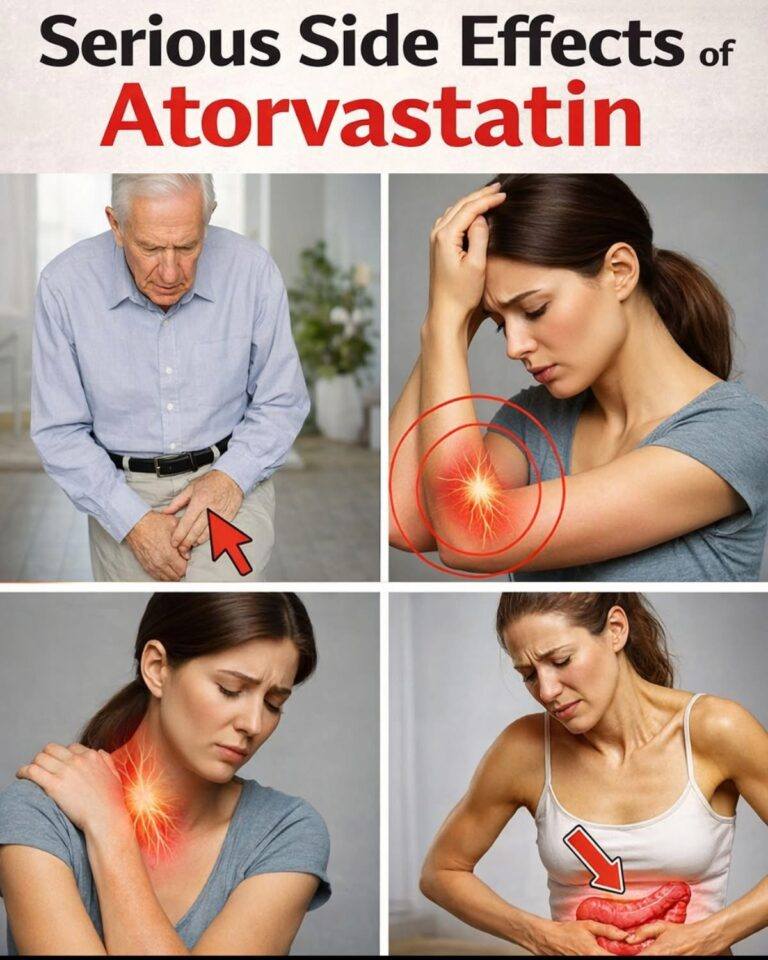
Atorvastatin (a commonly prescribed statin) is generally well-studied and safe for most people, but like all medicines it can have side effects—some more widely discussed than others. The idea that doctors “never mention” them is a bit misleading; most are known, but some are less emphasized because they’re uncommon or mild, or only show up in specific people.
Here are 15 less-talked-about or “under-discussed” effects of Atorvastatin, along with what you can realistically do about them if they appear.
1. Subtle memory or concentration changes
Some people report mild “brain fog” or forgetfulness. Research is mixed, and a clear cause-effect hasn’t been proven.
What you can do: Track symptoms. If persistent, discuss switching statins or adjusting dose.
2. Sleep disturbances
Vivid dreams or insomnia can occur in a small number of users.
What you can do: Try taking it in the morning (if your doctor agrees) or improve sleep hygiene.
3. Mild mood changes
Rare cases report irritability or low mood.
What you can do: Rule out other causes first (stress, vitamin deficiencies, thyroid issues).
4. Digestive discomfort
Bloating, gas, or mild nausea may happen, especially early in treatment.
What you can do: Take with food or switch timing.
5. Increased liver enzymes (usually silent)
Most people don’t feel this, but blood tests may show elevations.
What you can do: Routine liver function monitoring is standard.
6. Muscle aches (mild forms are common)
Not always severe; sometimes just stiffness or soreness.
What you can do: Light exercise, hydration, and checking vitamin D levels may help.
7. Reduced exercise tolerance
Some notice they tire more easily during workouts.
What you can do: Adjust training intensity; report persistent changes.
8. Slight increase in blood sugar
Statins can slightly raise glucose levels in some people.
What you can do: Monitor HbA1c if you’re at risk for diabetes.
9. Joint discomfort
Less common than muscle pain, but can occur.
What you can do: Differentiate from arthritis or overuse injuries.
10. Tingling or nerve sensations
Rare reports of mild neuropathy-like symptoms.
What you can do: Rule out diabetes, B12 deficiency, or other causes.
11. Skin reactions
Rashes or itching are uncommon but possible.
What you can do: Stop and seek medical advice if rash is persistent or spreading.
12. Sexual function changes
Some users report reduced libido, though evidence is inconsistent.
What you can do: Check hormones, stress, and cardiovascular health factors.
13. Mild swelling (edema)
Rare fluid retention, usually mild.
What you can do: Evaluate salt intake and rule out heart/kidney issues.
14. Headaches
Usually mild and temporary.
What you can do: Hydration and timing adjustment may help.
15. Rare muscle breakdown risk (rhabdomyolysis)
This is the serious one—but extremely rare. It involves severe muscle pain, weakness, and dark urine.
What you can do: Seek urgent care if these symptoms appear. Risk increases with certain drug interactions or high doses.
Key reality check
Most people taking atorvastatin experience no major side effects, and for those who do, they’re usually manageable or reversible. The cardiovascular benefits (lowering heart attack and stroke risk) are often far greater than the risks for people who actually need it.
When to contact a doctor
Don’t wait if you notice:
- Severe muscle pain or weakness
- Dark-colored urine
- Yellowing of skin/eyes
- Persistent unexplained fatigue
If you want, I can also break down:
- who is most likely to get side effects
- natural ways to reduce cholesterol alongside statins
- or how atorvastatin compares with other statins in side-effect risk
