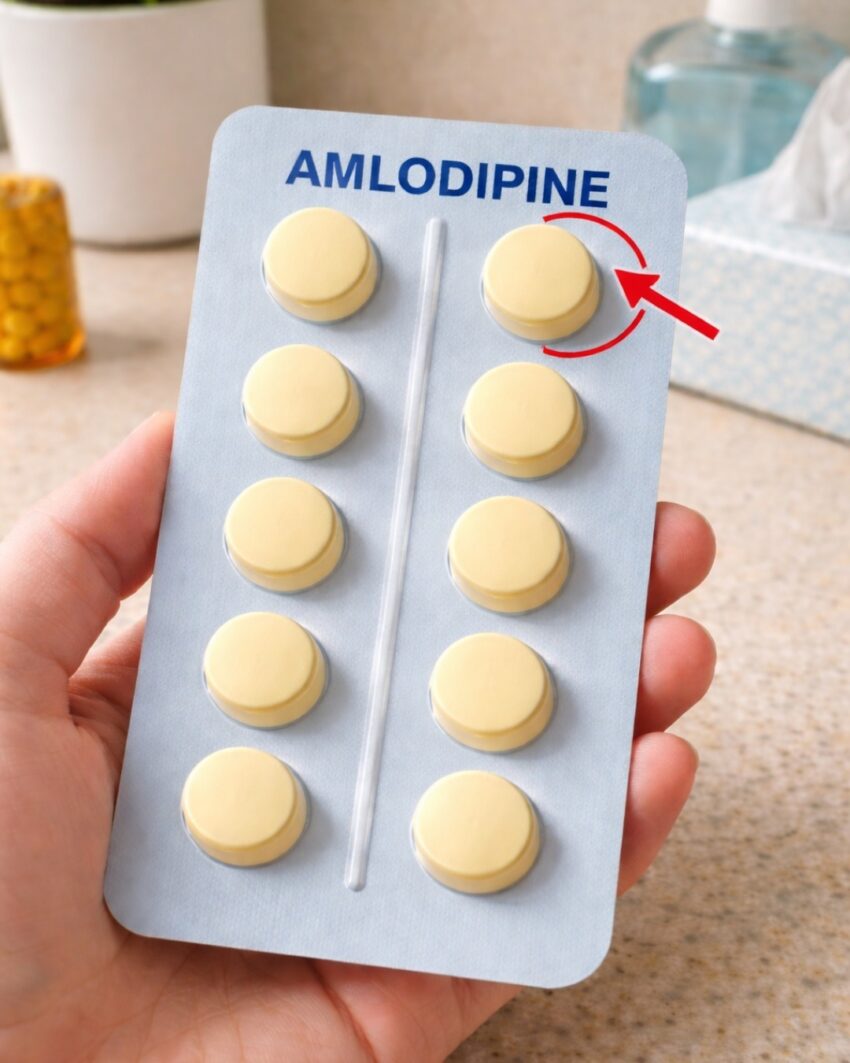
If you’re taking amlodipine (a calcium channel blocker used for high blood pressure and angina), your medication works best when certain habits don’t get in the way of its effect or your blood pressure control.
Here are 8 habits worth stopping or reducing this year—and why they matter:
1) Eating too much salty food
Why stop: High sodium (salt) makes your body retain water and raises blood pressure, which directly fights against what amlodipine is trying to control.
Common sources: chips, packaged snacks, pickles, instant noodles, restaurant food.
2) Skipping doses or “on-off” medication use
Why stop: Amlodipine works by keeping blood pressure steady over time. Irregular use can cause BP fluctuations and reduce protection for your heart and brain.
3) Heavy alcohol use
Why stop: Alcohol can lower blood pressure suddenly (causing dizziness) but also raise it long-term. It can also increase side effects like flushing, swelling, and heart palpitations.
4) Smoking
Why stop: Smoking damages blood vessels, raises blood pressure, and increases the risk of heart attack and stroke—even if you’re on medication like amlodipine.
5) Taking painkillers like NSAIDs too often
Why stop: Medicines such as ibuprofen or diclofenac can increase blood pressure and reduce how well antihypertensive drugs work.
6) High caffeine energy drinks or excess coffee
Why stop: Large amounts of caffeine can temporarily spike blood pressure and cause palpitations, making BP harder to control in some people.
7) Using decongestants (cold/flu meds) without caution
Why stop: Ingredients like pseudoephedrine can raise blood pressure and counteract your medication.
8) Overdoing grapefruit or grapefruit juice
Why stop (or be cautious): Grapefruit can affect the enzymes that break down some blood pressure medicines. With amlodipine, the effect is usually mild, but large or frequent intake may increase side effects like low blood pressure, dizziness, or swelling in some people.
A few extra notes that matter
- Swelling in ankles (a common amlodipine side effect) can worsen with prolonged sitting or high salt intake.
- Sedentary lifestyle doesn’t directly block the drug, but it reduces overall cardiovascular benefit.
- Herbal supplements (like St. John’s wort) can sometimes interfere with drug metabolism.
If you want, tell me your dose and any other medicines you’re taking—I can flag more specific interactions or lifestyle tweaks that apply to your situation.
