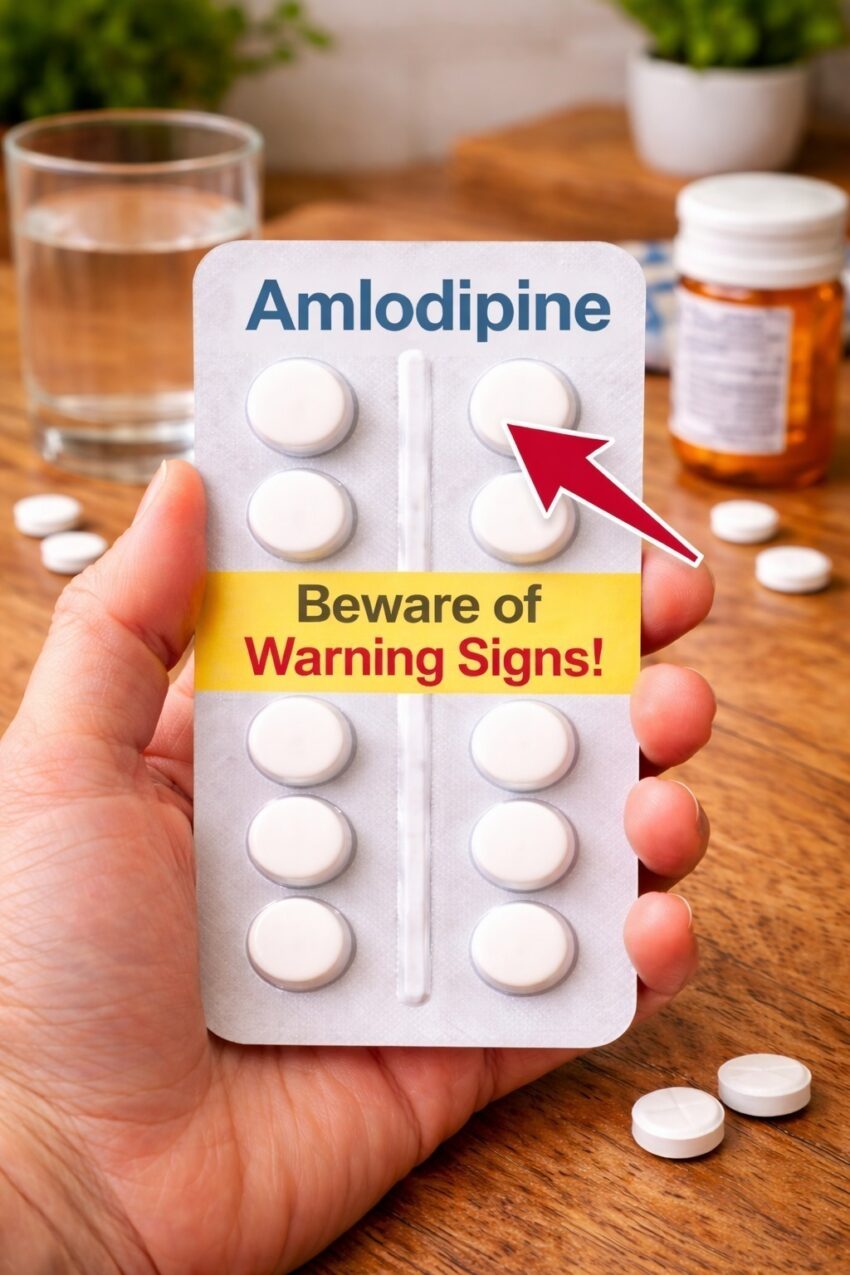
If you’re taking Amlodipine (a calcium channel blocker used for high blood pressure and chest pain), your medicine works best when a few common lifestyle and medication-related habits are avoided. These aren’t “strict rules for everyone,” but they are important patterns that can interfere with blood pressure control, increase side effects, or reduce the drug’s effectiveness.
Here are 8 habits to stop or strongly limit—and why they matter:
1. Regularly eating high-salt (high-sodium) foods
Fast food, packaged snacks, pickles, instant noodles, and processed meats can raise blood pressure and directly counteract amlodipine’s effect.
Why it matters: You may feel like the medicine “isn’t working” when the real issue is excess sodium holding your BP up.
2. Drinking grapefruit juice frequently
Grapefruit affects the CYP3A4 enzyme that helps break down amlodipine.
Why it matters: It can increase drug levels in your blood, leading to more side effects like swelling, flushing, or dizziness.
3. Skipping doses or taking it inconsistently
Some people take it only when they “feel BP is high.”
Why it matters: Amlodipine works by maintaining steady levels in your body. Irregular use reduces protection and increases BP variability.
4. Overusing painkillers like ibuprofen or diclofenac
Common NSAIDs are often used for headaches or body pain.
Why it matters: These can raise blood pressure and reduce the effectiveness of BP medications over time.
5. Heavy alcohol consumption
Even moderate-to-heavy drinking can interfere with blood pressure control.
Why it matters: Alcohol can worsen dizziness, increase BP fluctuations, and amplify amlodipine’s side effects like lightheadedness.
6. Self-medicating with cold/decongestant medicines
Many flu or cold tablets contain pseudoephedrine or similar stimulants.
Why it matters: These can raise blood pressure and directly oppose the effect of amlodipine.
7. Smoking or frequent nicotine use
Cigarettes and nicotine products tighten blood vessels.
Why it matters: This works against amlodipine’s goal of relaxing blood vessels, making BP harder to control.
8. Ignoring swelling in feet/ankles and continuing the same habits
Amlodipine can naturally cause mild swelling in some people.
Why it matters: High salt intake, long standing hours, and inactivity can worsen this side effect significantly.
A useful reality check
Amlodipine doesn’t “fail” quickly—but its benefits can be masked by diet, other medicines, and daily habits that push blood pressure in the opposite direction.
If you want, tell me your age, dose, and whether you’re taking it for BP or angina—I can tailor this list more specifically to your situation and flag anything more relevant.
