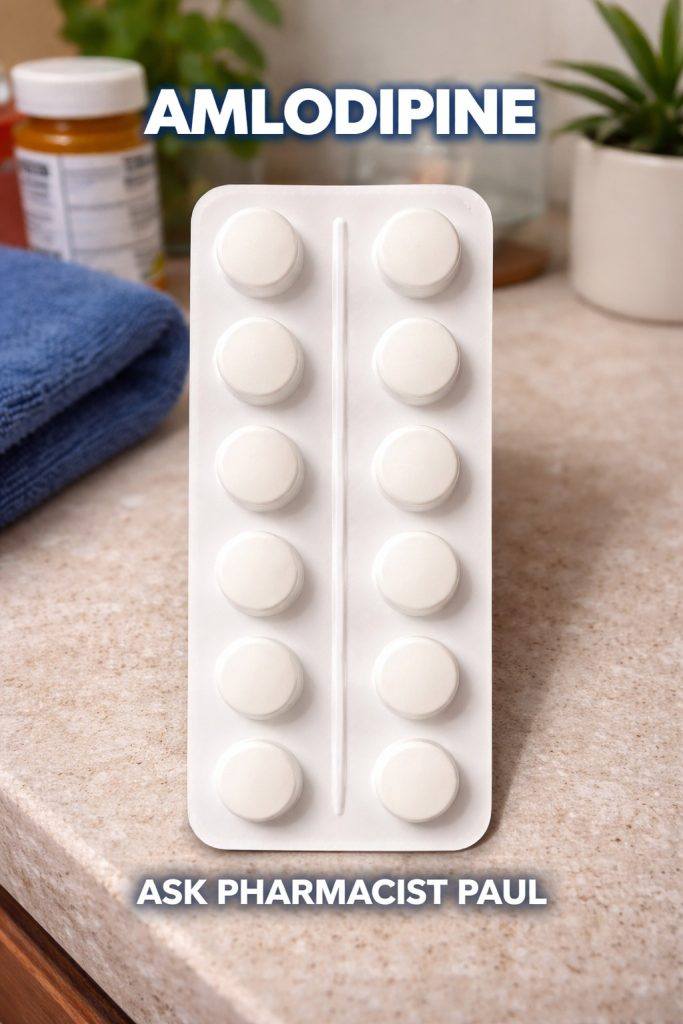
Amlodipine is a calcium channel blocker commonly used for high blood pressure and chest pain (angina). It works best when paired with consistent habits that support stable blood pressure—and it can work less effectively (or side effects may feel worse) when certain lifestyle patterns continue unchecked.
Here are 8 habits worth stopping or reducing if you’re taking amlodipine, and why they matter:
1) High-sodium (salt-heavy) diet
Too much salt makes your body retain water, which raises blood pressure and can counteract the effect of amlodipine. Processed foods, packaged snacks, pickles, and restaurant meals are common hidden sources.
2) Skipping your medication or taking it irregularly
Amlodipine works best when taken consistently at the same time daily. Irregular use can cause unstable blood pressure, increasing risks of dizziness, headaches, or long-term complications.
3) Heavy alcohol consumption
Alcohol can lower blood pressure suddenly in some cases but raise it over time. It may also worsen side effects of amlodipine like dizziness, flushing, and swelling in the ankles.
4) Smoking
Nicotine narrows blood vessels and raises blood pressure, directly opposing what amlodipine is trying to do. It also increases cardiovascular risk even if your blood pressure is controlled.
5) Excessive NSAID use (like ibuprofen or diclofenac)
Frequent use of anti-inflammatory painkillers can reduce the effectiveness of blood pressure medications and may lead to fluid retention or higher BP. Occasional use may be okay, but regular use should be discussed with a doctor.
6) Very sedentary lifestyle
Long periods of inactivity can worsen blood pressure control and heart health. Amlodipine helps relax blood vessels, but it works best when paired with regular movement like walking or light exercise.
7) High caffeine or energy drink intake
Large amounts of caffeine can temporarily raise blood pressure and may counteract medication benefits in some people, especially if consumed frequently or in energy drinks with high stimulant content.
8) Ignoring swelling in ankles or feet
Amlodipine can sometimes cause peripheral edema (fluid buildup). Continuing habits like standing for long hours without movement or ignoring early swelling can make discomfort worse. It’s important to report persistent swelling to a clinician.
A quick important note
Some people are told to be cautious with grapefruit products while on certain blood pressure medicines. With amlodipine, the interaction is generally considered mild, but it’s still best to ask your doctor if you consume it regularly or in large amounts.
If you want, I can also break down:
- foods that help amlodipine work better
- how to reduce its common side effects (like ankle swelling or flushing)
- or a simple daily routine for blood pressure control
Just tell me.
