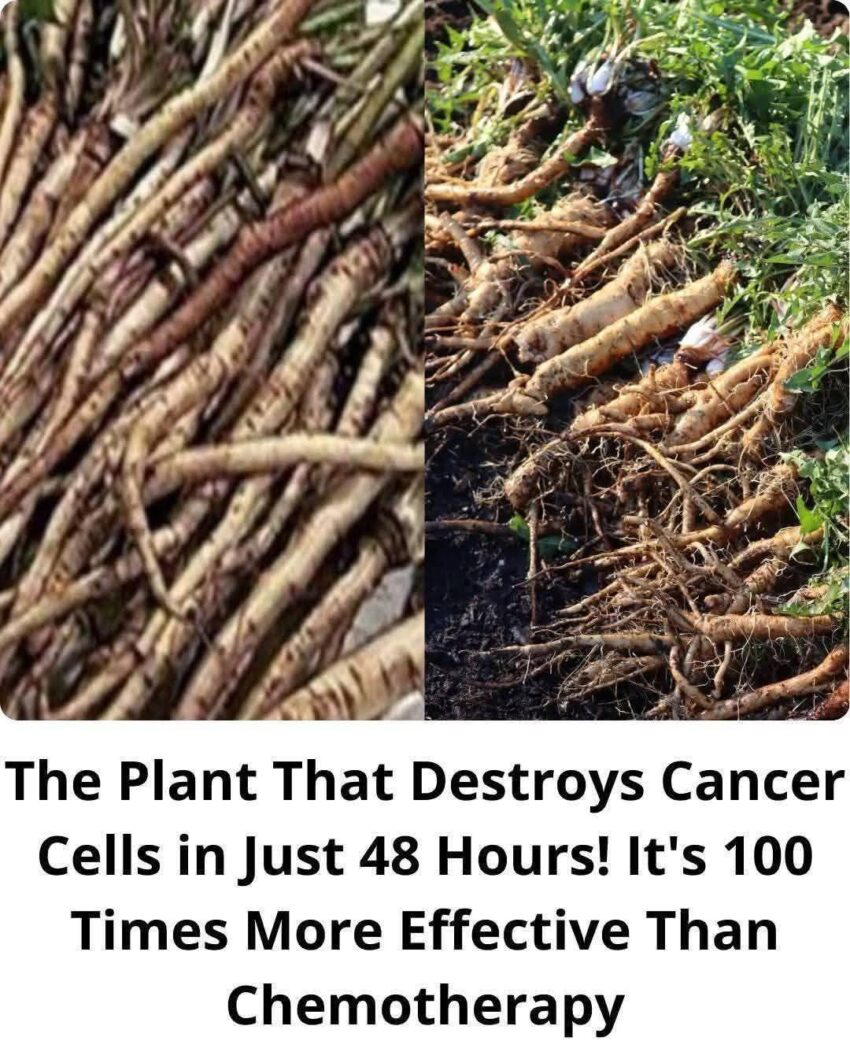
Claims that a single plant can destroy cancer cells in 48 hours and is “100 times more effective than chemotherapy” are extremely misleading and not supported by reliable clinical evidence. ⚠️
Here’s what science actually says:
1. Laboratory Studies vs. Human Trials
- Some plants contain compounds that kill cancer cells in a lab (in vitro).
- Examples include turmeric (curcumin), green tea (EGCG), and bitter melon.
- Important: Effects in a petri dish don’t directly translate to humans. Human metabolism, absorption, and immune response make the results far less dramatic.
2. Chemotherapy vs. Plant Extracts
- Chemotherapy is clinically tested in humans for safety and effectiveness.
- Plant compounds may support health or complement therapy, but no plant has been proven to replace chemo or cure cancer in humans.
- Claims of being “100 times more effective” are marketing exaggerations, not scientific facts.
3. Potential Risks of Relying on “Miracle Plants”
- Skipping or delaying proven treatments can allow cancer to progress.
- Some natural compounds can interfere with medications or cause side effects at high doses.
✅ What You Can Do Safely
- Eat a diet rich in fruits, vegetables, and antioxidant-rich foods to support general health.
- Discuss any supplements with your oncologist or healthcare provider.
- Use complementary therapies only alongside conventional treatment, never as a replacement.
💡 Bottom line:
No plant has been scientifically proven to destroy cancer cells in 48 hours or replace chemotherapy. Be skeptical of extreme claims online — the safest and most effective approach is clinically tested treatment guided by doctors.
If you want, I can provide a list of scientifically supported plants and foods that may help support cancer treatment safely.
Do you want me to make that list?
