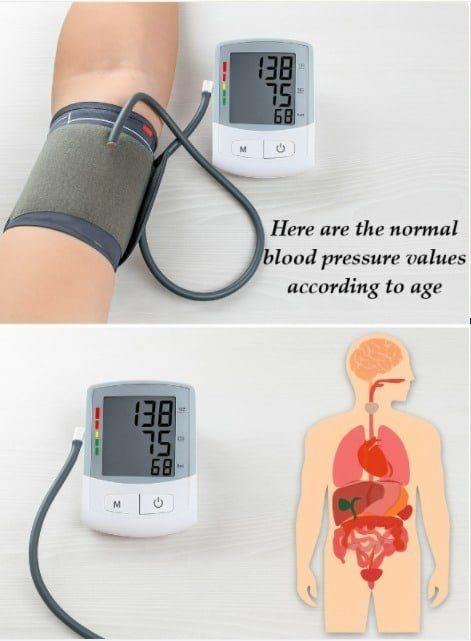
Here’s a clear and concise guide to normal blood pressure values and what the numbers mean. 🩺
Understanding Blood Pressure
Blood pressure (BP) measures the force of blood against artery walls and is written as:
Systolic / Diastolic (mmHg)
- Systolic (top number): Pressure when the heart beats
- Diastolic (bottom number): Pressure when the heart rests between beats
Normal Blood Pressure Ranges (Adults)
| Category | Systolic (mmHg) | Diastolic (mmHg) |
|---|---|---|
| Normal | < 120 | < 80 |
| Elevated | 120–129 | < 80 |
| Hypertension Stage 1 | 130–139 | 80–89 |
| Hypertension Stage 2 | ≥ 140 | ≥ 90 |
| Hypertensive Crisis | > 180 | > 120 (seek immediate medical attention) |
Key Points
- BP can fluctuate during the day depending on activity, stress, and posture.
- Consistently high readings may indicate hypertension, increasing risk of heart attack, stroke, and kidney problems.
- Lifestyle factors like diet, exercise, weight management, and stress reduction help maintain normal BP.
💡 Bottom Line:
A normal blood pressure is less than 120/80 mmHg. Readings above this range should be monitored and managed through lifestyle changes or medical guidance to reduce health risks.
I can also create a daily routine to help maintain normal blood pressure naturally if you want.
