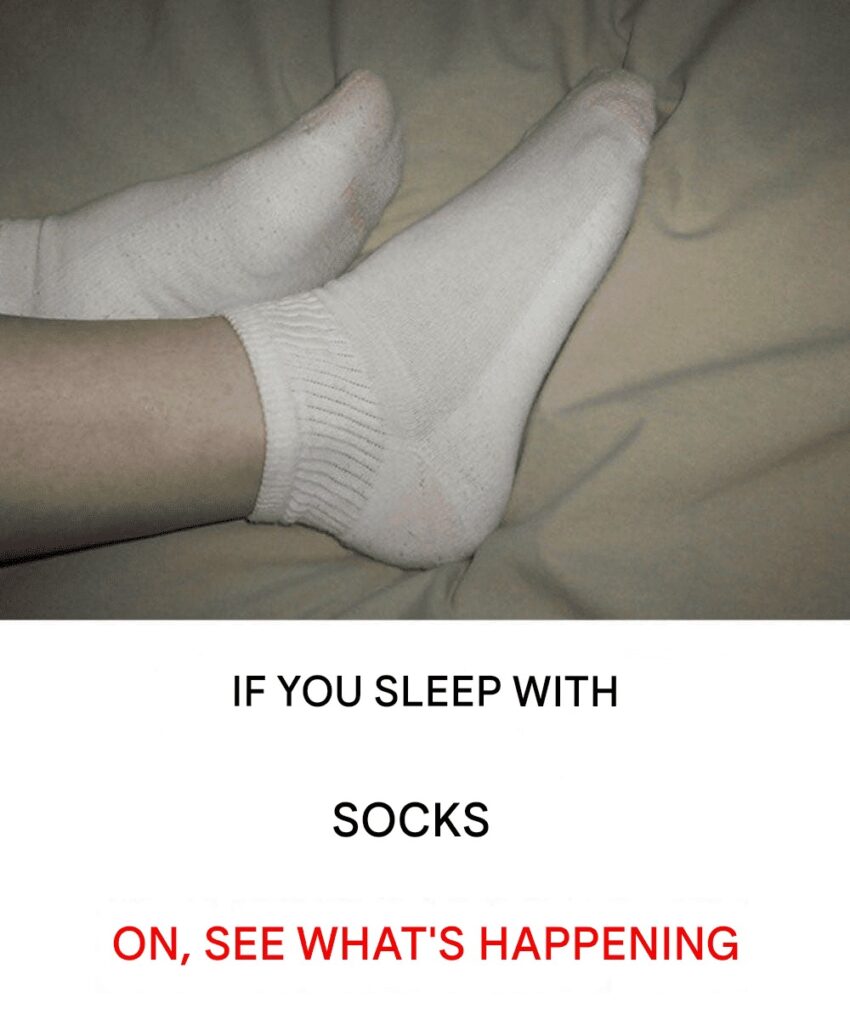
Why Seniors Should Wear Socks Even at Home
Wearing socks at home might seem like a small habit, but for older adults it can provide several important health and safety benefits. As the body ages, the skin, circulation, and balance can change, making proper foot care more important than ever.
1. Helps Keep Feet Warm
As people age, circulation can slow down, which often makes the hands and feet feel colder. Wearing socks helps maintain warmth and comfort, especially during cooler weather or in air-conditioned homes.
2. Supports Healthy Circulation
Warm feet can help promote better blood flow, which is important for overall comfort and mobility. Seniors with circulation concerns, such as Peripheral artery disease, may particularly benefit from keeping their feet warm.
3. Protects Delicate Skin
Aging skin becomes thinner and more sensitive. Walking barefoot can increase the risk of cuts, cracks, or irritation. Socks act as a protective barrier between the skin and the floor.
4. Reduces the Risk of Foot Problems
Foot injuries can become serious if not noticed quickly, especially for seniors with conditions like Diabetes. Socks help protect the feet from minor scrapes or pressure that could lead to complications.
5. Helps Prevent Slipping
Some socks come with non-slip grips, which can reduce the risk of slipping on smooth floors such as tile or wood. This can be especially helpful for seniors who are concerned about falls.
6. Improves Comfort and Relaxation
Soft socks can provide extra cushioning and comfort while walking around the house. Many people also find that wearing socks helps them relax and sleep better at night.
Tips for Choosing the Right Socks
- Choose soft, breathable fabrics like cotton or bamboo.
- Avoid socks that are too tight, as they can restrict circulation.
- Consider non-slip socks for better traction on floors.
💡 Bottom Line:
For seniors, wearing socks at home is a simple habit that can protect the feet, keep them warm, and reduce the risk of injury, helping maintain comfort and independence in daily life.
