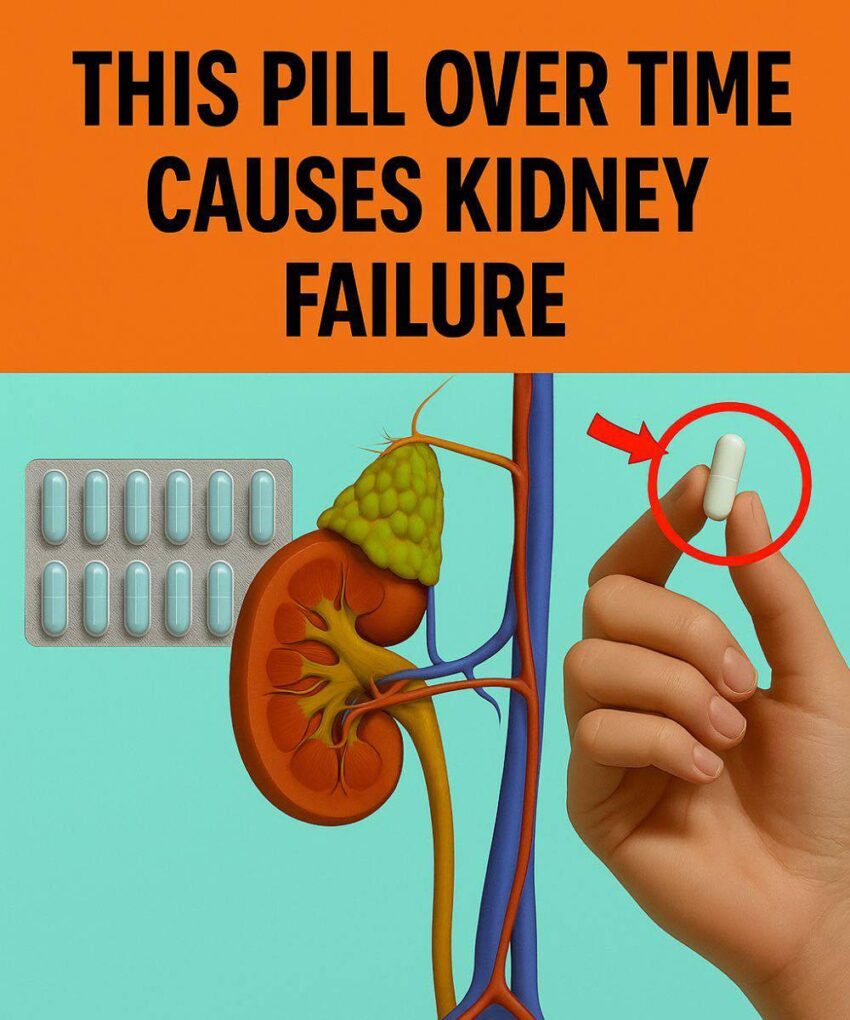
Certain medications and supplements can strain or damage the kidneys if taken frequently, in high doses, or without proper monitoring. The kidneys filter waste and chemicals from the blood, so over time, some substances can reduce kidney function or even cause organ damage.
Here’s a detailed breakdown of what to watch for:
1. NSAIDs (Non-Steroidal Anti-Inflammatory Drugs)
Examples:
- Ibuprofen
- Naproxen
Risks:
- Chronic or high-dose use can reduce blood flow to the kidneys.
- May lead to Chronic Kidney Disease over time.
2. Certain Antibiotics
Examples:
- Gentamicin
- Vancomycin
Risks:
- Can be nephrotoxic (damage kidney tissue).
- Kidney function is usually monitored with blood tests during treatment.
3. Proton Pump Inhibitors (PPIs)
Example:
- Omeprazole
Risks:
- Long-term use may cause acute interstitial nephritis, an inflammatory kidney condition.
4. Blood Pressure Medications (ACE inhibitors / ARBs)
Examples:
- Lisinopril
- Losartan
Risks:
- Can affect kidney function if taken incorrectly, combined with NSAIDs, or in dehydration.
- Regular monitoring of creatinine and electrolytes is recommended.
5. High-Dose Vitamins or Herbal Supplements
- Excessive vitamin C, certain herbal remedies (e.g., aristolochic acid), or large protein/creatine supplements can strain the kidneys.
⚠️ Warning Signs of Kidney Stress
- Swelling in legs, ankles, or face
- Fatigue or unusual weakness
- Nausea or vomiting
- Dark or reduced urine
These symptoms require prompt medical attention.
✅ Safe Practices
- Follow prescribed dosages carefully.
- Avoid combining multiple medications with similar effects without guidance.
- Stay hydrated.
- Schedule routine kidney function tests if on long-term medications.
💡 Pro tip: Even over-the-counter drugs like painkillers or supplements can silently damage kidneys over time, so always check with your doctor before regular use.
If you want, I can make a list of 7 everyday habits that silently damage kidneys—most people don’t realize they’re doing them.
