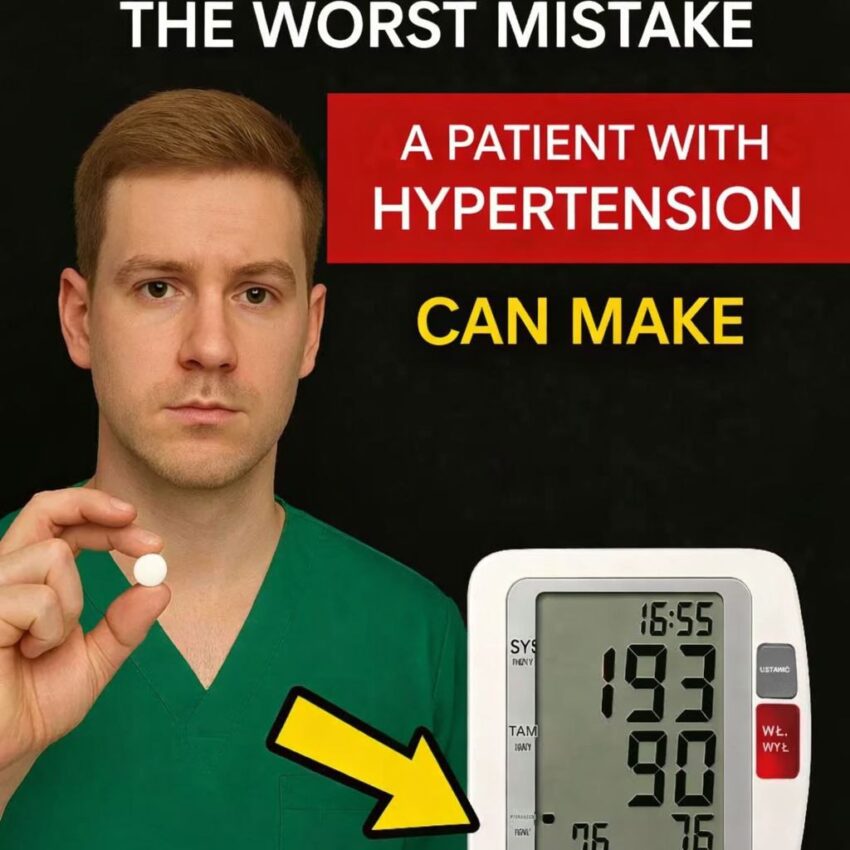
How to Properly Measure Your Blood Pressure at Home — And When to Really Worry
Monitoring blood pressure at home is a great way to keep track of your heart health, but incorrect measurement can lead to inaccurate readings. Here’s how to do it properly and understand when a reading may be a cause for concern.
Step 1: Choose the Right Equipment
- Automatic digital cuff: Easy to use, suitable for most adults.
- Cuff size: Make sure the cuff fits your upper arm properly — too small or too large can give false readings.
Step 2: Prepare Before Measuring
- Sit quietly for 5 minutes before taking your measurement.
- Avoid caffeine, exercise, and smoking for at least 30 minutes prior.
- Empty your bladder — a full bladder can raise readings slightly.
- Sit with back supported, feet flat on the floor, and arm at heart level.
Step 3: Taking the Measurement
- Wrap the cuff around your upper arm, about 1 inch above the elbow.
- Press the start button on an automatic monitor (or inflate manually if using a manual cuff).
- Remain still and silent while the machine measures.
- Record the reading, noting the systolic (top number) and diastolic (bottom number).
- Take two or three readings, 1–2 minutes apart, and calculate the average.
Step 4: Understand Your Numbers
- Normal: Less than 120/80 mmHg
- Elevated: 120–129 / <80 mmHg
- High Blood Pressure Stage 1: 130–139 / 80–89 mmHg
- High Blood Pressure Stage 2: 140 or higher / 90 or higher mmHg
- Hypertensive Crisis: 180+ / 120+ mmHg — seek immediate medical help
When to Worry
- Persistent readings above 130/80 mmHg may require lifestyle changes or medication.
- Sudden spikes (e.g., 180/120 mmHg) accompanied by chest pain, shortness of breath, or severe headache are emergencies — call your doctor immediately.
- Track trends over days and weeks rather than focusing on a single reading.
Extra Tips
- Measure at the same time each day for consistency.
- Keep a log of readings to show your doctor.
- Avoid measuring after stress or physical activity for accurate results.
💡 Bottom Line:
Proper home blood pressure monitoring gives you a clear picture of your heart health and helps catch issues early. Accuracy matters, so follow the correct technique and consult a doctor if numbers are consistently high or show sudden spikes.
