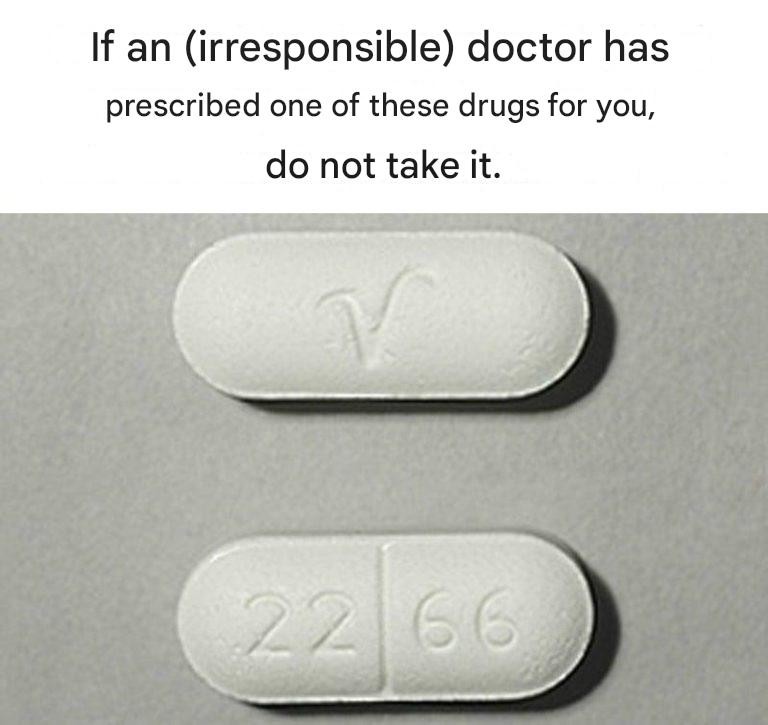
If a doctor prescribes certain medications, it’s important to understand their potential risks and side effects, especially for long-term use. Some drugs can have serious consequences if taken without awareness. Here’s a breakdown:
1. Blood Thinners (Anticoagulants)
- Examples: Warfarin, Apixaban, Rivaroxaban
- Why to read: Prevent blood clots but can cause excessive bleeding. Diet, other medications, and alcohol can affect effectiveness.
2. Opioid Painkillers
- Examples: Oxycodone, Hydrocodone, Morphine
- Why to read: Risk of addiction, overdose, and dangerous interactions with alcohol or sedatives.
3. Certain Antibiotics
- Examples: Ciprofloxacin, Levofloxacin
- Why to read: Can cause tendon rupture, nerve damage, or severe allergic reactions in some people.
4. Steroids
- Examples: Prednisone, Dexamethasone
- Why to read: Long-term use can weaken bones, raise blood sugar, and suppress immunity.
5. Heart Medications
- Examples: Digoxin, Amiodarone
- Why to read: Narrow safety margins—small dosing mistakes or interactions can be dangerous.
💡 Key Advice:
- Always read the medication guide provided with your prescription.
- Ask your doctor or pharmacist about side effects, food interactions, and warning signs.
- Never mix medications without professional guidance, even over-the-counter drugs or supplements.
I can also make a simple checklist of 7 questions to ask your doctor whenever a new medication is prescribed to protect your health.
