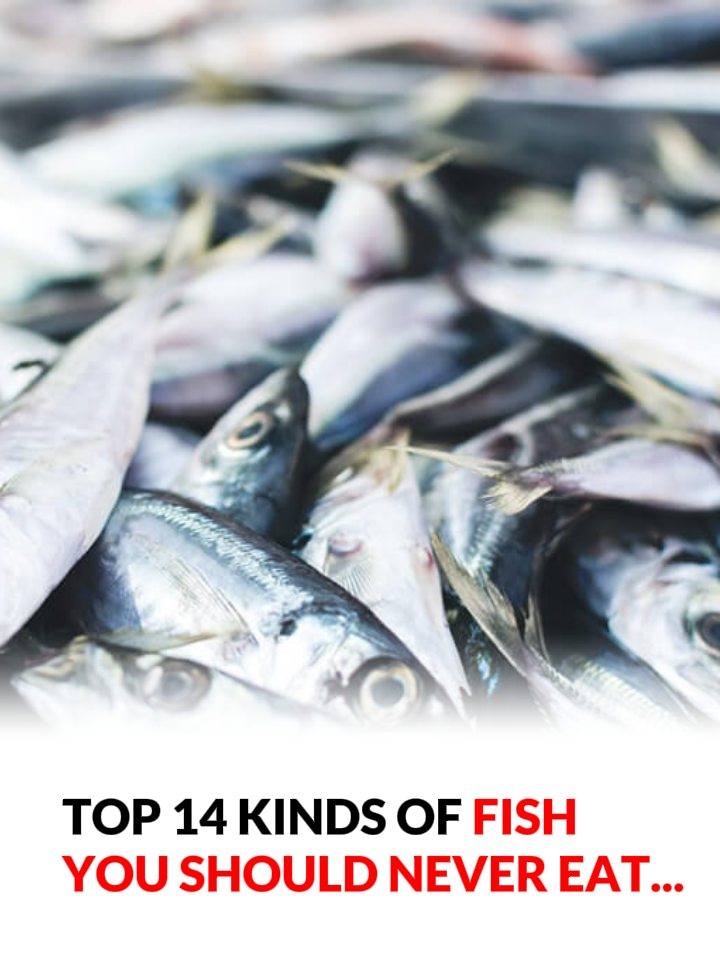
Headlines like “STOP eating this fish immediately” are usually fear-based and misleading. There is no single fish that everyone must avoid completely, but some types can pose risks depending on how often you eat them and your health status.
Here’s the real, science-based explanation:
Fish That Require Caution (Not Total Avoidance)
1. High-Mercury Fish
These fish can accumulate mercury, which in high amounts may affect the nervous system:
- Shark
- Swordfish
- King mackerel
- Tilefish
👉 Mercury exposure is especially important for:
- Pregnant women
- Children
2. Farmed Fish (Some Types)
Some farmed fish may contain:
- Higher fat levels
- Environmental contaminants (depending on farming practices)
This varies widely — not all farmed fish are unsafe.
3. Raw or Undercooked Fish
Can carry:
- Parasites
- Bacteria
This includes sushi if not properly handled.
4. Processed Fish Products
- Fish sticks, fried fish, heavily salted fish
- High in unhealthy fats or sodium
Healthy Fish You SHOULD Eat
Most fish are actually very beneficial, including:
- Salmon
- Sardines
- Mackerel (not king mackerel)
They provide:
- Omega-3 fatty acids
- Protein
- Vitamin D
How Much Fish Is Safe?
- 2–3 servings per week is generally recommended
- Vary the types of fish you eat
Real Risks vs. Myths
- Fish does not suddenly become “toxic” overnight
- Risk depends on:
- Type of fish
- Frequency of consumption
- Individual health
Bottom Line
There is no need to “stop eating fish immediately.”
Instead:
- Limit high-mercury fish
- Choose variety and moderation
- Prefer properly cooked, high-quality sources
Fish remains one of the healthiest foods when consumed wisely.
If you want, I can give you a safe fish list (best and worst options) tailored to your age and health.
