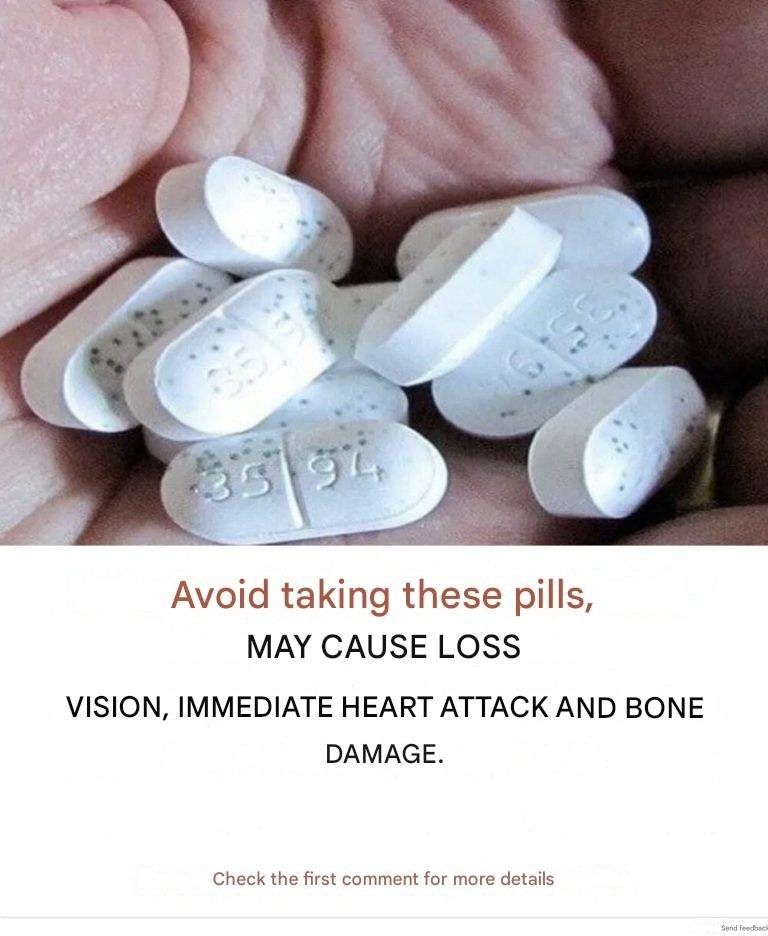
That kind of warning is designed to sound urgent, but it’s incomplete without context. Yes—some tablets can increase the risk of blood clots or heart attacks, but only certain types and usually in specific people.
⚠️ Tablets Commonly Linked to Clot Risk
1. Hormonal Medications
- Birth control pills and hormone replacement therapy (HRT)
- Especially those containing estrogen
- Can slightly raise the risk of:
- Deep vein thrombosis (DVT)
- Stroke or heart attack (rare, but possible)
2. Certain Prescription Drugs
- Some cancer treatments and specialized medications
- A few migraine drugs (like triptans) can affect blood vessels
3. Misuse of Blood Thinners
- Stopping anticoagulants suddenly or taking them incorrectly
- Can actually increase clot risk instead of preventing it
4. Unregulated Supplements
- Some herbal or “natural” pills
- May interfere with clotting or interact with medications
🚨 Who Is at Higher Risk
- History of blood clots, stroke, or heart disease
- Smokers, especially over 35
- People with obesity or low physical activity
- Those with genetic clotting disorders
⚠️ Warning Signs You Should Never Ignore
- Swelling, redness, or pain in the leg
- Sudden chest pain or shortness of breath
- Sudden weakness, confusion, or trouble speaking
👉 These may indicate a serious clot or heart event—seek urgent medical care.
✅ What You Should Do
- Don’t panic or stop medication suddenly
- Always consult a doctor before starting or stopping any tablets
- Read labels and ask about side effects and interactions
🧠 Bottom Line
The warning isn’t entirely false—but it’s overly dramatic. Only certain tablets pose this risk, and usually only for specific people or situations. With proper medical guidance, most medications are safe and beneficial.
If you want, tell me the name of the tablet, and I’ll explain exactly whether it carries this risk or not.
