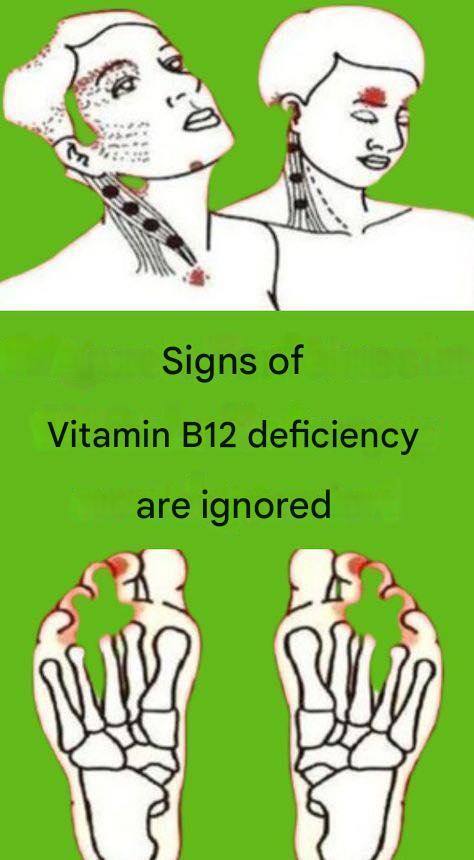
Vitamin B12 deficiency is more common than many people realize, especially in older adults, vegetarians, or those with certain digestive issues. The problem is that early signs are subtle and often mistaken for fatigue or aging, which is why it frequently goes ignored.
Here’s a detailed breakdown:
⚠️ Common Signs of Vitamin B12 Deficiency
1. Fatigue or Weakness
- Feeling unusually tired even after enough rest
- Can result from reduced red blood cell production
2. Tingling or Numbness in Hands and Feet
- Called paresthesia
- Indicates nerve involvement, often overlooked
3. Pale or Jaundiced Skin
- Lack of red blood cells can make skin pale
- Sometimes accompanied by a slight yellow tint
4. Shortness of Breath or Dizziness
- Occurs because oxygen transport is reduced due to anemia
5. Memory Problems or Brain Fog
- Confusion, forgetfulness, or difficulty concentrating
- Can mimic early signs of dementia in older adults
6. Mood Changes
- Irritability, depression, or anxiety
- Linked to B12’s role in neurotransmitter production
7. Glossy or Swollen Tongue (Glossitis)
- Tongue may appear smooth, red, or inflamed
- Sometimes accompanied by mouth ulcers
8. Digestive Issues
- Nausea, constipation, diarrhea, or loss of appetite
9. Vision Changes
- Damage to the optic nerve can cause blurred or disturbed vision
10. Balance Problems
- Nerve damage may lead to difficulty walking or maintaining balance
🔬 Who’s Most at Risk?
- People over 50
- Vegetarians or vegans
- Those with gastric bypass surgery or digestive disorders (like celiac or Crohn’s)
- Long-term users of acid-reducing medications
✅ Prevention and Treatment
- Diet: Red meat, eggs, dairy, fortified cereals
- Supplements: Oral B12 tablets or sublingual drops
- Medical supervision: Your doctor can check levels with a simple blood test
💡 Bottom Line:
Vitamin B12 deficiency often sneaks in silently. Ignoring early signs can lead to permanent nerve damage or cognitive issues, so early detection and supplementation are key.
If you want, I can make a quick checklist of “silent B12 deficiency warning signs” that you can monitor daily. It’s super practical for anyone over 50.
