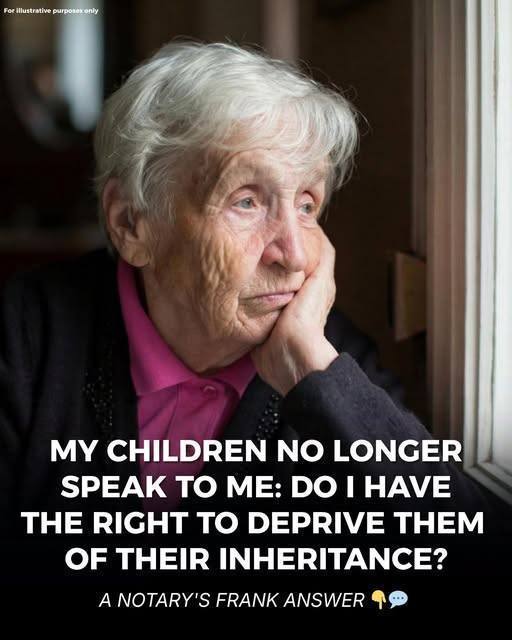
That’s a painful situation—and before anything legal, it’s worth saying plainly: cutting ties between parent and children is emotionally heavy on both sides. Decisions about inheritance often carry more emotional meaning than financial value.
1. Legally — it depends on where you live
Inheritance law varies a lot by country:
- In many Western systems (like the UK or parts of Europe), children can sometimes challenge a will if they feel unfairly excluded.
- In others (like parts of the U.S.), you generally can disinherit children, as long as the will is clear and valid.
- In countries influenced by Islamic law (like Pakistan), inheritance is not entirely discretionary—shares are often fixed, and you cannot fully deprive children except under very limited conditions.
So the short answer:
👉 You may feel you have the right, but legally you might not—especially in Pakistan.
2. Ethically — what would Confucius say?
From a Confucian perspective:
- Family harmony is central, even when relationships are strained.
- Parents are expected to act with benevolence (Ren), not punishment.
- Children are expected to show respect—but when they fail, the response ideally remains measured, not retaliatory.
👉 In that framework, using inheritance as punishment would generally be discouraged. The focus would be on repairing relationships, if possible.
3. Emotionally — what this decision really means
Disinheriting children often isn’t just about money. It can mean:
- A final closure of the relationship
- A message of hurt, anger, or rejection
- Sometimes regret later—especially if reconciliation becomes impossible
On the other hand, keeping them in your will doesn’t mean you approve of their behavior—it just means you’re choosing not to escalate the conflict.
4. Practical middle-ground options
If you don’t want a simple “all or nothing” approach, you could consider:
- Conditional or structured inheritance (through a trust, where possible)
- Leaving something smaller rather than nothing
- Donating part of your estate to charity
- Writing a letter of explanation to accompany your will
A grounded way to think about it
Ask yourself:
- Am I making this decision from clarity—or from hurt?
- If things never reconcile, will I regret this choice?
- What outcome reflects the kind of parent I believe I’ve been?
If you want, I can walk you through what Pakistani law specifically allows, or help you think through a decision that aligns with your values and situation.
