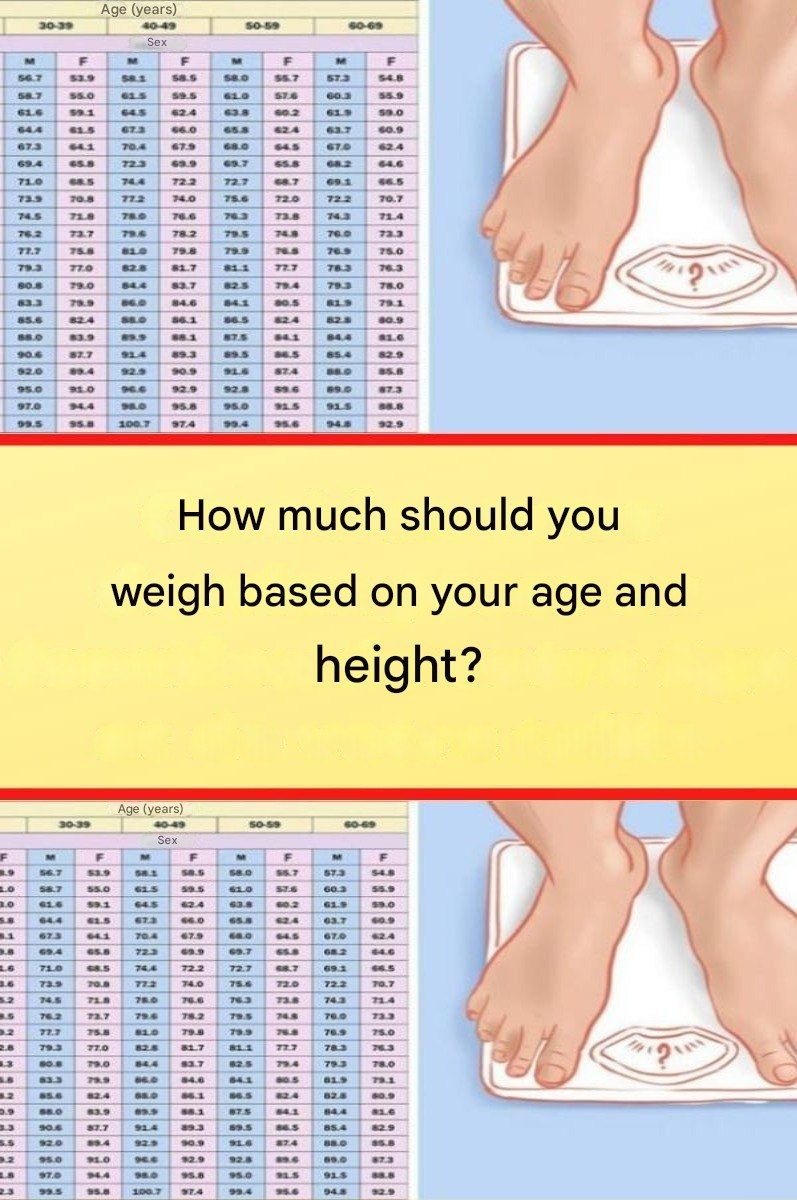
Exactly! BMI (Body Mass Index) is a useful starting point to estimate a healthy weight range, but it’s important to consider the full context—height, age, sex, muscle mass, and body type all play a role. Let’s break it down in detail:
1. How BMI Works
BMI = weight (kg) ÷ [height (m)]²
Example:
- Height: 1.7 m (5’7″)
- Weight: 68 kg (150 lbs)
- BMI = 68 ÷ (1.7 × 1.7) ≈ 23.5
2. BMI Categories (Adults)
| BMI | Category |
|---|---|
| <18.5 | Underweight |
| 18.5–24.9 | Healthy weight |
| 25–29.9 | Overweight |
| ≥30 | Obese |
These ranges are general estimates; individual factors can shift what is “healthy.”
3. Factors That Affect Your Ideal Weight
- Muscle Mass – Highly muscular individuals may have higher BMI but low body fat.
- Age – Older adults naturally lose muscle and gain fat; BMI may not fully reflect health.
- Sex – Women generally have higher body fat percentages than men at the same BMI.
- Body Type (Frame Size) – Broad or narrow frames affect how weight is distributed and perceived.
4. Beyond BMI
- Body Fat Percentage – Gives a clearer picture of fitness and health than BMI alone.
- Waist Circumference / Waist-to-Hip Ratio – Indicates abdominal fat and risk for metabolic disease.
- Overall Lifestyle – Diet, activity level, and cardiovascular fitness matter more than the exact number on the scale.
💡 Key Takeaway:
The “ideal” weight is really a range, not a single number. BMI is a helpful tool, but combining it with body composition and lifestyle measures gives the most accurate picture of health.
I can also make a personalized guide to calculate your ideal weight range, factoring in height, age, sex, and body type, not just BMI.
Do you want me to create that?
