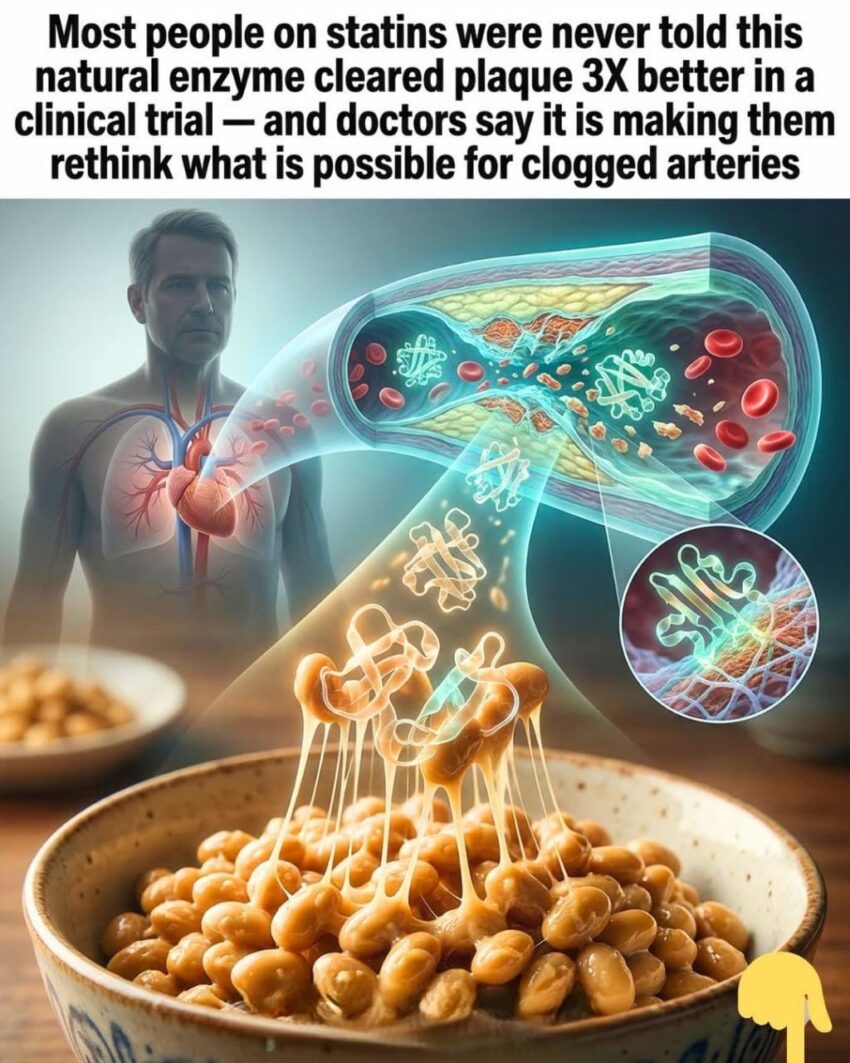
That statement is partly true but a bit misleading. Cholesterol medications—like statins—do more than just “slow plaque buildup”; in some cases, they can stabilize or even slightly reduce existing plaque, which can significantly lower the risk of heart attacks and strokes.
💊 What Cholesterol Medications Actually Do
- Lower LDL (“bad”) cholesterol
- Reduces the raw material for plaque formation in arteries.
- Stabilize plaque
- Makes existing plaques less likely to rupture, which is what triggers heart attacks.
- Slightly shrink plaque in some cases
- Intensive statin therapy can modestly reverse plaque deposits over time.
- Reduce inflammation in arteries
- This also lowers cardiovascular risk beyond just cholesterol levels.
⚠️ Important Reality
- “Slowing buildup” is the baseline expectation, but benefits go beyond that
- Lifestyle changes—diet, exercise, quitting smoking—enhance the effects of medication
- Regular monitoring is key: doctors often track LDL levels, artery health, and inflammation markers
✅ Bottom line
Cholesterol medication is not just about “slowing progression.” With proper use and lifestyle support, it can stabilize plaques, reduce heart attack risk, and even slightly reverse damage.
If you want, I can outline specific foods and habits that maximize the plaque-stabilizing effects of statins, which many people overlook.
