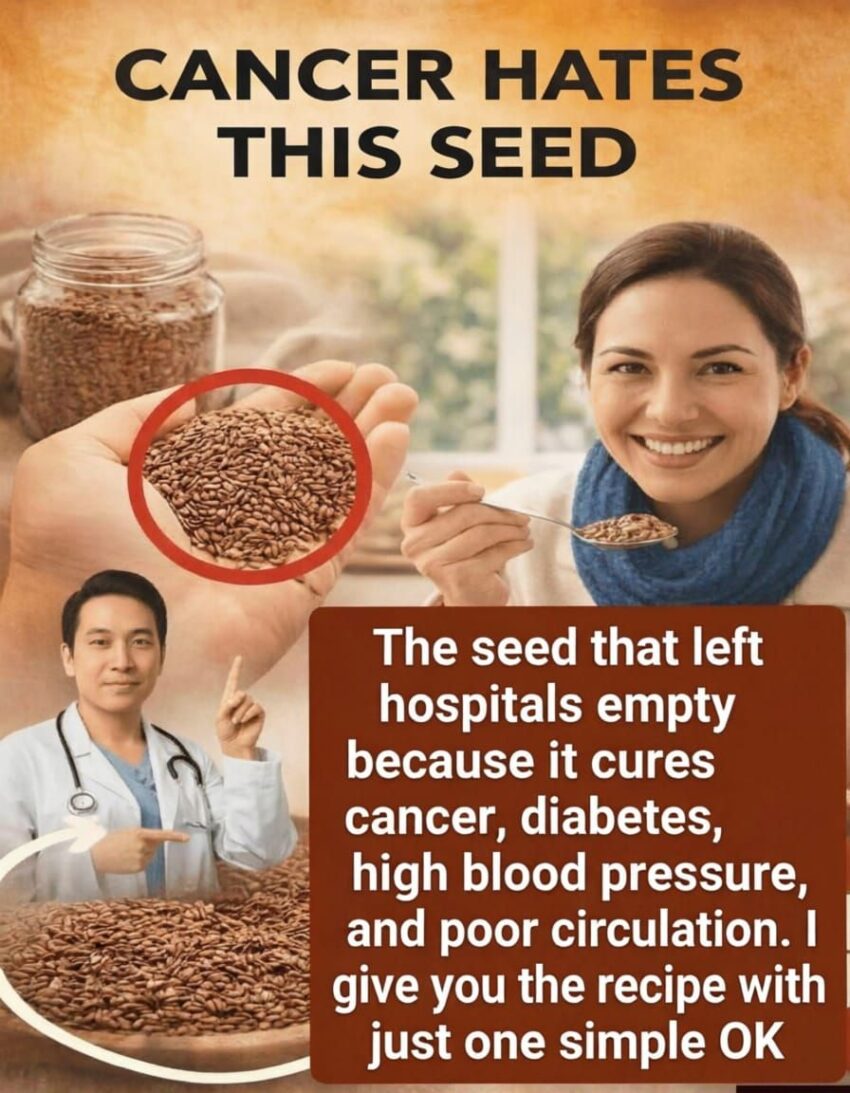
Claims like “Cancer is afraid of these seeds” are heavily exaggerated marketing statements. There is no food, seed, or supplement that can cure or make cancer “afraid.” Cancer is a complex disease, and no single food can treat it on its own.
That said, some seeds contain nutrients and compounds that support overall health and may help reduce cancer risk as part of a balanced diet. Here’s a careful, evidence-based breakdown:
1. Flaxseeds
- Rich in omega-3 fatty acids and lignans (plant compounds).
- Studies suggest lignans may help regulate hormones and reduce the risk of hormone-sensitive cancers like breast cancer.
- Best consumed ground for better nutrient absorption.
2. Chia Seeds
- High in fiber and antioxidants.
- Fiber helps maintain healthy digestion and may reduce colorectal cancer risk.
- Can be added to smoothies, oatmeal, or yogurt.
3. Pumpkin Seeds
- Contain zinc, magnesium, and phytosterols.
- Antioxidants may help protect cells from DNA damage.
- A healthy snack option, especially roasted without excess salt.
4. Sunflower Seeds
- Rich in vitamin E and selenium.
- Vitamin E is an antioxidant that may protect cells from oxidative stress.
- Eat unsalted for a heart-healthy, anti-inflammatory snack.
5. Sesame Seeds
- High in lignans and antioxidants.
- May support cardiovascular health and reduce chronic inflammation, a factor in cancer risk.
- Sprinkle on salads, bread, or stir-fries.
6. Hemp Seeds
- Rich in omega-3 and omega-6 fatty acids and protein.
- Anti-inflammatory properties may support overall cellular health.
- Can be added to cereals, smoothies, or baked goods.
⚠️ Important Notes
- Seeds do not cure cancer: They are supportive foods that may reduce risk or help your body stay healthy.
- Balanced lifestyle matters: Regular exercise, not smoking, moderate alcohol, and a diet rich in vegetables, fruits, and whole grains are proven to lower cancer risk.
- Always follow your doctor’s guidance if you have or are at risk of cancer.
If you want, I can make a practical “cancer-supporting seed routine”—showing how to include these seeds in your daily diet safely and effectively. It’s much more realistic than “magic seeds.” Do you want me to do that?
