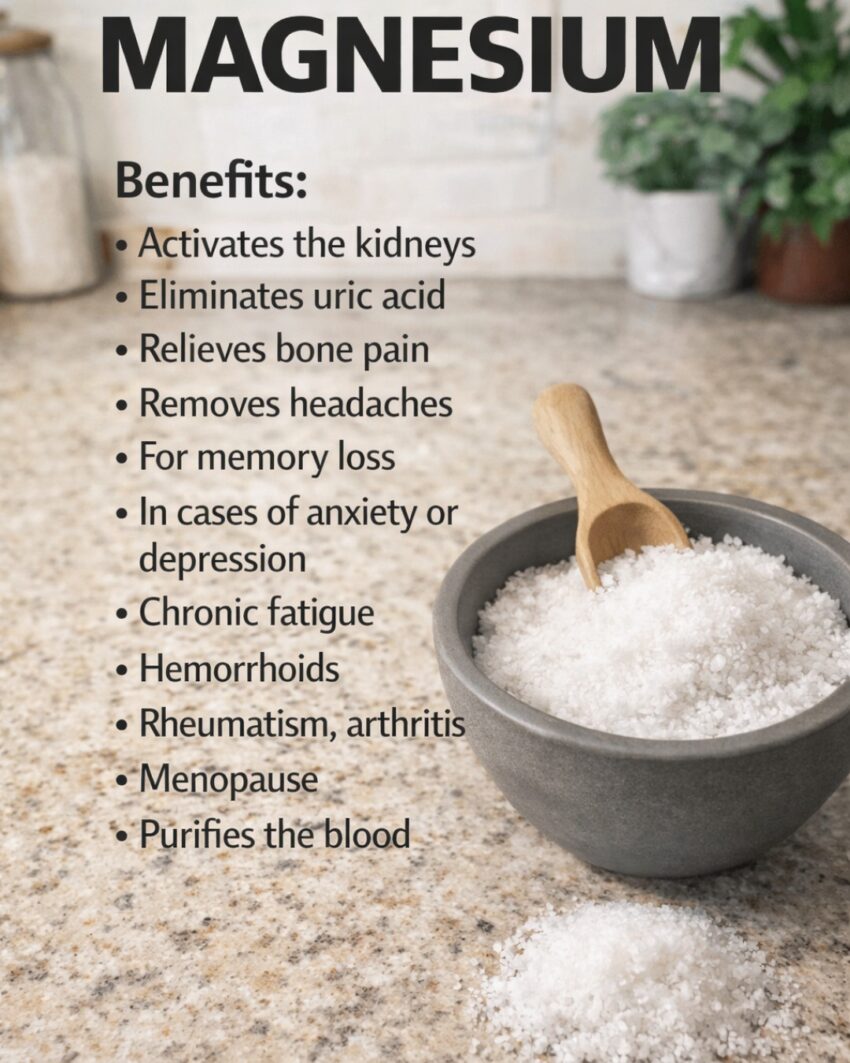
Ah, the “miraculous magnesium” hype! Magnesium really is important, but it’s often oversold in clickbait headlines. Let’s break down what magnesium does, why it matters, and how to get it safely.
🌟 Magnesium: What It Really Does
Magnesium is a vital mineral involved in over 300 biochemical reactions in the body.
Key Benefits:
- Supports Muscle & Nerve Function
- Prevents cramps, spasms, and promotes healthy nerve signaling.
- Bone Health
- Works with calcium and vitamin D to strengthen bones.
- Heart Health
- Helps maintain normal heart rhythm and supports blood pressure regulation.
- Energy Production
- Converts food into energy—fatigue can sometimes be linked to low magnesium.
- Mood & Sleep
- May improve relaxation and sleep quality, potentially easing mild anxiety.
⚠️ Common Magnesium Deficiency Signs
- Muscle cramps or twitches
- Fatigue or low energy
- Poor sleep quality
- Mood swings or irritability
- Tingling or numbness in hands/feet
✅ Safe Ways to Boost Magnesium
- Foods rich in magnesium: almonds, spinach, pumpkin seeds, black beans, avocado
- Supplements: Magnesium citrate or glycinate are well-absorbed forms
- Topical magnesium: Oils or baths can help with muscle relaxation
⚠️ Watch Out
- Too much magnesium from supplements can cause diarrhea, nausea, or abdominal cramping
- People with kidney problems should consult a doctor before taking magnesium supplements
Bottom line: Magnesium is essential for muscle, nerve, heart, bone, and sleep health, but it’s not a miracle cure. Balanced diet plus safe supplementation is the best approach.
I can also make a “Daily Magnesium Boost Plan” showing foods and supplements to naturally meet your needs without side effects.
Do you want me to do that?
